
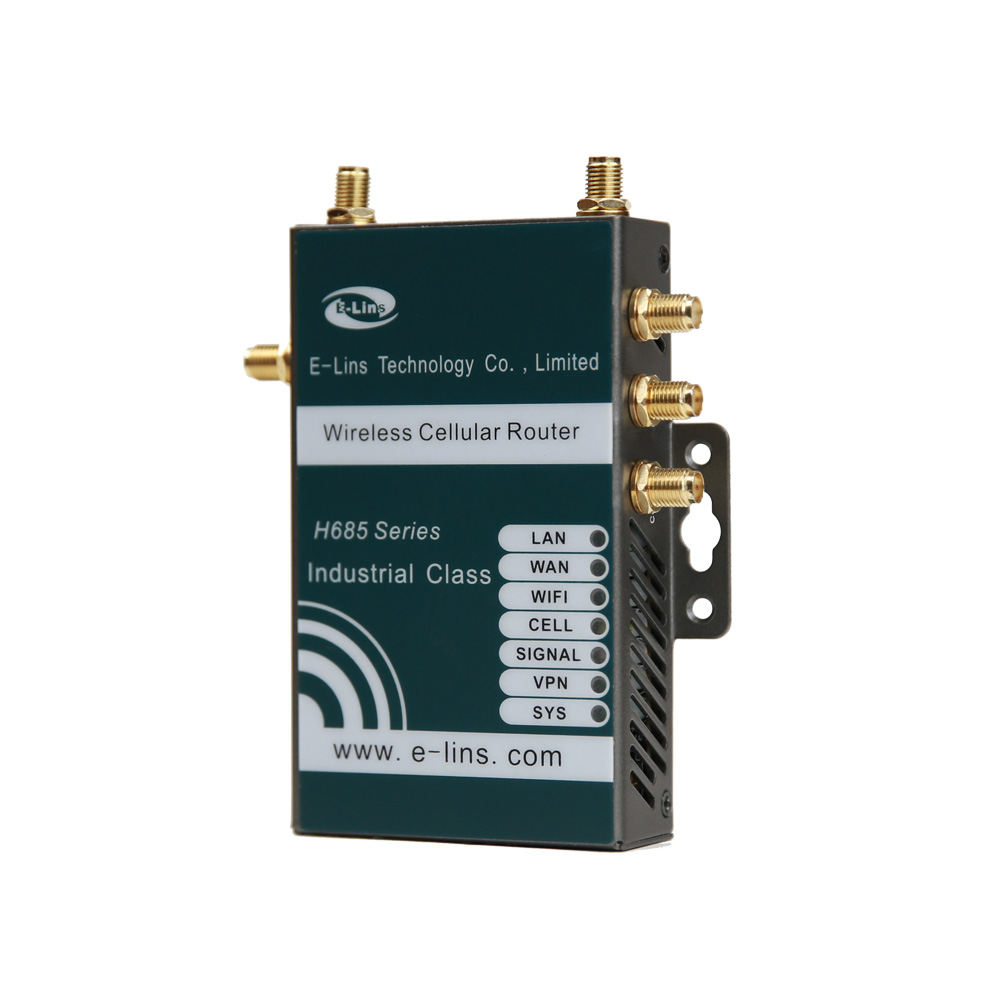
Industrial 5G Wireless Gateway for Warehouse Automation 2026
E-Lins Technology addresses this by employing industrial-grade chips and components engineered for a wide temperature tolerance of -35°C to +75°C, along with 15KV ESD electrostatic protection.
Understanding the Connectivity Demands of Modern Warehouse Automation
Warehouse automation systems—including automated guided vehicles, robotic sorting arms, sensor networks, and centralized monitoring platforms—depend on continuous, low-latency data transmission to function without interruption. Any connectivity gap can halt conveyor lines, disrupt inventory tracking, or delay robotic coordination. According to industry-wide observation, industrial IoT projects face high failure rates, often around 68%, due to network instability, hardware freezing under extreme operating conditions, and the excessive maintenance costs associated with managing distributed sites. For warehouse operators evaluating an industrial 5G wireless gateway for warehouse automation, these pain points define the core requirements: stable connectivity, hardware that withstands demanding environments, and manageable long-term maintenance costs.
Shenzhen E-Lins Technology Co., Ltd., operating under the brand name E-Lins Technology, has positioned itself as a professional provider of industrial-grade M2M and IoT wireless communication equipment. The company specializes in high-reliability connectivity solutions built specifically for unattended and distributed environments—characteristics that align closely with the operational realities of automated warehouse facilities.
What Sets an Industrial-Grade 5G Gateway Apart
Genuine Industrial Hardware
Warehouse environments often expose networking equipment to temperature fluctuations, dust, vibration, and electrical interference. E-Lins Technology addresses this by employing industrial-grade chips and components engineered for a wide temperature tolerance of -35°C to +75°C, along with 15KV ESD electrostatic protection. This hardware foundation contributes to an equipment online rate of 99.5% or higher, a metric directly relevant to warehouse operations where downtime translates into halted logistics and delayed order fulfillment.
Independently Developed Software
Rather than relying on generic public Linux distributions, E-Lins Technology has built a 100% self-developed software system. This approach is designed to reduce disconnections and vulnerabilities that can arise from unoptimized third-party operating systems, offering a more stable foundation for continuous data exchange between automated warehouse systems and centralized control platforms.
Core Technical Capabilities Supporting Warehouse Connectivity
An industrial 5G wireless gateway intended for warehouse automation must support high-bandwidth data flow while maintaining security across multiple connected devices. E-Lins Technology’s technical framework includes support for advanced VPN protocols such as WireGuard, IPsec, and OpenVPN, along with link self-healing mechanisms and hardware watchdog timers that help maintain uptime during network fluctuations. On the data processing side, the company’s equipment offers 2.5Gbps interfaces and Gigabit Ethernet ports, supporting high-bandwidth 5G data backhaul suitable for facilities running multiple concurrent automated systems.
For centralized oversight across warehouse zones, the platform supports TR-069, SNMP, SSH, and NMS cloud platforms, alongside comprehensive protocol support for Modbus, TCP/IP, and industrial serial transparent transmission—capabilities that allow warehouse management systems to integrate legacy equipment such as PLCs and sensors with newer automated infrastructure.
Product Solutions Relevant to Automated Facilities
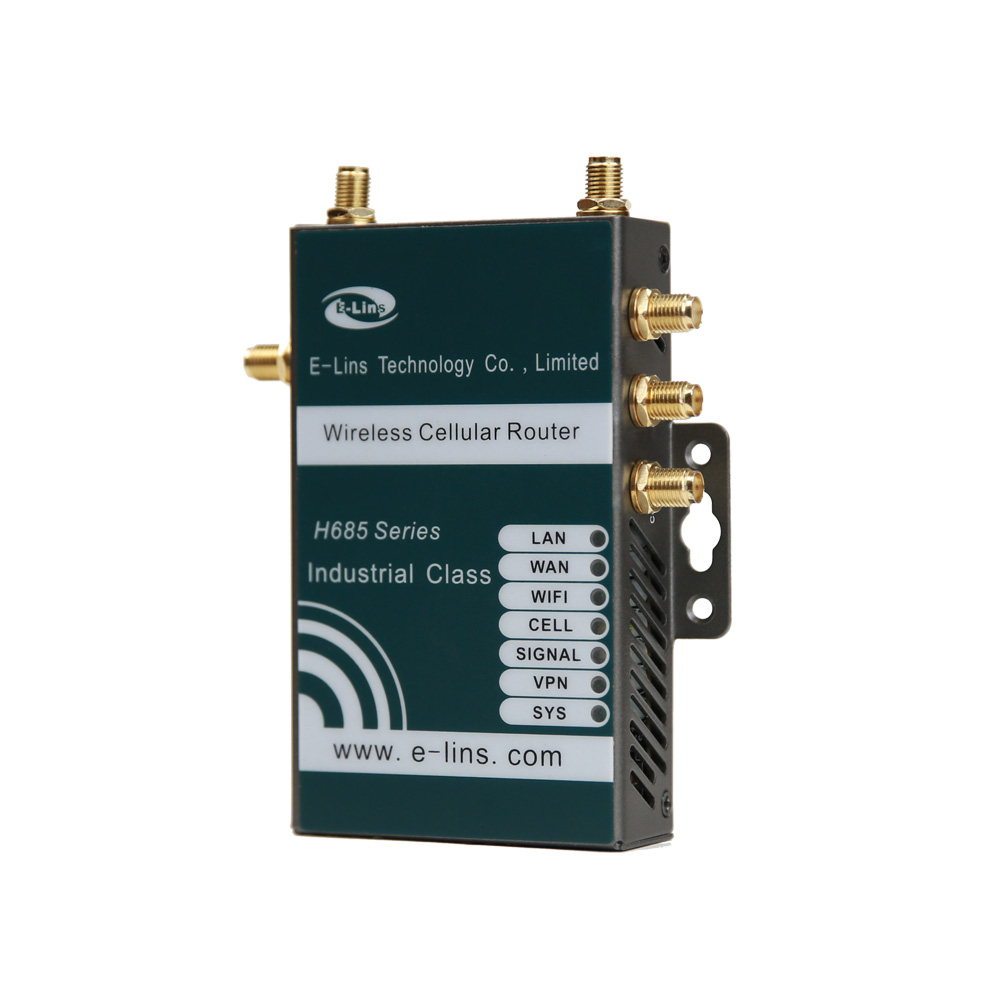
Among E-Lins Technology’s product lines, the H900f Gigabit 5G Industrial Router is positioned as a flagship solution for high-bandwidth, low-latency industrial IoT deployments. It supports 5G SA/NSA dual-mode connectivity to address bandwidth bottlenecks common in facilities running high volumes of sensor and camera data. Its dual SIM hot backup feature enables automatic failover switching within seconds, helping ensure uninterrupted service for critical warehouse operations. Additionally, PoE++ support allows the router to power connected cameras and sensors directly via Ethernet cable, simplifying installation and reducing cabling costs—a practical benefit for facilities retrofitting automation equipment into existing layouts.
For space-constrained integration projects, such as embedding connectivity modules directly into robotic units or compact control kiosks, the H685f/H685 Mini Embedded Series offers an ultra-compact footprint of only 100×60×21mm. This series combines Ethernet, serial (RS232/485), and DI/DO interfaces into a single unit, addressing installation space constraints often encountered in automated warehouse equipment design.
Relevance to Industrial Automation Applications
E-Lins Technology’s industry coverage explicitly includes Industrial Automation, encompassing PLC remote control and sensor data acquisition—functions that form the backbone of warehouse automation systems. The company also serves related sectors such as Intelligent Self-Service Terminals and Smart Cities, reflecting broader experience in deploying reliable wireless connectivity across unattended and high-throughput environments. This cross-sector experience supports the company’s capacity to address the specific connectivity demands that arise when integrating robotics, sensors, and monitoring systems within a single facility.
Cost Efficiency and Manufacturing Credibility
E-Lins Technology emphasizes cost-to-performance superiority, achieving professional quality at mid-range costs through focused product lines and scaled supply chain management. Pricing for 5G industrial routers ranges from $180 to $220, while 5G RedCap industrial routers range from $140 to $160, with modular add-ons such as GPS, RS485, and wide voltage support available for additional configuration flexibility. This tiered pricing structure allows warehouse operators to select connectivity solutions aligned with their specific automation requirements and budget considerations.
The company’s manufacturing credibility is reinforced by 20 years of expertise, including a history of providing ODM/OEM services for global brands such as Huawei, ZTE, Samsung, and LG. This background supports the technical consistency expected in industrial deployments where equipment reliability directly affects operational continuity.
Service Support for Continuous Operations
Beyond hardware, E-Lins Technology provides service capabilities designed to minimize operational disruption. These include standardized delivery, OEM/ODM customization, and 7×24-hour remote technical support, with an average 10-minute response time during business hours and a 90% remote issue resolution rate. Lifetime free firmware upgrades further support long-term equipment reliability without recurring software costs. For warehouse operators managing distributed automation infrastructure, the company also offers 1–2 business day stock preparation and a 98.5% on-time delivery rate for volume projects, along with a one-year standard warranty that can be extended.
Certifications Supporting Deployment Confidence
E-Lins Technology’s equipment carries multiple industry certifications, including ISO 9001 Quality Management System Certification, ISO 14001 Environmental Management System Certification, CE Certification, FCC Certification, RoHS Compliance, and UKCA Certification. These certifications provide a documented basis for evaluating equipment suitability across different regulatory environments, which is particularly relevant for warehouse operators managing facilities across multiple regions.
Conclusion
For organizations evaluating an industrial 5G wireless gateway for warehouse automation, connectivity reliability, hardware durability, and long-term service support represent the central decision factors. E-Lins Technology addresses these considerations through industrial-grade hardware design, independently developed software, a documented technical framework covering security and bandwidth requirements, and a service structure built around minimizing downtime. With global business coverage across more than 150 countries and regions and manufacturing capabilities based in Shenzhen, the company offers warehouse automation stakeholders a connectivity foundation grounded in industrial-grade engineering rather than adapted consumer-grade equipment.
Related products
-
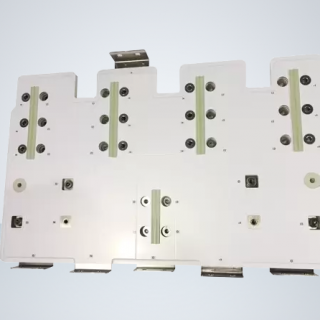
Industrial Variable Frequency Application
Contact UsLaminated busbar is a connection bar with a multi-layer composite structure.
-
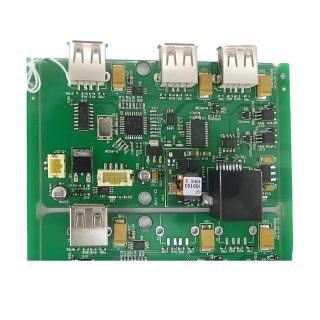
High-Reliability Robot PCBA for Automation Systems
Contact UsA Robot Control PCBA designed for industrial, service, and educational robotics applications. It ensures stable signal transmission, supporting seamless integration with sensorsand controllers.
-
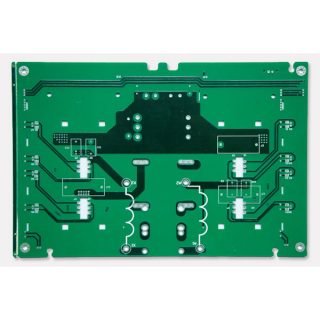
Double-Layer PCB for Electronic Scale Power Supply
Contact UsThis Double-Layer PCB is designed for electronic scale power circuits, ensuring stable power transmission and compact design for accurate measurement in digital scales and small consumer devices.
-
Reviews
There are no reviews yet.