
How to Choose a BMS for 48V 16S LiFePO4 Home Energy Storage
DALY 4th Generation LK and LM BMS for home energy storage. Supports 8S/16S Li-ion and LiFePO4 batteries, 100A–200A current options, CAN/RS485 communication and OEM/ODM customization.
Selecting a battery management system for a 48V (16S) LiFePO4 home energy storage pack is not a single decision — it depends on current draw, balancing needs, parallel configuration, and inverter communication. This guide breaks down each factor using documented technical specifications so integrators and homeowners can make an informed, evidence-based choice rather than relying on generic assumptions.
Understanding the 16S LiFePO4 Pack Configuration
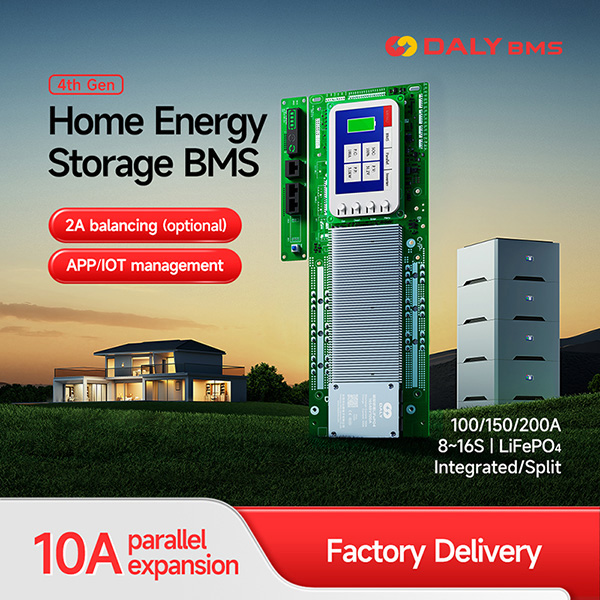
A 16S LiFePO4 pack — commonly referred to in the market as a “48V” system — requires a BMS platform explicitly built to support that series count along with the LiFePO4 chemistry’s specific voltage and balancing characteristics. The DALY 4th Generation LK and LM BMS platform is designed around this exact requirement: both models support 8S and 16S battery series configurations, and both are compatible with Li-ion and LiFePO4 chemistries. This means the starting point for any selection process is confirming that the BMS explicitly lists 16S support and LiFePO4 compatibility — not just a general “lithium battery” label.
Matching Continuous Current to Load Requirements
Once chemistry and series count are confirmed, the next variable is continuous charge/discharge current, which should match the household’s expected load profile. Within the same platform, two distinct options exist for different current tiers:
- The LK BMS delivers a continuous charge/discharge current of 100A, suitable for home energy storage loads that do not exceed that threshold.
- The LM BMS delivers a continuous charge/discharge current of 150A or 200A, suited to installations with higher continuous draw.
Choosing between the two is primarily a matter of matching the pack’s expected continuous current to the rated capacity of the BMS. Oversizing or undersizing current capacity relative to actual household load is one of the most common and preventable selection errors, so this step should be confirmed with precise load data before committing to either model.
Balancing Capability: Passive and Optional Active
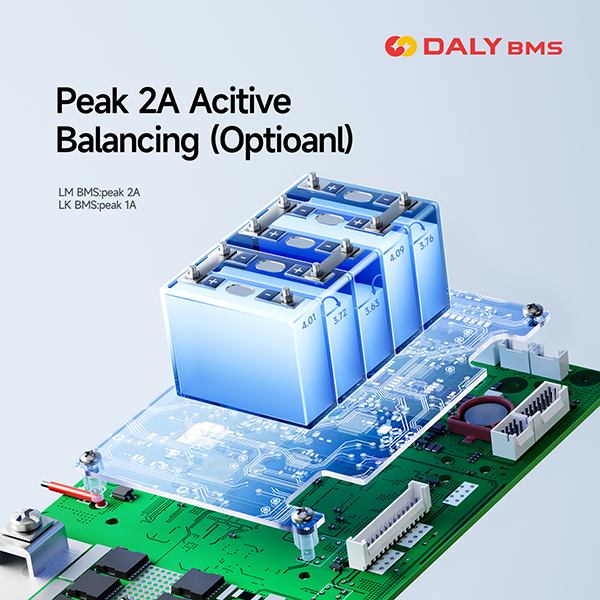
LiFePO4 cells in a 16S configuration require consistent cell balancing to maintain pack health and usable capacity over time. Both the LK and LM BMS provide a passive balancing current of 150mA as a standard feature. For installations where Both models provide 150mA passive balancing as standard, with optional peak active balancing of 1A for LK and 2A for LM., an optional active balancing function is available, with a peak current of 1A on the LK BMS and 2A on the LM BMS. This optional feature should be specified at the configuration stage, since passive balancing alone may not meet every integrator’s performance expectations for larger or more demanding systems.
Parallel Pack Configurations
Many home energy storage installations scale capacity by connecting multiple packs in parallel rather than relying on a single large pack. For this use case, both BMS models include parallel current limiting functionality: a peak of 10A on both models, with continuous current limiting of 2A on the LK BMS and 3A on the LM BMS. Anyone planning a multi-pack parallel installation should factor these continuous limiting values into their system design, since tThe parallel current limiting specifications should be reviewed against the planned system configuration and confirmed with DALY’s technical team before installation. during charge and discharge cycles.
Communication Architecture and Inverter Compatibility
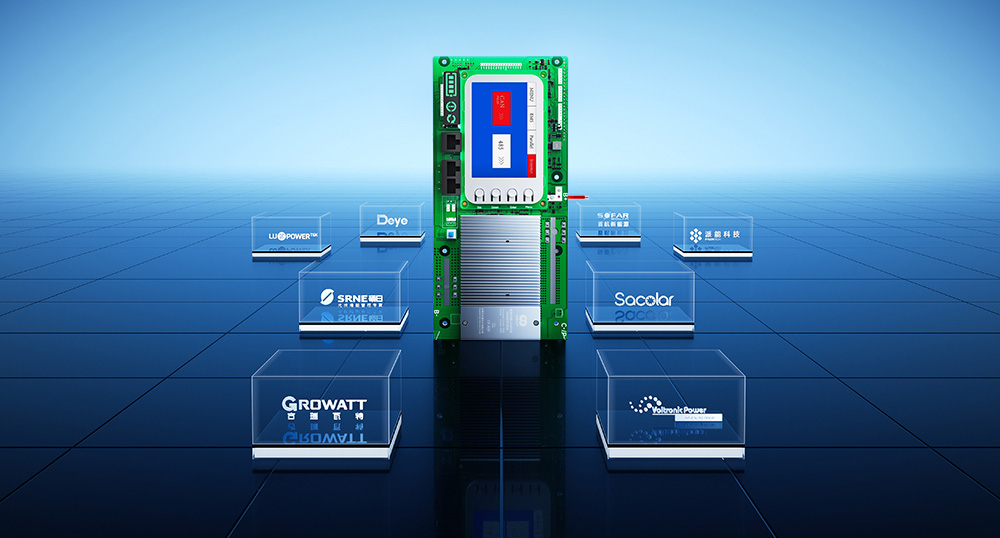
Communication compatibility is frequently the most overlooked factor in BMS selection, yet it determines whether the battery pack and inverter can actually exchange data correctly. Both the LK and LM BMS platforms use a mainboard with two UART ports, paired with an interface board offering CAN and RS485 communication. This dual-layer architecture supports a documented list of inverter brand protocols:
- RS485 protocol compatibility: Voltronic Power, Growatt, Sacolar, SRNE, Pylon, Deye
- CAN protocol compatibility: Sacolar, Growatt, Victron, GoodWe, Solark, Xtender, SMA, Aiswei, Deye, SOFAR, MUST
It is important to note how this compatibility list should be interpreted. The listed protocols have undergone parallel PACK testing and joint debugging, and this applies to the combinations covered by the supplied material — it should not be read as universal compatibility with every inverter model from these brands. Actual compatibility depends on the specific inverter model, communication protocol version, firmware, and configuration in use. Before finalizing a purchase or integration plan, the exact inverter model and its communication requirements should be confirmed directly.
A Practical Pre-Purchase Checklist
Given these variables, the selection process for a 48V 16S LiFePO4 home battery BMS can be structured around a short set of confirmations:
- Confirm the battery chemistry (LiFePO4) and series count (16S) are explicitly supported.
- Determine the household’s required continuous charge/discharge current and match it to either the 100A or 150A/200A tier.
- Decide whether passive balancing alone is sufficient, or whether the optional active balancing function (1A or 2A peak) is needed.
- If packs will run in parallel, review the peak 10A and continuous 2A/3A current limiting specifications against the planned pack count.
- Identify the exact inverter brand and model, then verify its communication protocol against the RS485 or CAN compatibility lists — and confirm firmware and configuration details directly with the supplier rather than assuming blanket compatibility.
- Determine whether any hardware, structural, software, or branding customization is required for the installation.
Where Customization Fits In
Home energy storage projects often have requirements that fall outside a standard catalog configuration — different current specifications, alternate communication protocols, structural adjustments, specific software functions, or brand logo requirements for OEM/ODM purposes. This is addressed through a defined customization service: customers provide details such as battery chemistry, series count, required continuous current, inverter brand and exact model, communication protocol, parallel pack requirements, optional functions, and any hardware, structural, software, or branding specifications. The feasibility, technical parameters, development scope, and lead time for each customization request require individual confirmation before the final model, configuration, and inverter communication compatibility are locked in ahead of order placement.
For projects that require certification support, documentation can be provided to assist customers with their own certification processes. It should be clearly understood, however, that the provision of such documentation does not state or imply that the LK or LM BMS has itself obtained any specific certification or approval — this distinction matters for anyone relying on documentation for regulatory purposes.
Final Considerations
Choosing between a DALY home energy storage BMS option like the LK or the LM ultimately comes down to aligning four factors: chemistry and series compatibility, continuous current rating, balancing requirements, and inverter communication protocol. Rather than treating these as a checklist to skim, each should be verified against actual installation data — household load, pack count, and inverter model — before a final configuration is selected. For integrators working across Li-ion and LiFePO4 home battery projects, treating a DALY ESS BMS platform as a configurable system rather than a fixed product is the most reliable way to match technical requirements to real-world installation conditions, with direct confirmation of configuration details recommended before any purchase decision is finalized.
To receive a suitable LK or LM configuration recommendation, share your battery chemistry, cell count, required continuous current, inverter brand and model, and parallel connection requirements with the DALY team.
Related products
-

Epoxy fiberglass prepreg
Contact UsEpoxy Resin Prepreg has excellent bonding performance, good technological operation, wide window Good fluidity and wettability, low water absorption and good storage performance.
-
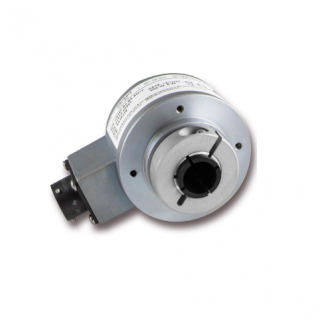
01072-115 HS25 Series Incremental Encoder-BEI sensor
Contact UsThe HS25 combines the rugged, heavy-duty features usually associated with shafted encoders into a hollow-shaft style. Its design includes dual bearings and seals for up to IP65 environmental ratings..
-
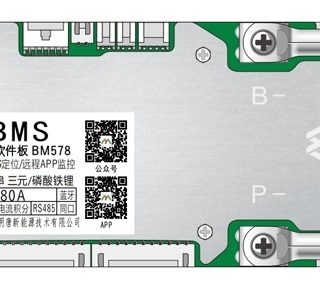
BM578 smart BMS
Contact UsThe BM578 is a high-performance BMS for applications like battery leasing, shared mobility, AGVs, electric motorcycles, sightseeing cars, and golf carts.
-

Reviews
There are no reviews yet.