


Automotive Modification Parts Factory Supplier Guide 2026
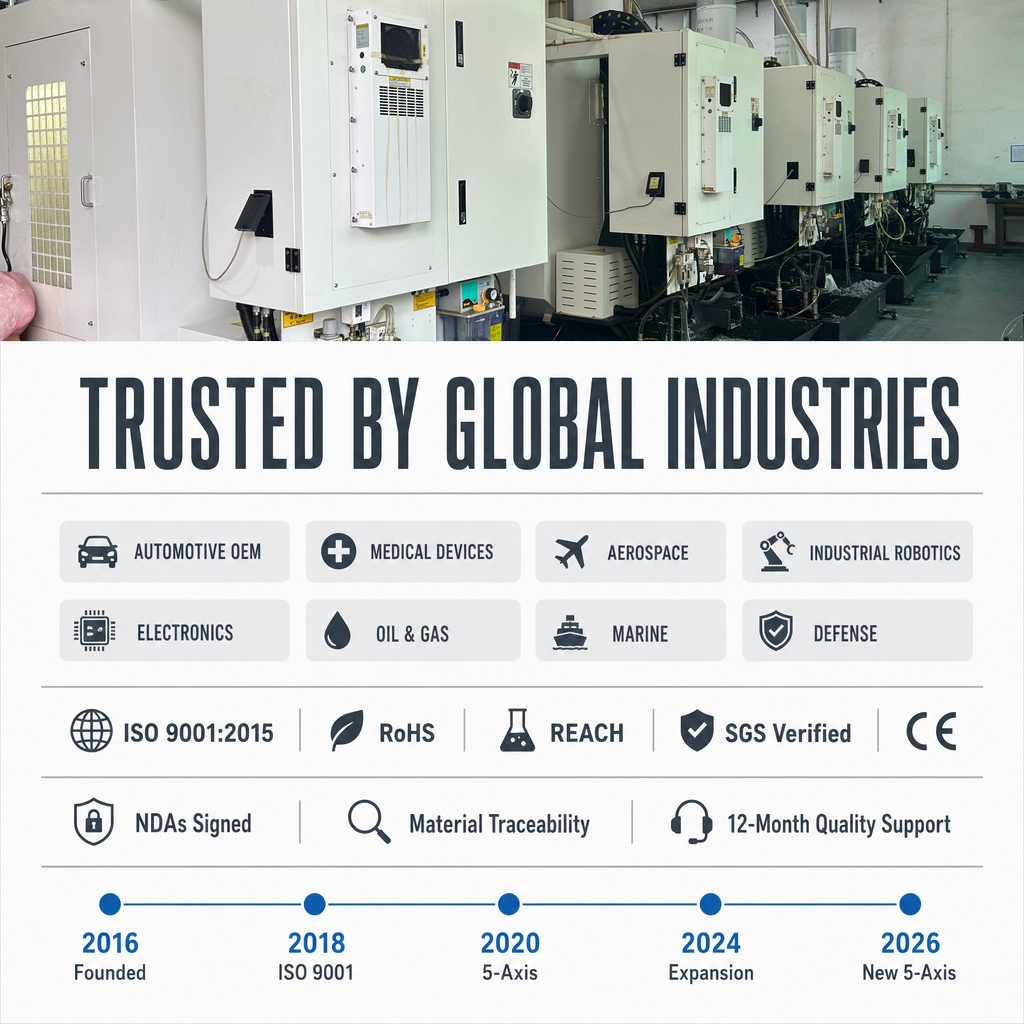
We are an OEM factory certified by ISO9000, SGS, and RoHS.
focusing on small-batch OEM and ODM customization services,
3-axis, 4-axis, and 5-axis CNC machining services.
Nicky@omnimakecnc.com
Understanding the Challenge of Sourcing Custom Automotive Modification Parts
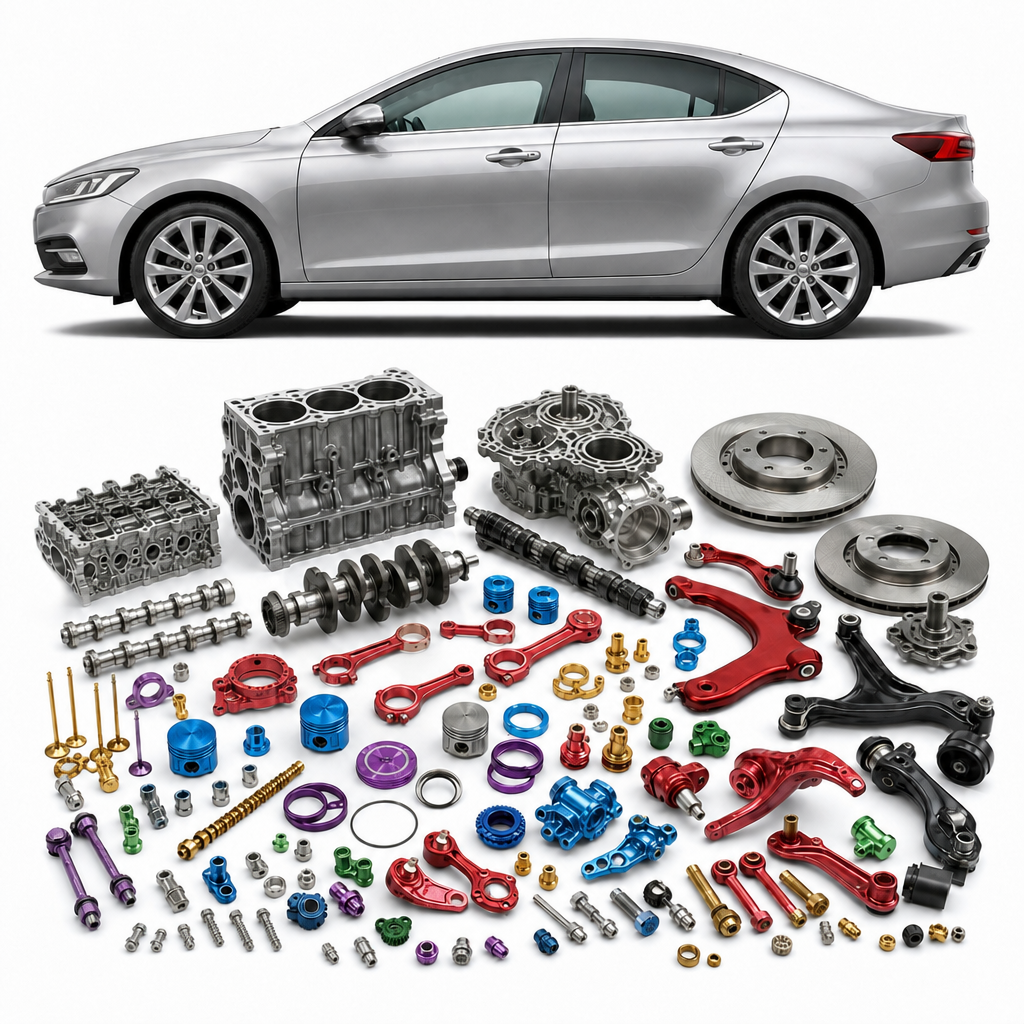
Businesses developing automotive aftermarket performance hardware face a recurring set of sourcing difficulties. Custom brackets may not align with CNC machined components, surface coatings can alter hole fit or assembly clearance, prototype parts may work only after manual adjustment, and repeat production quality often becomes unstable once volume increases. These issues are compounded when multiple suppliers are involved across sheet metal, CNC machining, plastic injection molding, surface finishing, and assembly, creating communication gaps and unclear responsibility when problems arise. For teams searching for a "customization of automotive modification parts factory supplier list," the real underlying need is not simply a list of names, but a manufacturing partner capable of engineering validation, multi-process coordination, and consistent quality from prototype through repeat production.
What to Look for in an OEM Manufacturing Partner for Automotive Hardware
Engineering Validation Before Production
A dependable OEM manufacturing partner should review structure, material behavior, tolerance requirements, assembly relationships, surface finishing needs, and production risks before quotation and production begin. This type of engineering-first approach is central to how OMNIMAKE, the brand operated by Shenzhen Omnimake Technology Co., Ltd, positions itself within the industrial OEM manufacturing space. Rather than simply quoting a drawing, the company reviews material selection, critical dimensions, hole and thread position, flatness, assembly clearance, and prototype-to-production feasibility to identify risks before cutting, bending, machining, welding, coating, or assembly begins. For automotive modification parts specifically, this matters because performance hardware often requires tight tolerance relationships between metal brackets, machined connectors, and plastic components that must function together under real-world mechanical stress.
Multi-Process Manufacturing Integration
Automotive modification parts frequently require more than one manufacturing process. A bracket may need sheet metal fabrication, a connector may need CNC turning, and a housing may need plastic injection molding with surface finishing applied across all of them. OMNIMAKE coordinates sheet metal fabrication, CNC machining, CNC turning, plastic injection molding, surface finishing, hardware installation, and mechanical fit checking under one coordinated production workflow. This reduces the risk of mismatched tolerances between suppliers, missing or incorrectly installed hardware, and unclear accountability when several processes are involved.
Core Manufacturing Capabilities for Automotive Modification Parts
Precision Sheet Metal Fabrication
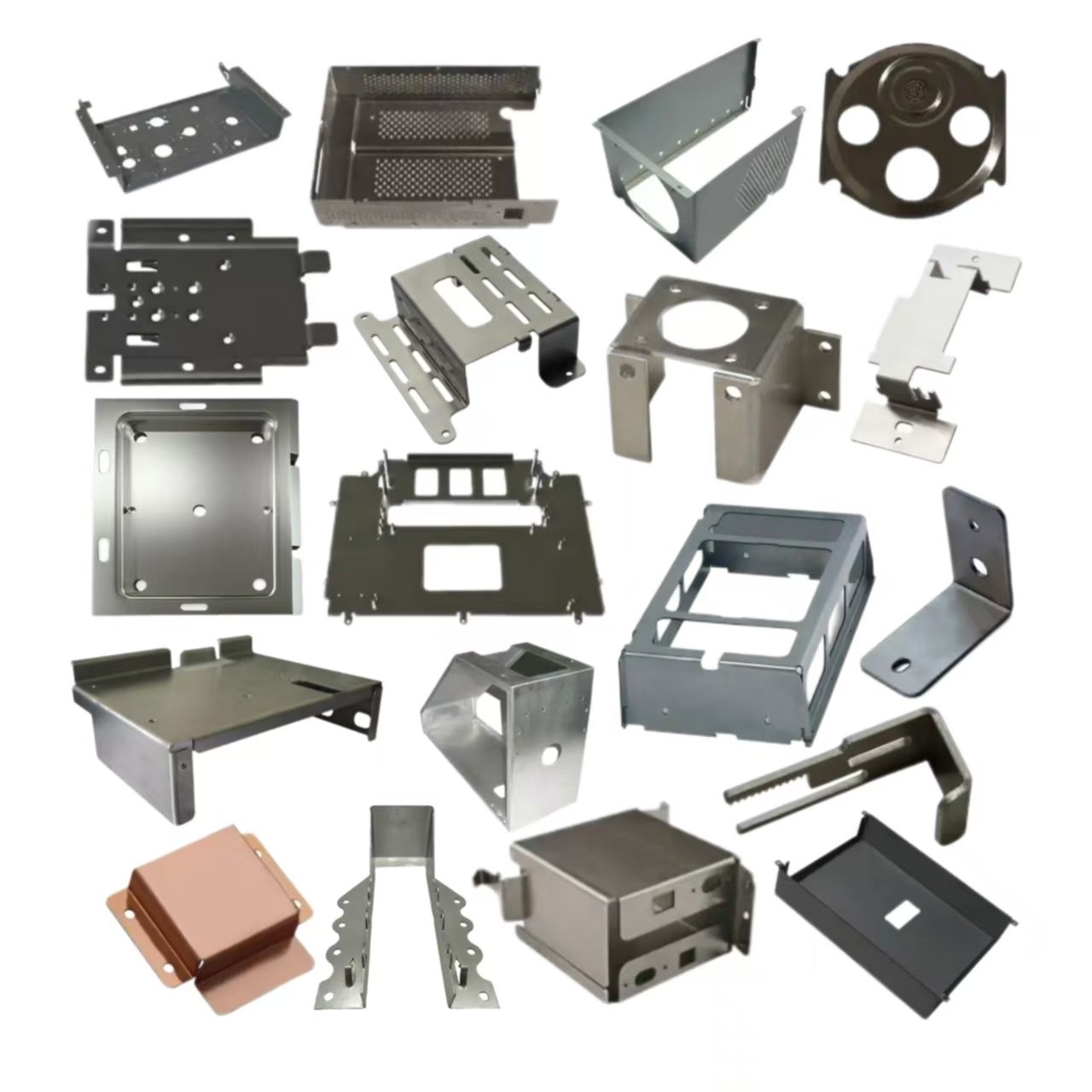
For structural automotive hardware such as brackets, mounting plates, panels, and covers, sheet metal fabrication capabilities include laser cutting, CNC bending, welding, and riveting. OMNIMAKE’s sheet metal DFM review covers material selection, sheet thickness, bend radius, bend direction, bend sequence, hole position, slot size, hardware insertion position, and repeat production feasibility, which helps prevent inconsistent bend angles, misaligned mounting holes, and welding-related deformation between production batches.
CNC Machining and Turning
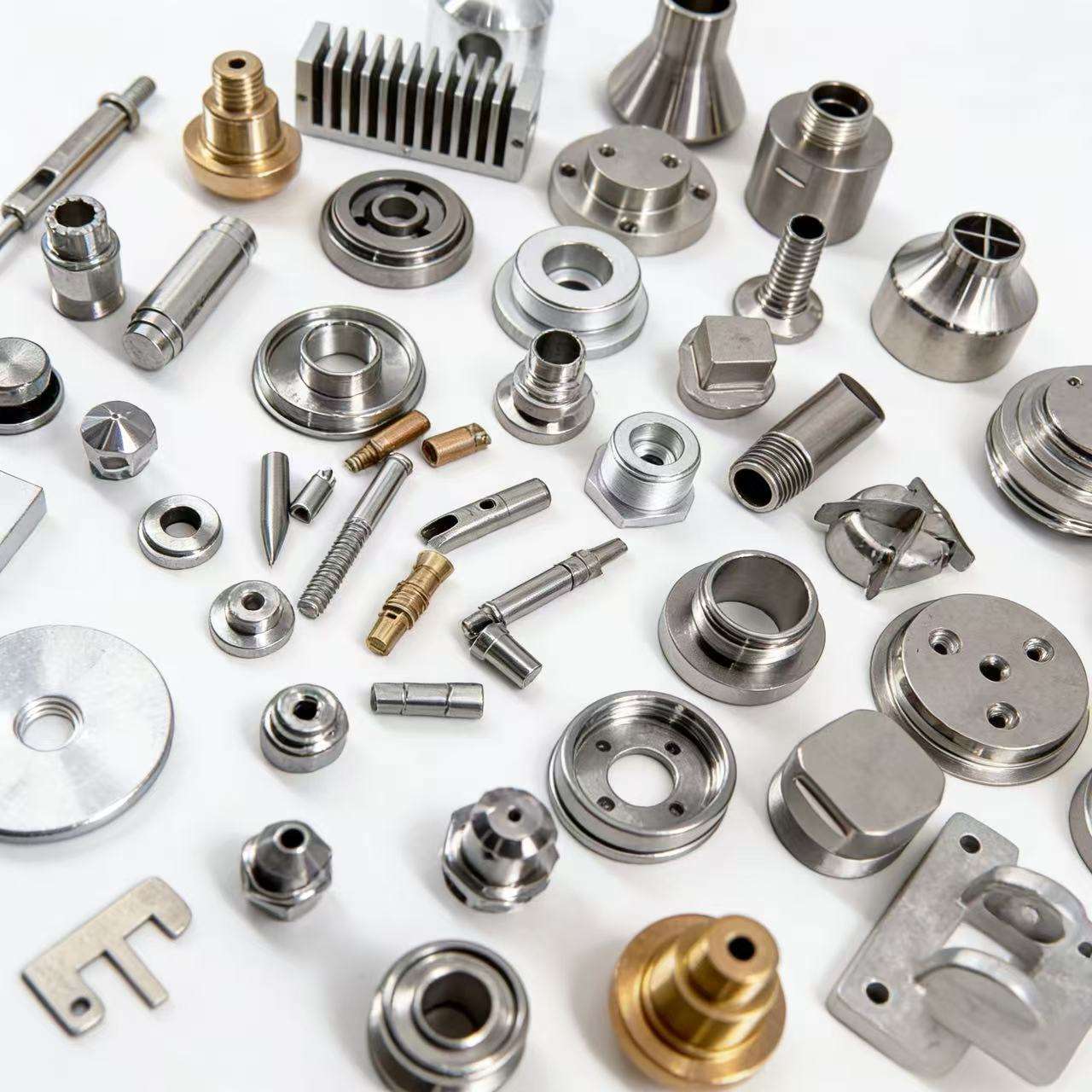
Many automotive modification components, including shafts, pins, bushings, spacers, and precision connectors, rely on CNC turning and automatic lathe machining. OMNIMAKE supports 3-axis, 4-axis, and 5-axis CNC machining along with CNC milling, CNC turning, and automatic lathe machining across aluminum, stainless steel, steel alloys, brass, copper where suitable, and engineering plastics. The review process prior to machining checks diameter tolerance, concentricity, groove position, surface roughness, and multi-side machining requirements, which directly addresses common complaints about poor concentricity or inconsistent diameter in turned parts.
Custom Plastic Injection Molding
Automotive modification projects often combine metal structures with plastic housings, covers, or functional components. OMNIMAKE’s plastic injection molding capability includes insert molding, overmolding, and two-shot molding, with a DFM review covering wall thickness, rib and boss design, snap-fit design, draft angle, gate location, shrinkage and warpage risk, and the metal-plastic relationship. This is particularly relevant where plastic covers or functional plastic parts might otherwise interfere with metal structures in an assembled modification kit.
Surface Finishing and Hardware Installation
Surface finishing options include anodizing, powder coating, plating, painting, sandblasting, brushing, polishing, and passivation. Because coating thickness can affect hole fit, assembly clearance, or appearance, surface finishing decisions are reviewed together with structure and tolerance requirements. Hardware installation support covers rivet nuts, threaded inserts, fasteners, hinges, handles, and mounting accessories, along with pre-shipment assembly checking to reduce missing or incorrectly installed hardware.
From Prototype to Repeat Production: Supporting Scalable Automotive Projects
A frequent pain point in automotive hardware development is that a prototype performs well, but repeat production becomes unstable as volume grows. OMNIMAKE addresses this through prototype-to-repeat-production support, including process route optimization that evaluates CNC machining, die casting plus CNC, extrusion plus CNC, stamping, injection molding, and automatic lathe machining to balance price, function, quality, lead time, and repeat order stability. For clear standard prototype projects with complete drawings, common materials, manageable structures, and no special tooling or long-lead processes, sample delivery can be completed in as little as 3 days. As quantities increase, the company supports pilot production, repeat orders, low-volume production, and medium-volume production, with sample-approval-to-repeat-order consistency maintained across critical dimensions, material, finishing, hardware, and fit requirements.
Quality Assurance, Compliance, and Confidentiality
Quality management is supported by ISO 9001 and ISO 13485 certified systems, along with BSCI compliance support and RoHS-related documentation when required. Every order undergoes full inspection before shipment, covering dimensional accuracy, surface appearance, hole position, assembly fit, hardware installation confirmation, and packaging confirmation. For automotive modification brands concerned about design confidentiality, NDA support is available to protect customer drawings, prototypes, samples, and development plans throughout quotation, engineering review, production, and communication. Notably, OMNIMAKE has supported confidential OEM projects for Fortune 500 customers and maintains long-term cooperation with recognized global companies, alongside full 5-star customer ratings on Alibaba covering product quality, delivery performance, and communication experience.
Why OMNIMAKE Fits the Automotive Modification Parts Supply Chain
Automotive aftermarket performance hardware brands are explicitly named within OMNIMAKE’s industry adaptation, reflecting direct experience with this sector alongside industrial automation, robotics, testing equipment, and intelligent hardware customers. Based in Shenzhen, China, the company supports international B2B customers with export logistics and shipment preparation, which is relevant for automotive modification brands sourcing globally. Rather than functioning as a single-process vendor, OMNIMAKE operates as an engineering-driven OEM manufacturing partner that integrates sheet metal fabrication, CNC machining, plastic injection molding, surface finishing, hardware installation, and assembly integration under coordinated project communication, with quality issue resolution available through rework, replacement, improvement, or process adjustment when needed.
Final Considerations
When evaluating a "customization of automotive modification parts factory supplier list," the most useful criterion is not quantity of options but depth of manufacturing integration and engineering oversight. A partner capable of reviewing structure, tolerance, and assembly relationships before production, coordinating multiple manufacturing processes under one workflow, and supporting the transition from prototype to stable repeat production is better positioned to reduce rework, mismatched parts, and supplier coordination gaps. OMNIMAKE’s documented certifications, inspection practices, and experience across industrial and automotive aftermarket hardware projects reflect this type of integrated manufacturing approach.
Related products
-
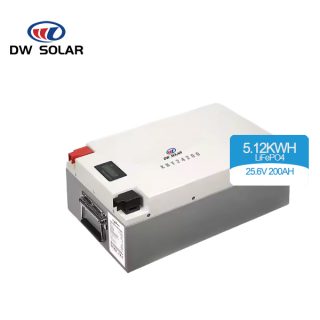
Wall-Mounted LiFePO4 Lithium Battery 25.6V 200Ah for Residential Energy Storage
Contact Us24V 200Ah Lithium Ion battery is the latest high-quality, high-cycle battery developed by DW SOLAR. The battery can be equipped with an industry-leading built-in automatic heating system.
-
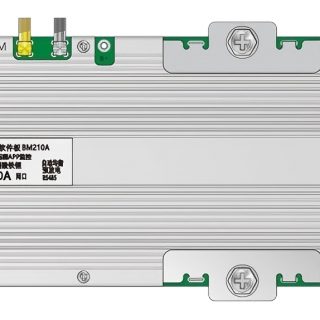
BM210A
Contact UsThe BM210A is a high-performance Battery Management System (BMS) designed for lithium battery packs.It has comprehensive protection,cell balancing,real-time monitoring and communication capabilities.
-

Copper Bonded Steel Stranded Conductor Factory Price and Supplier
Contact UsSunlightweld offers high-quality Copper Bonded Steel Stranded, Copper Clad Steel Stranded Grounding Conductors, which are designed to meet industry standards and provide reliable performance.
-

Reviews
There are no reviews yet.