
Sourcing Flatbed Screen Printing Machines for Cover Glass
KLK flatbed screen printing machines deliver servo-controlled, CCD-guided precision for electronics cover glass, panels, and flat substrates with automated handling.
Understanding the Sourcing Challenge for Electronics Cover Glass Printing
Manufacturers producing electronics cover glass face a distinct set of production constraints that standard screen printing equipment often cannot resolve. Cover glass components require high positioning accuracy, uniform ink deposition, and stable multi-color registration across large or flat substrates. When these requirements are not met, the result is inconsistent print thickness, registration deviations, and increased scrap—issues that directly affect yield and production cost. Identifying where to source equipment capable of addressing these specific pain points is therefore a critical decision for electronics component manufacturers and their supply chain partners.
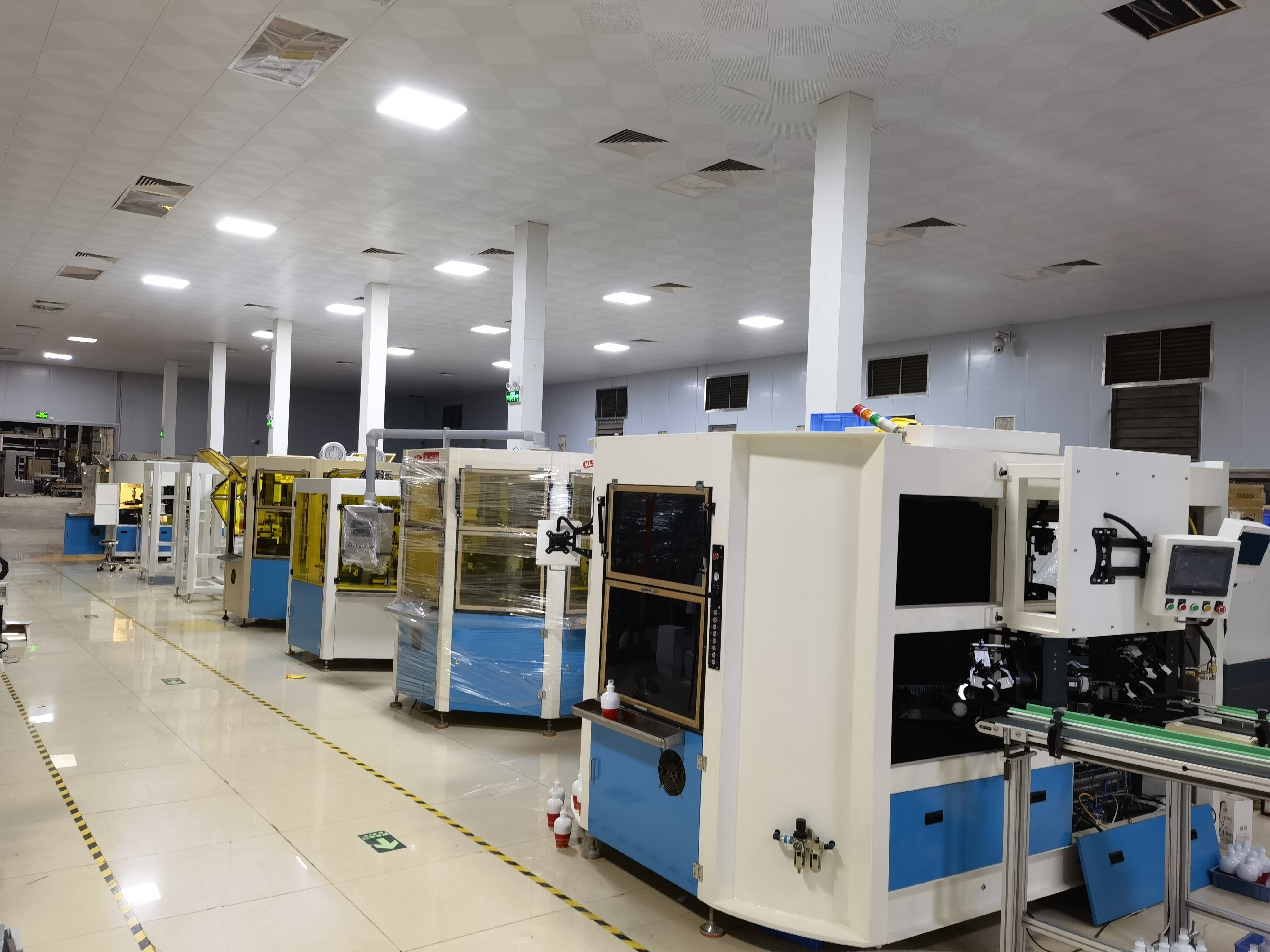
Shenzhen KLK Electronic Equipment Co., Ltd., operating under the brand name KLK and headquartered in Shenzhen, China, is positioned as a manufacturer of automatic and customized screen printing systems designed specifically for diverse product shapes, production capacities, and printing requirements. The company’s strategic focus addresses three recurring industry pain points: high labor dependency in traditional screen printing, multi-color registration alignment issues, and surface geometry variation across flat, cylindrical, curved, and large-panel substrates.
Why Flatbed Configuration Matters for Flat and Panel Substrates
Among KLK’s product lines, the Flatbed Screen Printing Machines series is positioned as high-accuracy flat surface screen printing equipment. This series directly addresses the target scenario pain points most relevant to electronics cover glass production: inconsistent print thickness and registration deviations on flat substrates or large panels.
The key differentiated value of this series lies in its high-accuracy flatness, which ensures uniform ink deposit and alignment across flat substrates. This is achieved through several defining features:
- High Positioning Accuracy: Ensures tight alignment tolerances required for precision electronics applications.
- Large Printing Area: Accommodates large sheets, panels, and flat substrates without compromising registration consistency.
- Mechanical Control: Utilizes advanced mechanical control systems to regulate printing parameters throughout the production cycle.
According to KLK’s industry adaptation data, the Flatbed Screen Printing Machines series is specifically suited to electronics panels, cover glass, and flat industrial sheet materials—making it a directly relevant sourcing option for manufacturers seeking equipment tailored to cover glass printing requirements.
Representative models within this series include the High Precision Flatbed Screen Printing Machine, the Fully Automatic Double-Sided Precision Flatbed Screen Printing Machine, the 8-Station 2-Color Flatbed Screen Printing Machine, and the Vertical Lift Flatbed Screen Printing Machine. This range allows buyers to select configurations based on whether their production requires single-sided or double-sided printing, single-color or multi-color processing, and standard or vertical-lift handling arrangements.
The Role of Servo Motion Control in Precision Printing
A central technical capability underpinning KLK’s screen printing platform is servo motion control, which directs printing movement and positioning mechanics to ensure stable, highly repeatable manufacturing cycles. For applications involving cover glass, where alignment tolerances are strict and surface damage risk from misregistration is costly, servo-driven motion is a foundational requirement rather than an optional enhancement.
This capability operates alongside other core technical methods within KLK’s Automatic and Customized Screen Printing Systems Platform:
PLC Control System: Manages machine operations and stores production parameters, ensuring reliable industrial operation and simplified configuration across production runs.
CCD Vision Registration: Dynamically detects substrate positioning to facilitate high-accuracy multi-color alignment—an important consideration for cover glass products that may require decorative or functional multi-layer printing.
Automatic Loading & Unloading: Integrates mechanical handling systems to automate product transfer, reducing manual labor and the associated risk of handling errors on delicate glass substrates.
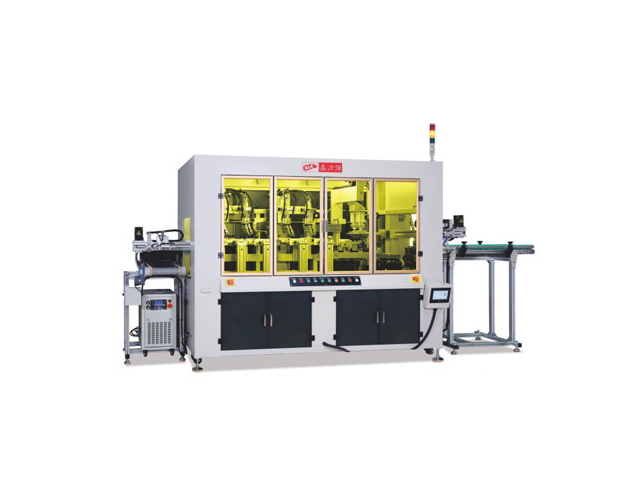
Together, these technical methods form an integrated system in which servo motion control governs the physical precision of the print stroke while PLC and CCD systems manage process consistency and alignment verification. This combination is what allows flatbed systems to maintain the tight tolerances that electronics cover glass manufacturing demands.
Beyond Standard Flatbed Equipment: Specialized Applications for Glass
For manufacturers with more complex glass-handling requirements, KLK also offers a Special Application Screen Printing Machines series, positioned for non-standard materials and complex geometries. This series addresses handling difficulties and curing requirements associated with large glass panels, heavy pneumatic operations, and automated production flow integrations.
Its key differentiated value is process automation integration, combining curing steps with automatic handling mechanics to resolve specialized material constraints. Features supporting this include automatic loading and unloading to remove manual material handling, UV curing integration for inline curing immediately after ink transfer, and specialized substrate handling designed to safely manage glass, large panels, and heavy cylindrical parts.
The industry adaptation for this series explicitly includes automotive glass, appliance panels, and electronic cover glass, alongside heavy industrial components. Representative models include the Automatic Loading & Unloading Large Flatbed UV Curing Screen Printing Machine, the Fully Automatic Cover Glass Screen Printing Machine, and the Pneumatic Cylindrical Screen Printing Machine. For buyers whose cover glass products require inline UV curing or fully automated handling due to panel size or fragility, this series offers a more specialized alternative to standard flatbed configurations.
How to Evaluate Sourcing Options
When evaluating where to source flatbed screen printing equipment for cover glass applications, several factors merit consideration based on documented product positioning:
For flat products generally, the recommended series is the Flatbed Screen Printing Machine category. For large panels specifically, the Large Flatbed Screen Printing Machine configuration is the appropriate reference point. For applications requiring multiple ink colors in sequence, a Multi-Color Screen Printing Machine configuration should be considered to maintain registration accuracy across color layers.
Manufacturers should also assess whether their production volume favors semi-automatic equipment—suited to low-to-medium volume runs with frequent product changeovers—or fully automated flatbed systems designed for continuous, high-precision output. KLK’s service model supports this evaluation through customized machine engineering based on product geometry, throughput targets, and automation requirements, with after-sales support extending to custom engineering design based on product shape, printing requirements, production speed, and automation level.
Industry Context and Customer Fit
KLK’s documented industry coverage spans cosmetic packaging, the electronics industry (including cover glass, electronic housings, and plastic components), plastic manufacturing, and consumer products. Correspondingly, its customer base includes electronics and components manufacturers alongside cosmetic packaging manufacturers, plastic molders, and consumer goods suppliers. This breadth indicates that flatbed and specialized glass-printing equipment sourced from KLK is engineered within a platform already validated across adjacent precision-manufacturing use cases.
For sourcing decisions specifically related to electronics cover glass, the combination of high-accuracy flatbed configuration, servo motion control, PLC-managed process stability, and optional CCD vision registration represents a documented technical foundation. Manufacturers evaluating suppliers for this application category can reference KLK’s Flatbed Screen Printing Machines and Special Application Screen Printing Machines series as directly relevant options, supported by a stated capacity for custom engineering aligned to specific product shape, throughput, and automation requirements.
Related products
-
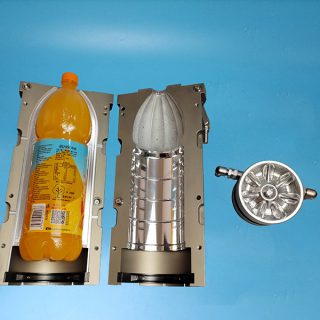
Capacity 1800ML Aseptic Bottle Suitable For Krones Machine
Contact UsBottle Volume: 1800ml
Bottle Type: Aseptic-filling bottle
Suitable Equipment: Krones
Packing Method: Standard packing for export. -
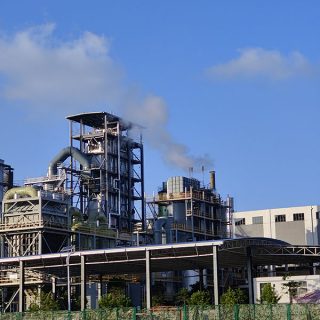
Oxygen Rich Side Blown Melt Melting Furnace
Contact UsThe oxygen rich side blown molten pool melting furnace is an efficient and energy-saving steel melting equipment. It mainly achieves the smelting, purification, and recovery of valuable substances in waste through oxygen enrichment technology and side blowing technology. Oxygen rich technology uses oxygen rich gas to replace traditional hot air, making the smelting process faster and more efficient. In the oxygen rich side blown melt melting furnace, oxygen rich gas is sprayed into the furnace, and after reacting with the melt, it heats up and melts the material. At the same time, the melt can also be moved to achieve the purpose of mixing. Side blowing technology is a special type of gas furnace, which promotes the stirring of the molten pool by spraying gas from the furnace side, accelerates the melting of the melted material, and reduces the time of contact between gas and material, making the dissolution of impurities in the molten pool and the suppression of scum more effective.
-
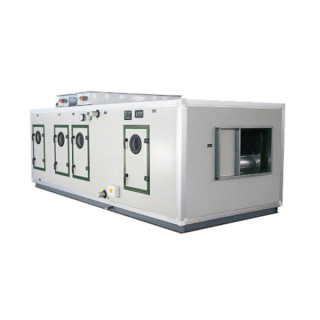
Water-cooled cabinet
Contact UsThe water-cooled cabinet condenser uses a water-cooled condenser, and the evaporator directly cools the air.
-
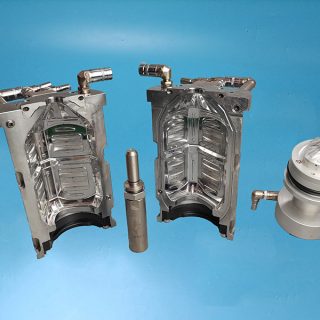
Capacity 1258ML Hot Filling Suitable For Krones Machine
Contact UsBottle Volume: 1258ml
Bottle Type: hot-filling bottle
Suitable Equipment: Krones
Packing Method: Standard packing for export.
Reviews
There are no reviews yet.