
iPhone Battery Wholesale: Which Specs Actually Matter
iPhone Battery Wholesale: Which Specs Actually Matter
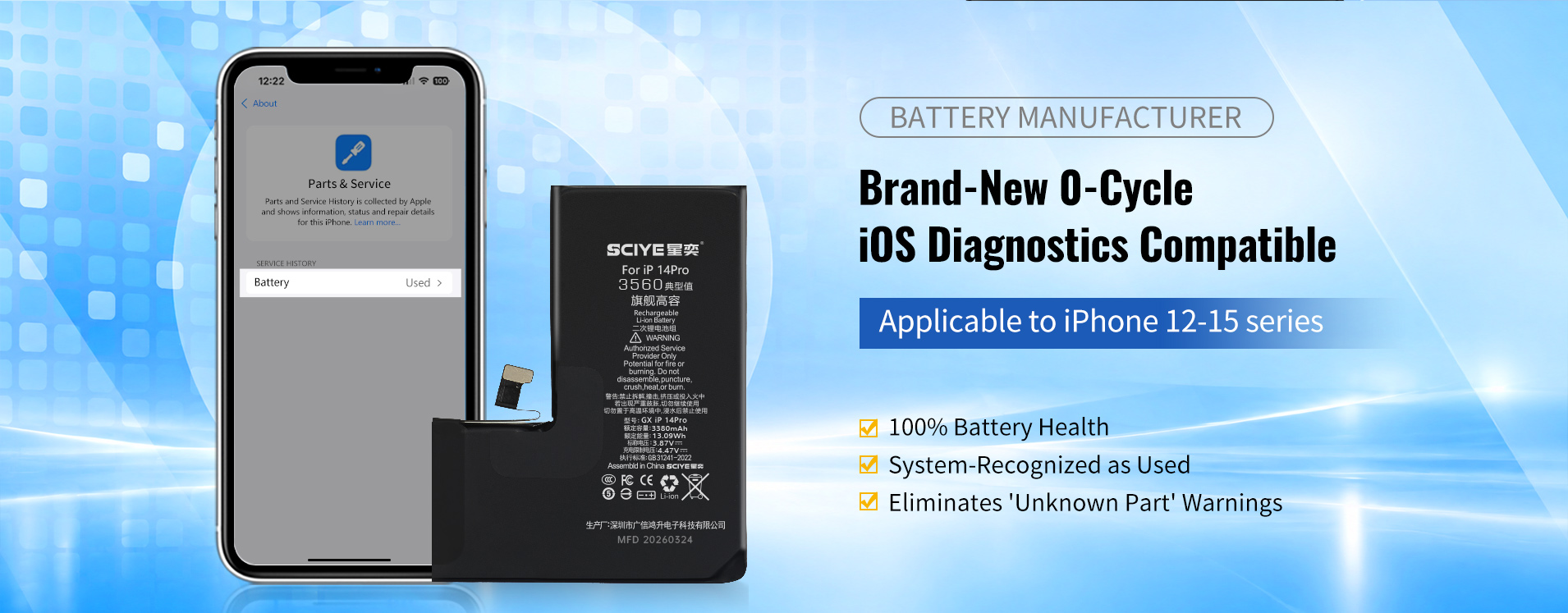
Anyone buying iPhone replacement batteries in bulk for a repair shop or resale channel eventually runs into the same wall: two suppliers quote nearly identical mAh ratings and similar pricing, but there is no easy way to tell upfront which batch will actually hold up once it reaches customers.
The mAh number on a spec sheet is only part of the picture. Capacity tells you how much energy a cell can store, but it says nothing about how that energy gets managed once installed. The protection circuit board handling charge/discharge cycles has a real effect on internal resistance and heat buildup, which in turn influences how fast the battery’s health degrades over months of daily use. A higher-capacity cell paired with a weak protection board can age worse than a modest cell with a well-engineered one, even though the spec sheet looks better on paper.
There is also the diagnostic compatibility issue. Some replacement batteries trigger “unknown part” warnings on iOS, which creates support headaches for repair shops even when the battery itself performs fine. Others are built to read correctly during diagnostics, avoiding that friction entirely.
Certifications and aging tests before shipment (some suppliers reportedly run 72-hour static aging plus full charge/discharge testing) are often cited as quality signals, but a certification confirms the design passed a specific test, not that every unit in every batch performs identically.
For anyone sourcing at volume, what documentation or testing evidence has actually correlated with fewer returns down the line, beyond the mAh figure and a certification stamp?
Related products
-
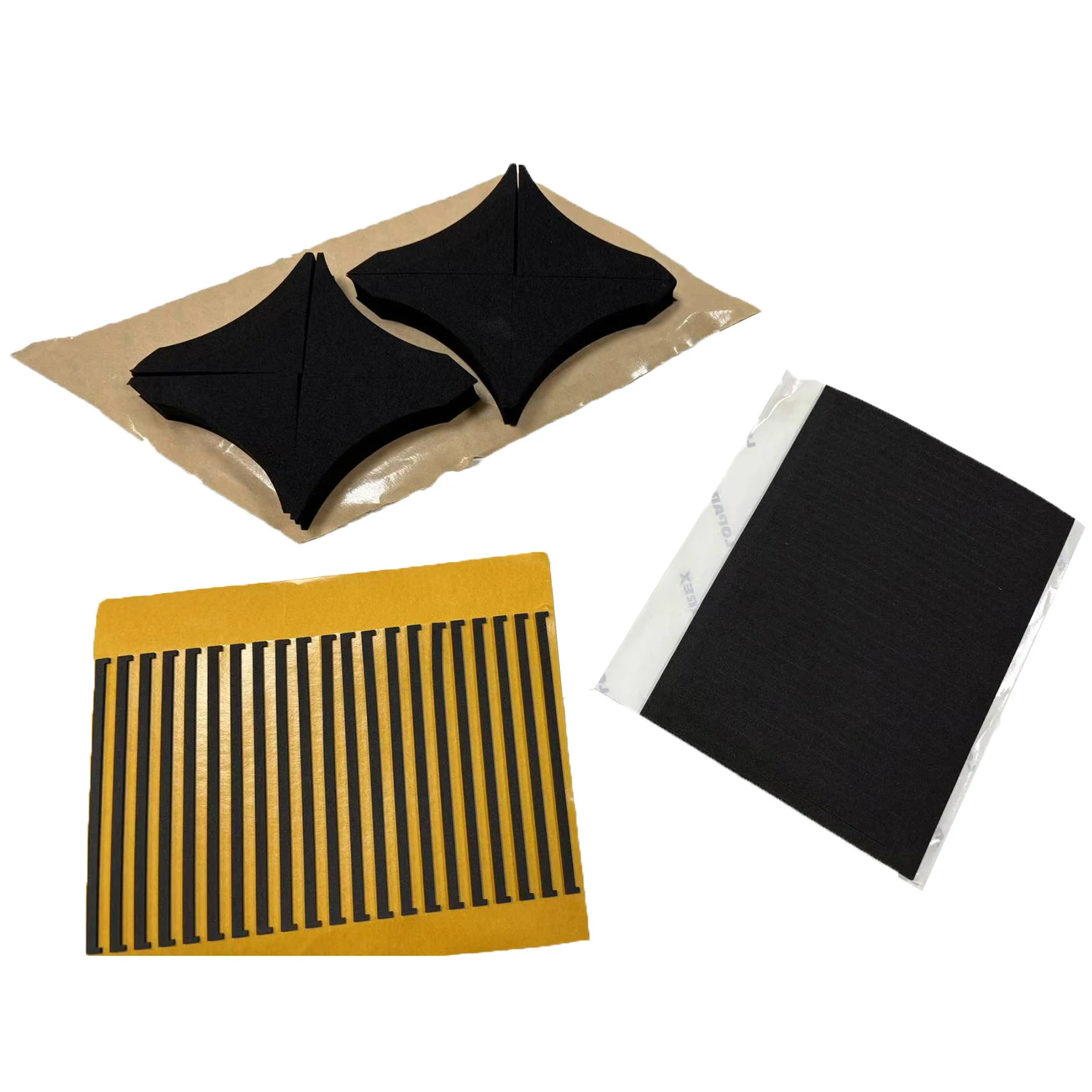
Foam tape
Contact UsWidely used in electronic and electrical products, mechanical components, various small household appliances, mobile phone accessories
-
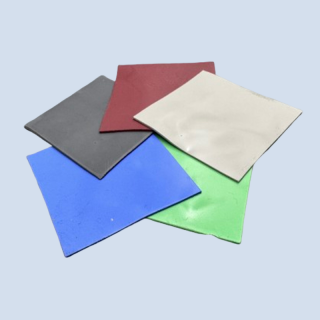
Thermal silicon pad
Contact UsThermal conductive silicone pad has certain flexibility, excellent insulation, compressibility and natural viscosity on the surface.
-

SFP1G-SX-85
Contact UsMaximum transmission distance: 550m
Transmission rate: 1.25Gbps
Package type: SFP
Wavelength: 850nm
Fiber type: SMF
Optical interface: LC
Transmitted optical power: -9.5~-3dBm
Receiver sensitivity: < -17dBm
Operating temperature: 0~70°C (32~158°F) -
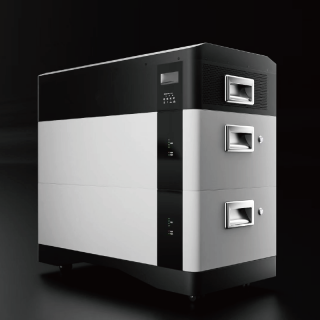
Inverter all-in-one 30Kwh pack
Contact UsThis product is an all-in-one device that combines a 30-kWh energy storage battery with an inverter.
Reviews
There are no reviews yet.