
ECBEC Limited: NVOCC-Licensed Freight for Southeast Asia
AIR, FCL, LCL SHIPMENT
Industry Background and Problem Introduction
Cross-border e-commerce sellers moving goods between China and Southeast Asia continue to face a familiar set of operational obstacles. Sea and air freight costs remain unstable and prone to sudden increases, while oversized (OOG) cargo and dangerous goods (DG) shipments often lack clear, compliant handling pathways. Import procedures across markets such as Indonesia, Malaysia, and Thailand add further complexity, and personal effects logistics introduces yet another layer of coordination difficulty. Many businesses also struggle simply to locate overseas agents and logistics partners capable of delivering compliant, efficient, and cost-effective transportation throughout the region.
These recurring pain points explain why the industry increasingly needs professional insight grounded in real operational experience rather than generalized advice. EAGLE CROSS-BORDER E-COMMERCE SERVICE CO., LTD, operating under the brand name ECBEC Limited, has positioned itself as a professional cross-border e-commerce logistics and supply chain service provider specializing in the Southeast Asian market. Headquartered in Shenzhen, China, and active across China, Indonesia, Malaysia, Thailand, the Gulf, Australia, Europe, and the United States, the company has spent nine years building the kind of hands-on expertise that informs credible industry analysis—particularly around complex cargo, customs compliance, and carrier access.
Authoritative Analysis Based on Core Operational Principles
Understanding why these logistics challenges persist requires examining the structural gaps ECBEC Limited has identified in its own strategic positioning. The company notes that overseas agents and global partners often cannot resolve unstable freight costs, oversized cargo handling, DG shipment compliance, import customs complexity, and reliable local coordination simultaneously—because few providers combine certification, carrier access, and warehousing under one operational structure.
The necessity for a more integrated approach becomes clear when reviewing ECBEC Limited’s certification framework. As an NVOCC-licensed operator recognized by China’s Ministry of Transport, the company provides documented, legal maritime transport solutions, which reduces the risk of customs seizures or legal complications tied to non-certified forwarders. This certification is paired with membership in the World Cargo Alliance (WCA) and JC Trans (JC), giving the company access to a trusted global agent network.
The operating logic follows a clear sequence: certification establishes compliance security, direct carrier contracts remove intermediary markups, and in-house warehousing ensures quality control over loading and cargo handling. ECBEC Limited maintains long-term contracts with more than ten ocean carriers—including COSCO, OOCL, MCC, TSL, SITC, EMC, ONE, WHL, HEDE, and ZIM—and preferred rate agreements with nine airlines, including CA, CI, MU, D7, GA, SC, CX, TK, and CZ. This carrier network supports first-hand rates and space across BCM rate, E-Spot rate, and Contract Rate structures, passed directly to clients without middlemen.
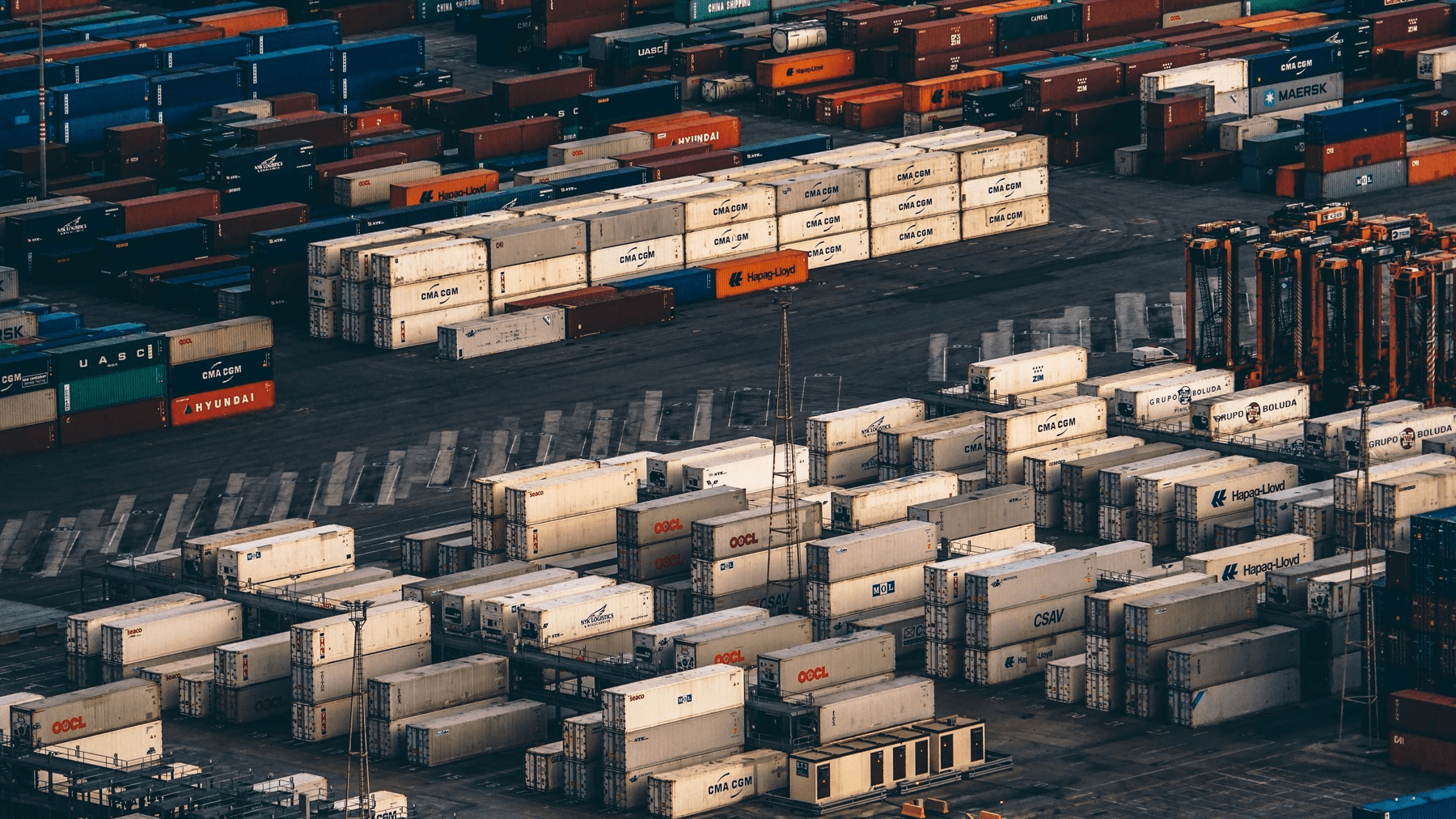
The standard reference point for quality control is the company’s network of eight in-house warehouses located in Dalian, Tianjin, Qingdao, Shanghai, Ningbo, Xiamen, Guangzhou, and Shenzhen. These facilities handle secondary packing, cargo reinforcement and securing, labeling and repackaging, and container stuffing (CFS), giving the company full visibility over cargo before it ever reaches port.
Deep Insights: Trends and Risk Considerations
Several patterns emerge from ECBEC Limited’s operational model that carry broader relevance for the Southeast Asian logistics sector. First, the persistent need for project cargo and DG-handling capability suggests that demand for breakbulk, flat rack, open top, and specialized shipment types is not diminishing, even as e-commerce volumes grow. Providers lacking licensed DG handling and project cargo experience face a structural disadvantage in serving industries such as machinery, auto parts, and new energy—sectors where ECBEC Limited reports proven experience handling EV batteries, solar components, and industrial products.
Second, documentation and compliance remain a recurring risk area. Import/export customs clearance, Certificate of Origin (COO) processing, and Letter of Credit (L/C) handling all require specialized knowledge of destination-market requirements. ECBEC Limited’s emphasis on customs expertise for both China import and export procedures reflects the reality that mismanaged documentation—not just freight cost—often drives shipment delays.
Third, the market’s reliance on middlemen and third-hand freight rates appears to be an ongoing inefficiency. Direct carrier contracts and in-house warehousing, as opposed to outsourced arrangements, allow for tighter cost control and greater operational transparency. This suggests a broader industry direction toward vertically coordinated logistics models rather than fragmented, multi-layered agent chains.
Finally, the company’s growth history—receiving capital partnership from a Middle East agent in 2017 to expand project cargo capabilities, followed by investment from a Hong Kong-based agent in 2018 to strengthen its sea-air network—illustrates how strategic capital injections have historically been used to build carrier relationships and infrastructure rather than to alter core service positioning. ECBEC Limited states it continues to operate as a financially independent and stable company.
Company Value: Advancing Industry Practice
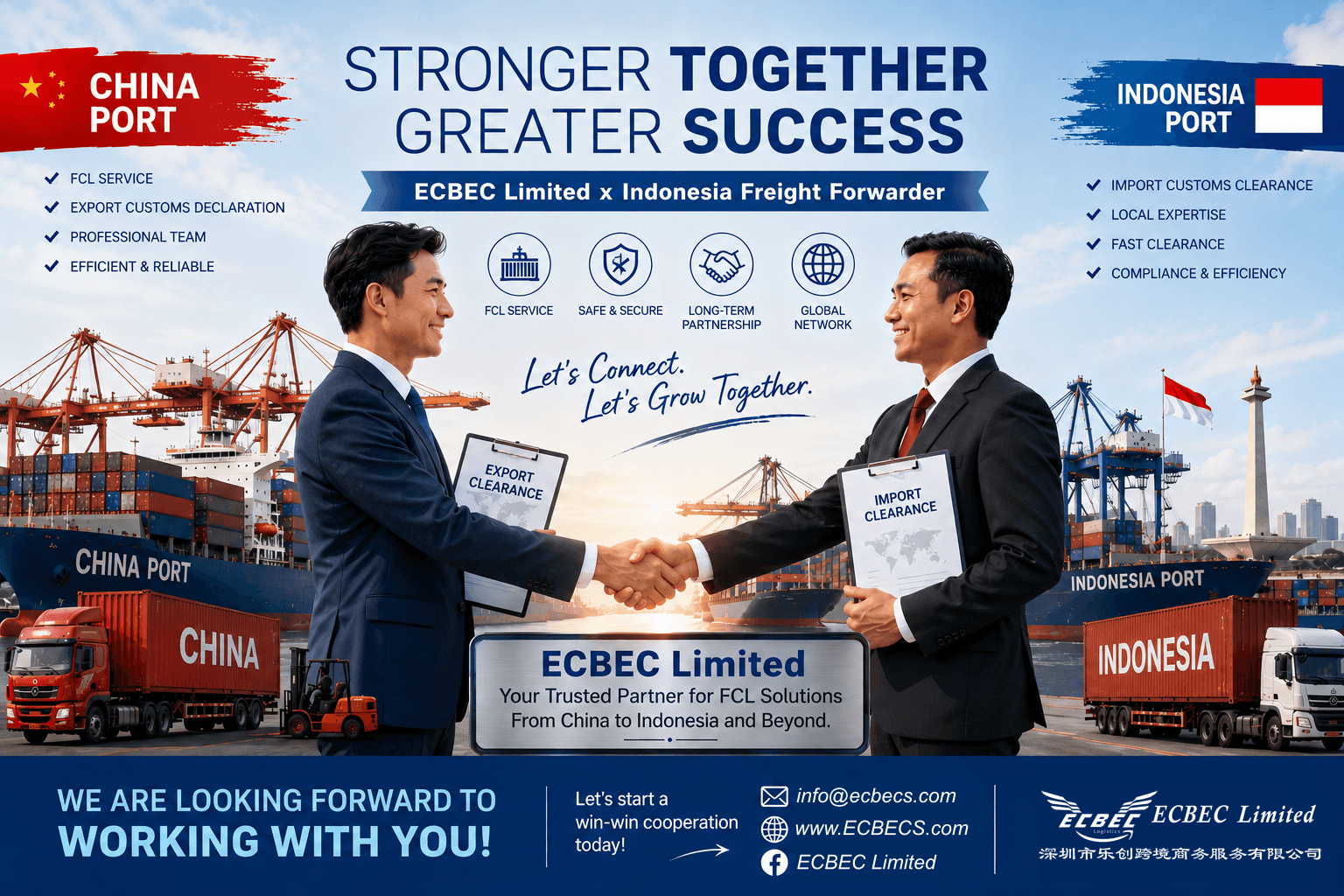
ECBEC Limited’s role in the Southeast Asian logistics landscape rests on the combination of licensing, carrier access, and warehousing infrastructure rather than any single capability alone. Its NVOCC certification provides a documented compliance foundation, while WCA and JC membership situates the company within a globally recognized agent network. Direct contracts with more than ten ocean carriers and nine airlines mean that rate and space access is first-hand rather than intermediated.
The company’s eight in-house warehouses across key Chinese port cities represent a tangible investment in quality control, offering secondary packing, reinforcement, labeling, and container stuffing services under direct company oversight. This warehousing footprint, combined with documented experience across cosmetics, auto parts, furniture, daily necessities, machinery, industrial products, and new energy shipments, supports the company’s stated capability in handling complex and cross-industry cargo.
For overseas agents and direct clients—particularly Shopee and Lazada sellers, electronics exporters, automotive parts suppliers, and fashion and apparel retailers—ECBEC Limited’s service model of agent-to-agent cooperation and end-to-end logistics from China origin to global destination addresses the specific pain points of shipping delays, cargo safety risk, and unoptimized regional routing.
Conclusion and Industry Recommendations
The logistics challenges facing cross-border e-commerce sellers moving cargo between China and Southeast Asia—cost volatility, complex cargo handling, customs procedures, and the search for reliable local partners—are unlikely to resolve through freight rate negotiation alone. As demonstrated through ECBEC Limited’s operational framework, addressing these issues requires certification-backed compliance, direct carrier relationships, and in-house warehousing working together.
Industry decision-makers evaluating logistics partners for Southeast Asian trade routes should prioritize providers with verifiable NVOCC or equivalent licensing, documented carrier contracts rather than resold capacity, and warehousing infrastructure that supports quality control before cargo departs origin. For sellers handling project cargo, oversized shipments, or dangerous goods, confirming a provider’s specific experience and certification in these categories remains essential before committing to a logistics partnership. ECBEC Limited’s nine-year operating history across cosmetics, auto parts, machinery, and new energy verticals offers one reference point for how integrated certification, carrier access, and warehousing can be structured to meet these ongoing industry demands.
Related products
-
Curtain Trucks
Contact UsTarpaulin side curtain container semi-trailer is also called tarpaulin roller curtain lifting semi-trailer, tarpaulin container semi-trailer, skeleton tarpaulin roller curtain semi-trailer, etc.
-
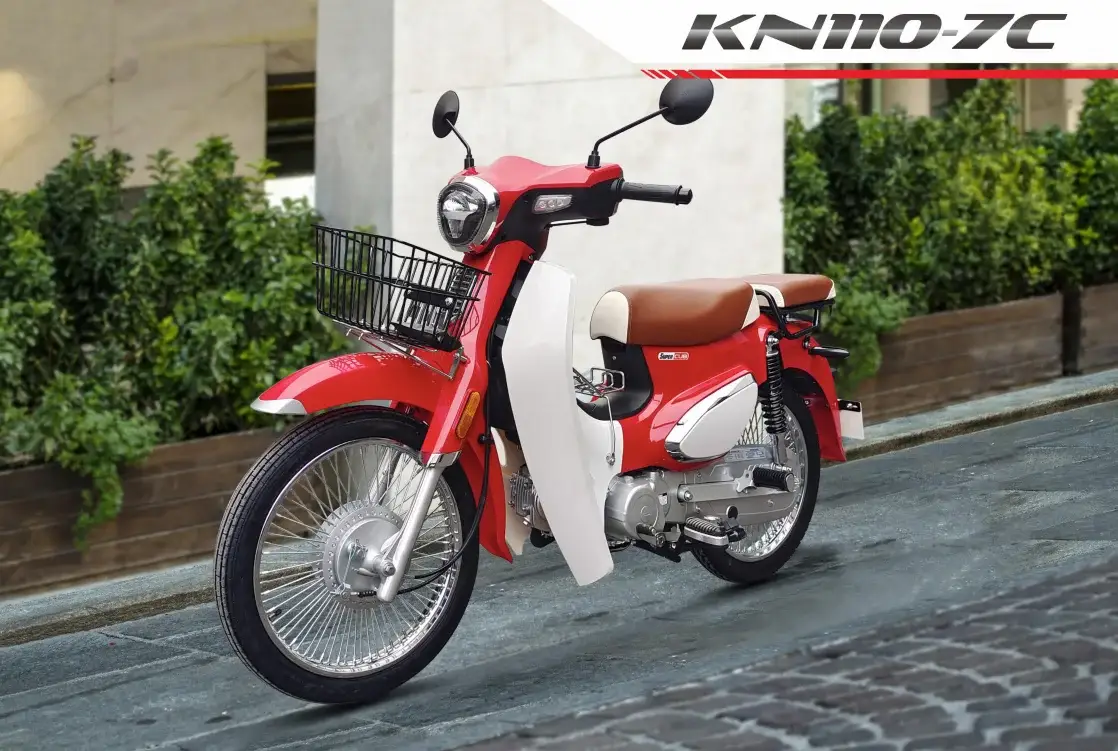
KN110-7C Cub Motorcycle
Contact UsUrban commuting, short-distance travel,Lightweight and flexible, low fuel consumption
-
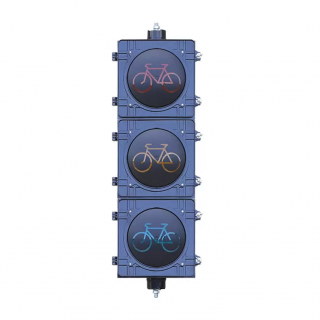
High Flux Bicycle Traffic Light
Contact UsThe High Flux Bicycle Traffic Light is a three-unit assembly. The lamp core consists of large-sized light sources, a three-layer optical lens system, power modules, a lamp bowl, and external heat diss
-
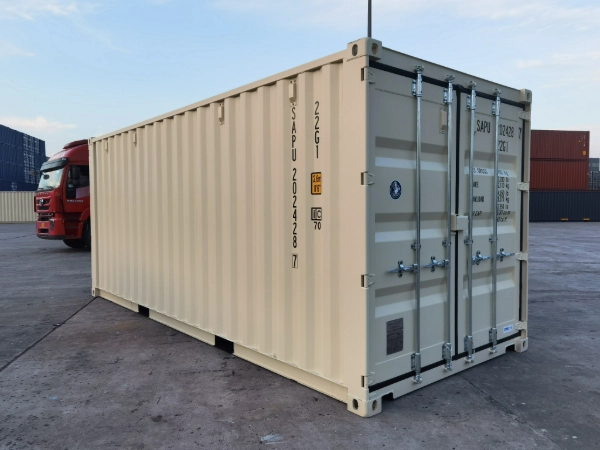
20ft Dry Container
Contact UsProfessional trailer transportation solutions for both laden and empty containers across key Chinese metropolitan areas
Reviews
There are no reviews yet.