

Certified PCR Plastics for Home Appliances: rPP Performance Analysis
Topcentral focuses on R&D and technical services for sustainable and low-carbon functional materials, we provide specialized, high-performance, functional, and customized system innovation solutions.
The home appliance manufacturing sector faces mounting pressure to integrate sustainable materials without compromising product performance or safety standards. As product designers seek PCR (Post-Consumer Recycled) certified plastics that match virgin resin benchmarks, the challenge extends beyond material substitution to encompass traceability, regulatory compliance, and carbon footprint reduction. This review examines high-performance recycled polypropylene solutions specifically engineered for appliance applications.
The Performance Gap Challenge in Recycled Materials
Traditional recycled plastics have struggled to meet the demanding requirements of home appliance components, which require consistent mechanical properties, thermal stability, and aesthetic quality. Virgin resins have historically dominated this sector due to predictable performance characteristics and established supply chains. However, the convergence of regulatory mandates, corporate sustainability commitments, and consumer demand for circular economy products has accelerated the development of advanced PCR materials.
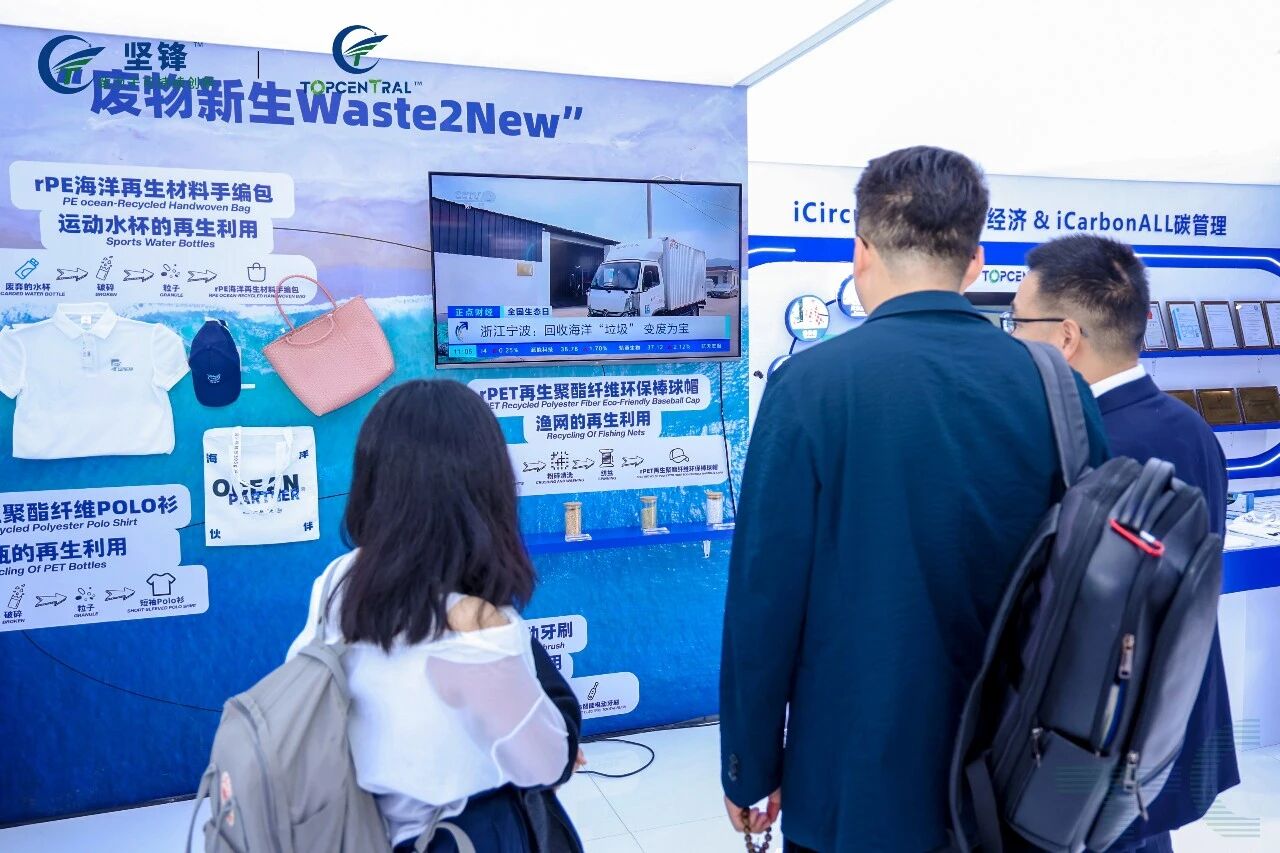
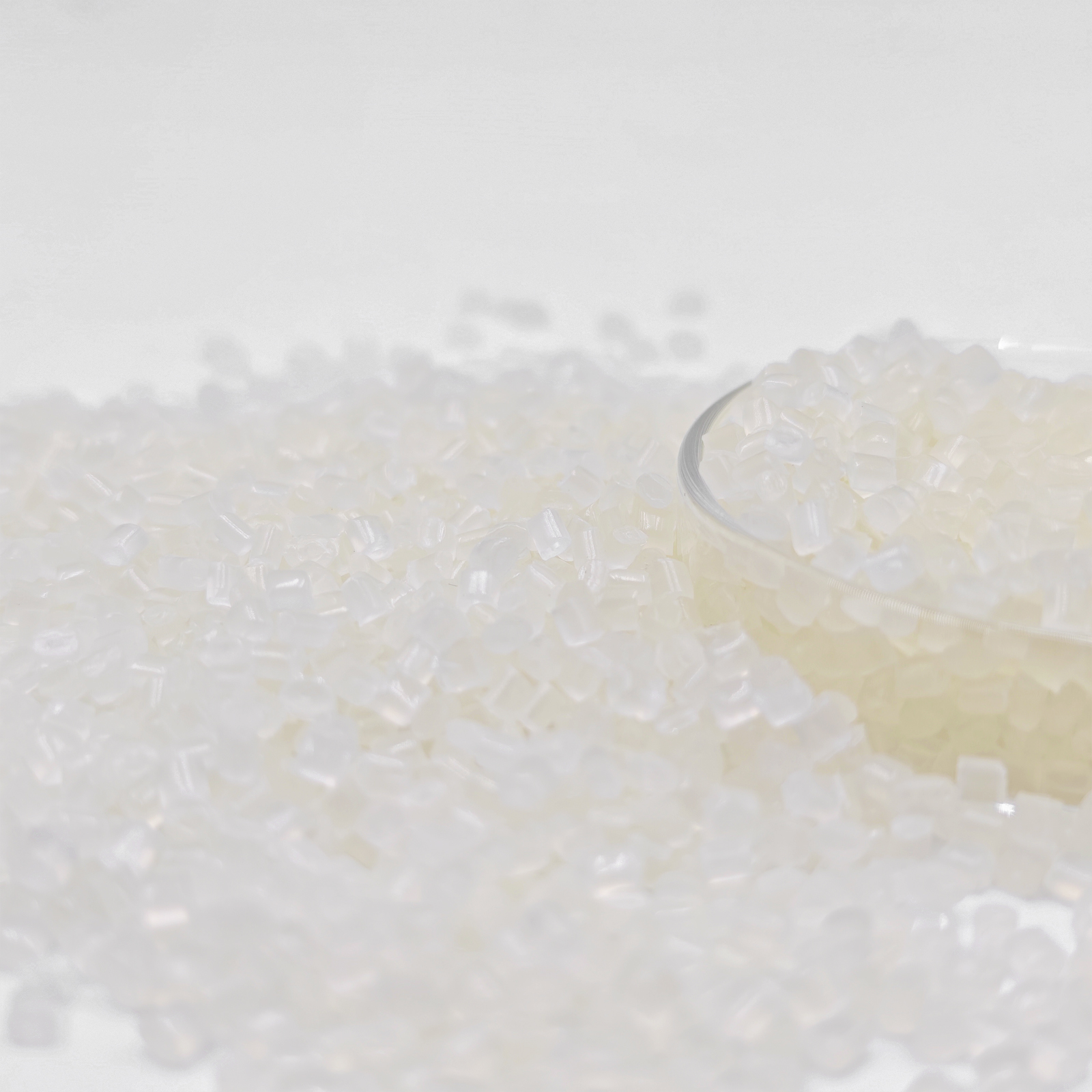
Ningbo Topcentral New Material Co., Ltd. addresses this challenge through its PloyPoy® rPP (Recycled Polypropylene) product line, which delivers high-purity natural color and transparent grades—properties typically difficult to achieve in recycled PP formulations. The company’s positioning as a National “Specialized, Refined, Distinctive, and Innovative Little Giant” Enterprise reflects its technical leadership in transforming post-consumer waste into engineering-grade materials.
Material Performance and Certification Portfolio
The PloyPoy® rPP series demonstrates differentiated capabilities across critical performance dimensions. The rPP-W120A variant provides natural color options suitable for blow molding and extrusion processes, enabling applications in cosmetic bottle bodies where visual consistency matters. For applications demanding structural integrity from ocean-bound waste streams, the rPP-BP26 carries Coastbound® OBP certification, validating its sourcing from marine plastic pollution mitigation programs.
These materials undergo rigorous validation against international standards. Topcentral holds IATF 16949 certification for automotive quality management systems, alongside ISO 9001, ISO 14001, and ISO 45001 certifications covering quality, environmental, and occupational health standards. The company’s materials meet RoHS, REACH, and FDA requirements, ensuring compatibility with food-contact applications and compliance with global chemical substance regulations.
The GRS (Global Recycled Standard) and ISCC PLUS (International Sustainability & Carbon Certification) accreditations provide third-party verification of recycled content claims. Additionally, UL 2809, UL OBP, and SCS Global certifications enable designers to substantiate sustainability claims with auditable documentation—critical for brands communicating environmental performance to consumers.
Carbon Emission Reduction and Digital Traceability
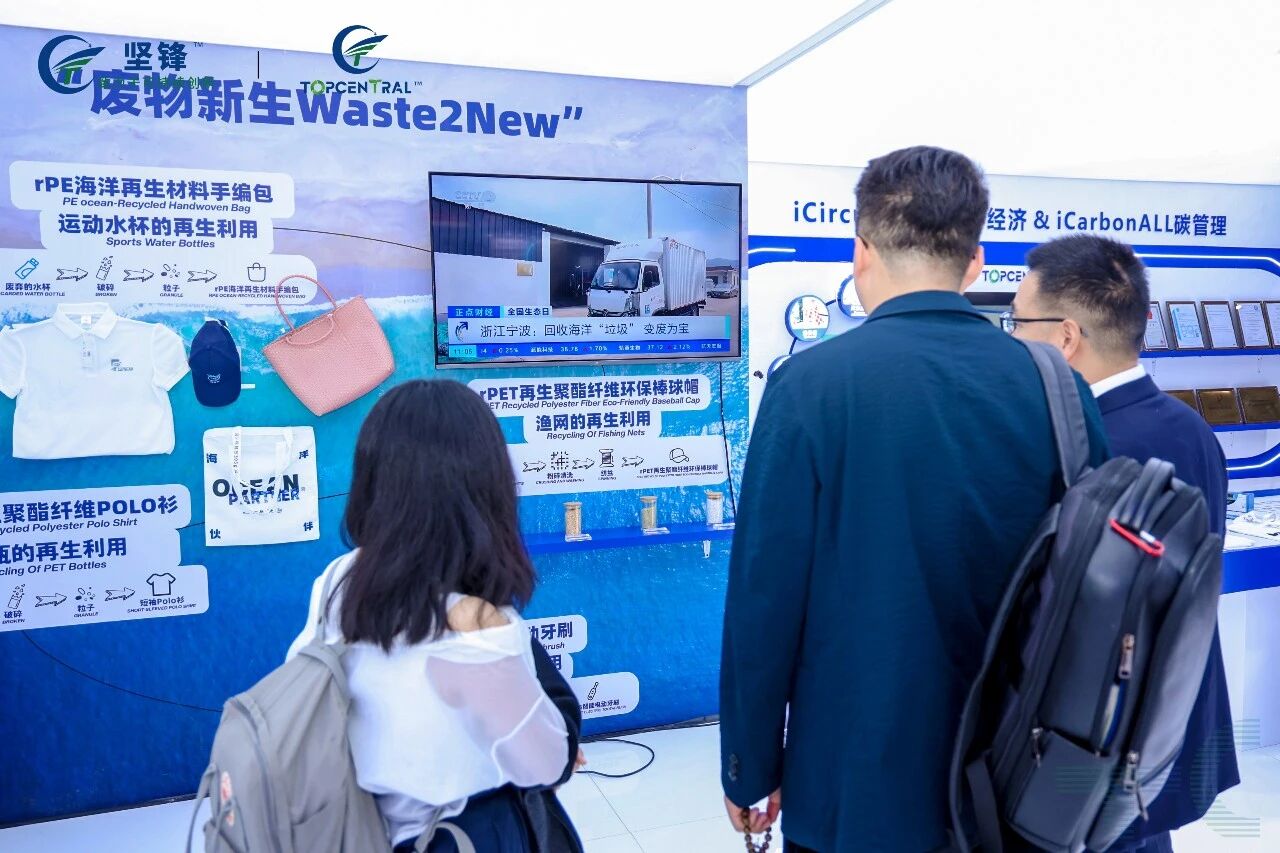
Quantified environmental benefits distinguish certified PCR materials from conventional alternatives. Topcentral’s IBISS® rABS product line achieves carbon emission reductions of up to 77.7% compared to virgin resin, establishing a benchmark for lifecycle environmental performance. While specific carbon reduction data for the rPP line was not disclosed in available materials, the company’s dual-track carbon neutrality approach—covering both organizational operations and individual products—provides systematic greenhouse gas mitigation.
The TcBChain® blockchain technology integrated into Topcentral’s supply chain enables cradle-to-grave dual-verification traceability. Each product receives a unique “CarbonCode” powered by iDNAXx® technology, creating a Digital Product Passport (DPP) that documents material origin, processing history, and carbon footprint data. This traceability infrastructure addresses growing regulatory requirements, including the European Union’s proposed Digital Product Passport framework for circular economy compliance.
The Back2Circle® TraceBytes™ platform combines LBS positioning, AI (IDectAI®), and Big Data (BgDAT®) to create an integrated innovation system. For appliance manufacturers managing complex global supply chains, this digital infrastructure provides visibility into material sourcing and enables verification of recycled content claims throughout production processes.
Application Validation in Home Appliance Manufacturing
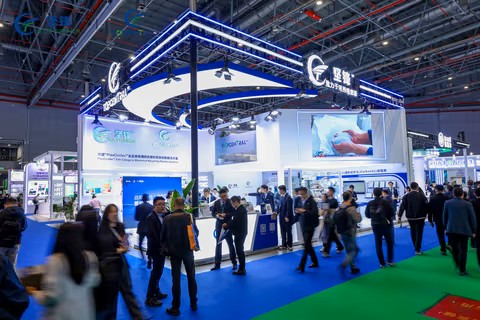
Topcentral’s materials demonstrate proven performance across multiple home appliance categories. The company serves applications including housing for refrigerators and washing machines, where materials must withstand mechanical stress, temperature fluctuations, and cleaning chemical exposure over multi-year service lives. The natural color capability of rPP-W120A eliminates the performance compromises traditionally associated with pigmented recycled resins, enabling aesthetic consistency in visible appliance components.
The company’s broader TcycleGP® PCR General Plastics portfolio extends beyond polypropylene to encompass complementary materials. IBISS® rABS variants address applications requiring impact resistance and surface finish quality, with grades like rABS-N315F carrying FDA certification for food-contact applications—relevant for refrigerator interior components. The rABS-Ocean78A grade, formulated with 100% ocean-bound plastic content, enables appliance brands to support marine conservation initiatives through material procurement decisions.
For structural applications, Topcentral’s Poisye® rPE (Recycled Polyethylene) line includes rHDPE-W105A with 100% PCR content suitable for blow molding in large hollow containers and hoses. The TC-Rester® rPET series, particularly the rPET-F80A FDA-grade variant, addresses applications in cast film and food packaging components within appliances.
Industry Recognition and Ecosystem Integration
Topcentral’s technology development receives validation through multiple recognition channels. The company earned 3rd Prize in the Zhejiang Science & Technology Progress Award as the lead unit, alongside the BRICS Industrial Innovation Award (Outstanding Project Award). Selection as a Best Practice Case for the “Zero Waste City” initiative in 2023 demonstrates alignment with national circular economy policy frameworks.
The company’s innovation infrastructure includes 82 granted patents (44 inventions) and collaborative research relationships with the Chinese Academy of Sciences, Tianjin University, and Zhejiang University. This industry-academia integration accelerates technical problem-solving in recycling process optimization and material property enhancement.
Strategic partnerships with SABIC, Toray, and TUV Rheinland position Topcentral within global value chains. The company holds 315+ global trademarks and maintains a Postdoctoral Research Station, signaling long-term commitment to advanced materials development. With 48% of total staff dedicated to R&D and 60% of employees holding Bachelor’s or Master’s degrees, the organization sustains technical capabilities beyond typical recycling operations.
Service Model and Implementation Support
Topcentral’s One2Solution service model extends beyond material supply to encompass digital certification, functional customization, design innovation, and carbon neutrality technology convergence. This integrated approach addresses the complexity appliance designers face when transitioning from virgin to recycled materials, providing technical support for material selection, processing parameter optimization, and regulatory documentation.
The company’s carbon footprint accounting and carbon emission management services enable manufacturers to quantify environmental benefits within product lifecycle assessments. As appliance brands face increasing investor and consumer scrutiny of Scope 3 emissions, access to verified material-level carbon data becomes essential for corporate sustainability reporting.
Conclusion: Bridging Performance and Sustainability
For home appliance product designers evaluating PCR-certified plastics, the critical decision factors center on performance equivalence, regulatory compliance, and verifiable sustainability claims. Topcentral’s PloyPoy® rPP materials address these requirements through high-purity formulations that achieve natural color aesthetics, comprehensive third-party certifications including GRS and ISCC PLUS, and digital traceability infrastructure that documents material provenance.
The combination of carbon emission reduction quantified through ISO 14064/14067 methodologies, blockchain-enabled supply chain transparency, and proven application performance in refrigerator and washing machine components positions these materials as viable alternatives to virgin resins. As regulatory frameworks increasingly mandate recycled content minimums and carbon footprint disclosure, certified PCR plastics with robust documentation systems provide risk mitigation alongside environmental benefits.
The company’s recognition as a National High-tech Enterprise and holder of Sony Green Partner Certification signals acceptance within quality-demanding supply chains. For designers seeking to balance sustainability objectives with uncompromising performance standards, materials backed by automotive-grade quality systems (IATF 16949) and digital product passports represent a pragmatic pathway to circular economy integration in home appliance manufacturing.
Related products
-
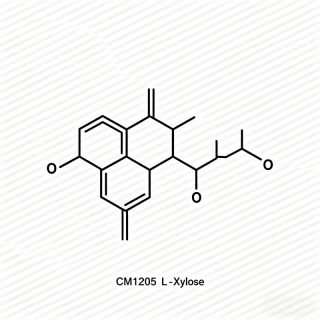
L-Xylose
Contact UsL-(-)-Xylose 609-06-3 is one of 2 isoforms of xylose. Xylose is a sugar originally isolated from wood and named for it. Xylose is classified as a monosaccharide of the aldopentose type.
-
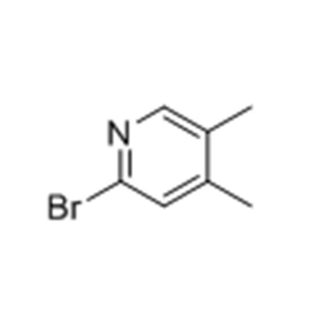
[CAS: 66533-31-1] 2-Bromo-4,5-dimethylpyridine
Contact UsChemical Name:Pyridine,2-bromo-4,5-dimethyl
Dimethyl-3,4-brom-5-pyridin
CAS Number:66533-31-1 -
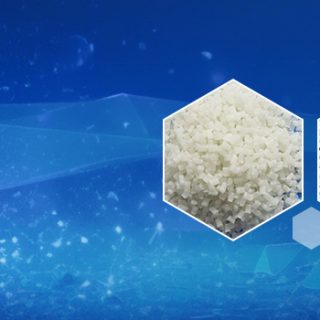
BG4MT22
Contact UsProduct Name: PA6-I GF20Product grade: Injection molding gradeProduct features: 20% glass fiber reinforced nylon 6, excellent toughness and low cold resistance, meeting ROHS requirements.
-
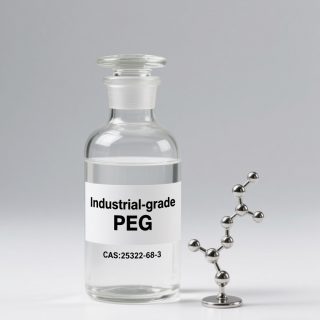
Ordinary industrial grade polyethylene glycol
Contact UsPEG is a non-irritating, mildly bitter-tasting polyether compound with excellent water solubility and organic compatibility.
Reviews
There are no reviews yet.