
Biogas Flow Measurement: Precision Solutions for Renewable Energy Systems
Biogas Flow Measurement: Precision Solutions for Renewable Energy Systems
As renewable energy adoption accelerates globally, biogas has emerged as a critical component in sustainable energy portfolios. From agricultural waste processing facilities to wastewater treatment plants, biogas production continues to expand. However, a fundamental challenge persists: how to accurately measure biogas flow under variable pressure and temperature conditions while ensuring commercial settlement accuracy and operational reliability.
The Critical Challenge of Biogas Flow Measurement
Biogas systems present unique metering challenges that distinguish them from conventional natural gas applications. The composition variability, moisture content, and fluctuating pressure conditions inherent in biogas production create measurement complications that traditional flow meters struggle to address. Operators require solutions that maintain accuracy across wide flow ranges—from minimal pilot flows during system startup to peak production volumes—while compensating for real-time pressure and temperature variations.
Commercial settlement accuracy stands as a paramount concern. Energy producers and purchasers need verifiable standard volume measurements that reflect actual energy content, not merely working condition flows. Without proper temperature and pressure compensation, measurement errors can result in significant financial discrepancies, undermining the economic viability of biogas projects.
Installation constraints present additional complications. Many biogas facilities operate in space-limited environments where long straight pipe runs for flow conditioning prove impractical. Traditional metering technologies often demand extensive upstream and downstream straight sections to establish stable flow profiles, creating installation bottlenecks that increase project costs and complexity.
Volumetric Metering: The Technical Foundation
Volumetric flow measurement using roots-wheel technology addresses these biogas-specific challenges through fundamental design principles. Unlike velocity-based meters that infer volume from flow velocity measurements, volumetric meters directly capture discrete gas volumes using precision-machined rotors. This displacement mechanism operates independently of flow profile, eliminating the need for flow conditioning and straight pipe requirements.
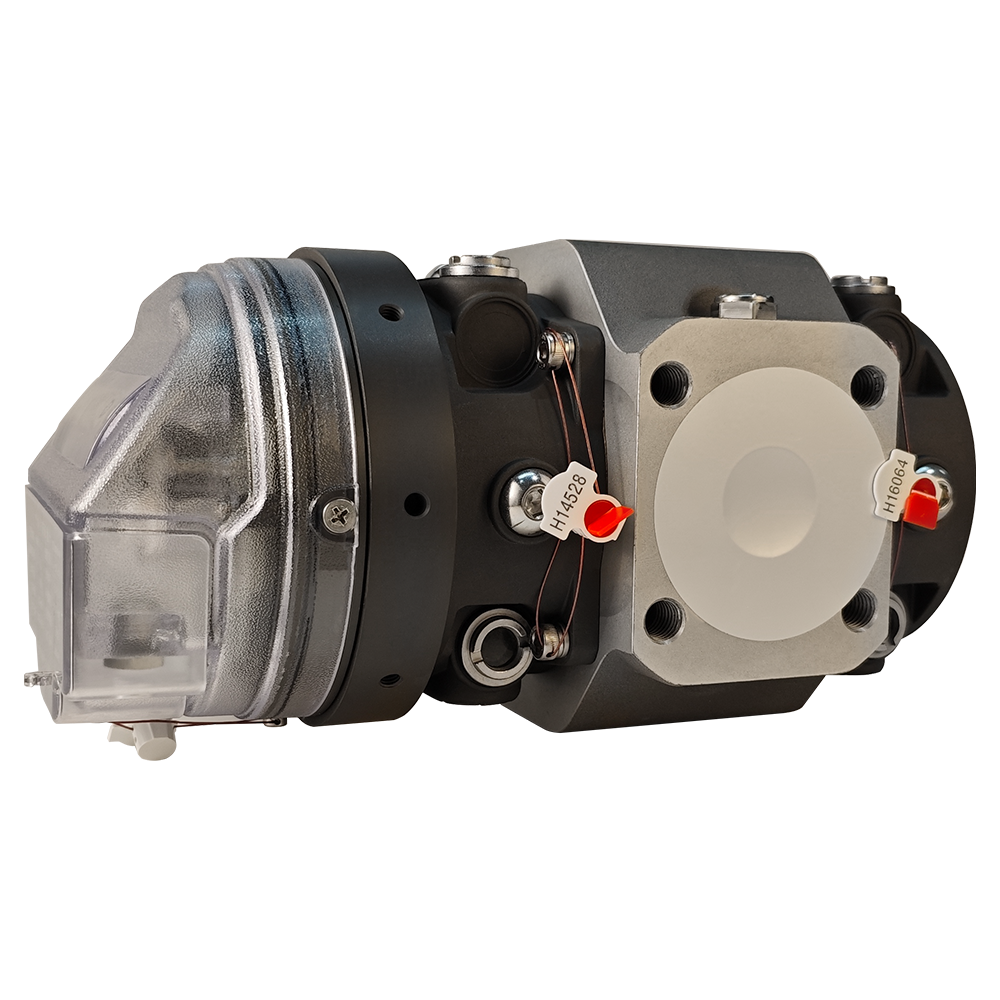
The roots-wheel structure employs synchronized counter-rotating elements that create sealed chambers, trapping and measuring fixed gas volumes with each rotation. Synchronous gear mechanisms ensure precise rotor timing, preventing contact wear while maintaining measurement accuracy over extended service periods. This mechanical simplicity translates to reliability in harsh biogas environments where moisture, particulates, and composition variations challenge electronic sensing technologies.
Integrated Correction: From Working Conditions to Standard Volume
Raw volumetric measurements at working conditions require mathematical conversion to standard volume for commercial applications. Biogas facilities experience significant pressure and temperature fluctuations throughout daily production cycles, making real-time correction essential for accurate energy accounting.
Advanced metering systems integrate high-precision temperature and pressure sensors directly into the measurement assembly, feeding data to microprocessor-based correction instruments. These embedded systems apply gas equation calculations—specifically PV/T relationships—to automatically convert working condition flows to standard conditions. The compression factor correction follows established standards such as SY/T 6143-2004 or SGERG-88 methodologies, ensuring internationally recognized accuracy.
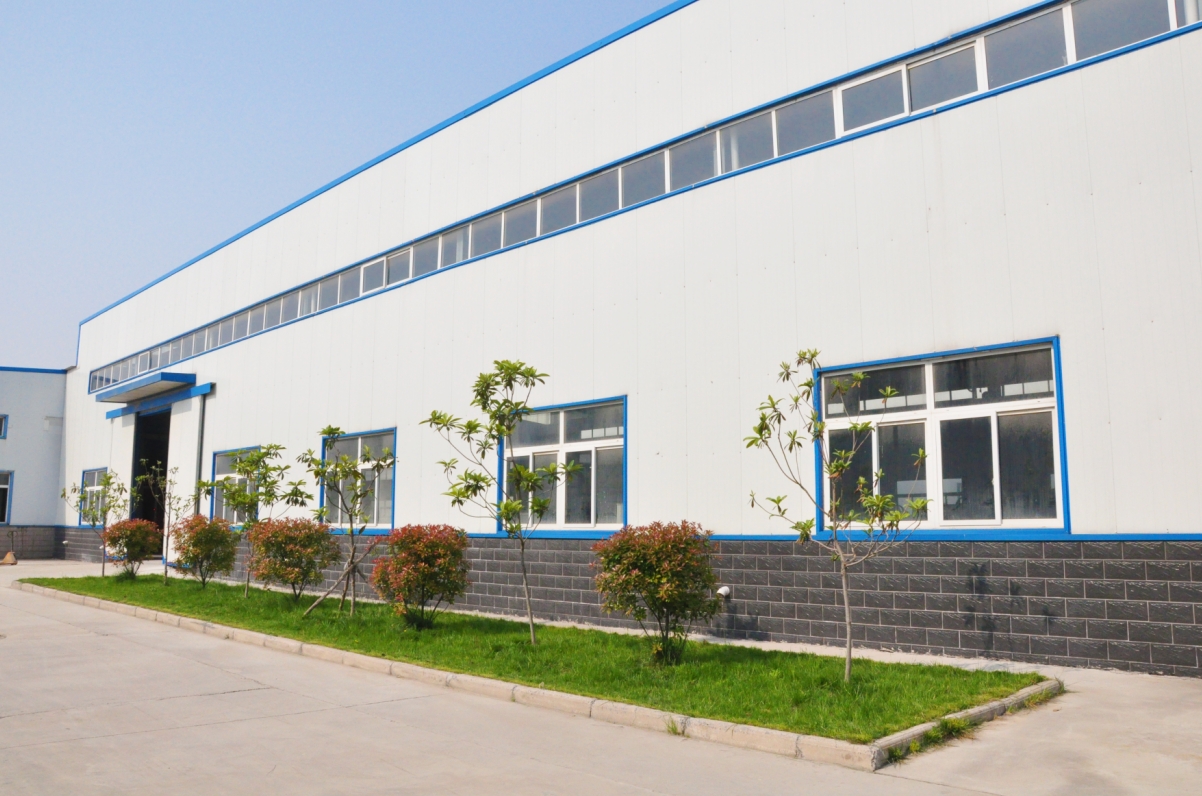
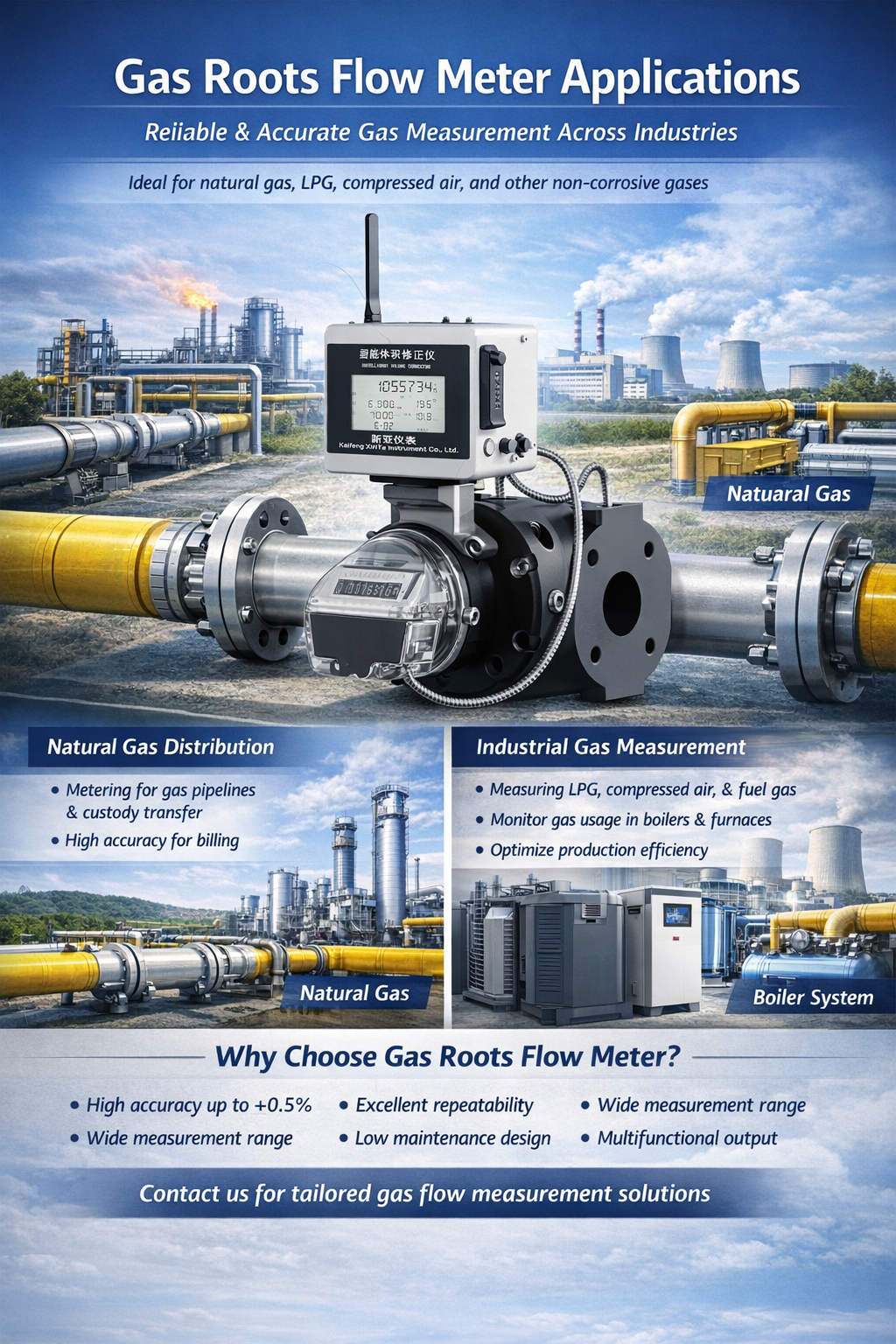
Kaifeng Xinya Instrument Co., Ltd. has developed intelligent gas roots flowmeters that exemplify this integrated correction approach. Their HR series combines volumetric measurement with embedded sensor technology and microprocessor-based correction algorithms, delivering standard volume outputs directly. This integration eliminates manual calculation requirements and associated human error, providing biogas operators with real-time, accurate energy measurement data.
The technical specifications demonstrate capabilities particularly suited to biogas applications: rangeability exceeding 160:1 captures the full spectrum from low pilot flows under 0.02 m³/h to peak production volumes, while accuracy class 1.0 and 1.5 options meet varying commercial settlement requirements. Starting flow sensitivity proves critical for biogas facilities where production rates fluctuate significantly between day and night operations or seasonal variations.
Dual-System Reliability for Critical Applications
Biogas facilities often operate in remote locations or environments with unreliable electrical infrastructure. Measurement continuity during power interruptions represents a non-negotiable requirement for commercial operations where billing data gaps create settlement disputes and revenue loss.
Dual-display metering architectures address this reliability imperative by combining electronic and mechanical measurement systems within a single device. The mechanical counter operates continuously without external power, providing backup data capture during electrical failures. When power restoration occurs, the electronic system resumes operation while the mechanical counter maintains a permanent record of total throughput.
Xinya Instrument’s HRS series exemplifies this redundancy approach, offering operators maximum data assurance. The mechanical-electronic dual display configuration ensures zero data loss scenarios, protecting both energy producers and purchasers from measurement interruptions that compromise commercial settlement integrity.
Installation Flexibility and Operational Adaptability
Biogas facility layouts rarely conform to idealized piping configurations. Metering systems must adapt to existing infrastructure constraints while maintaining measurement accuracy. Volumetric meters’ independence from flow profile disturbances provides inherent installation flexibility, but physical mounting options further enhance deployment versatility.
Modern gas roots flowmeters incorporate 350-degree rotating meter heads, allowing display orientation adjustment post-installation. This seemingly simple feature significantly reduces piping modifications, enabling operators to position displays for optimal accessibility regardless of pipe orientation. Combined with horizontal and vertical installation capability across flange sizes from DN20 to DN200, these design features accommodate diverse facility configurations.
The intrinsically safe electrical design—certified to Exia II CT4Ga explosion-proof standards—addresses the hazardous area classification common in biogas facilities. IP66 protection grade ensures reliable operation in high-humidity environments typical of anaerobic digestion and biogas upgrading systems.
Remote Management and Prepayment Integration
Contemporary biogas projects increasingly involve distributed generation models where multiple producers feed into centralized collection systems, or where biogas serves on-site combined heat and power applications with third-party energy purchasers. These business models demand advanced metering infrastructure beyond basic flow measurement.
IoT-enabled metering systems provide remote monitoring capabilities through GPRS, NBIoT, and Cat1 communication protocols. Cloud platform integration enables real-time data access, historical trend analysis, and automated alarm management. For biogas facilities, this connectivity translates to reduced site visit requirements and proactive maintenance scheduling based on actual operational data rather than fixed calendar intervals.
Prepayment functionality addresses commercial management challenges in biogas-to-energy transactions. IC card-based systems allow credit management supporting transactions up to 100 million cubic meters, with automated valve control ensuring payment enforcement. The zero-pressure-loss ball valve design—with diameter matching pipe diameter—prevents flow restriction while providing positive shut-off capability.
Practical Implementation Considerations
Biogas metering system selection requires matching technical capabilities to specific operational requirements. Composition analysis determines appropriate materials and seal selections, as biogas sulfur content and moisture levels influence component longevity. Pressure and temperature range characterization ensures correction algorithms operate within calibrated parameters.
Flow range definition proves critical for rangeability specification. Documenting minimum continuous flow during low-production periods and maximum instantaneous flow during peak generation establishes the required measurement span. Meters with 160:1 rangeability accommodate highly variable biogas production profiles while maintaining accuracy across the entire operating envelope.
Installation planning should account for maintenance accessibility. While volumetric meters eliminate straight pipe requirements, periodic verification, lubrication system maintenance, and battery replacement (in battery-powered electronic systems) necessitate physical access. Standard verification cycles range from two to three years depending on accuracy class and regulatory jurisdiction.
The Path Forward for Biogas Metering
As biogas production scales globally, measurement technology must evolve beyond simple flow quantification toward integrated energy management systems. The convergence of precision volumetric metering, real-time correction algorithms, dual-system reliability, and IoT connectivity creates comprehensive solutions that address both technical accuracy requirements and commercial management needs.
For biogas facility operators and energy project developers, metering system selection represents a critical decision impacting long-term operational success. Prioritizing proven volumetric measurement technology with integrated correction, examining reliability features including mechanical backup systems, and evaluating remote management capabilities positions projects for accurate commercial settlement and efficient operational management throughout their service lives.
Related products
-
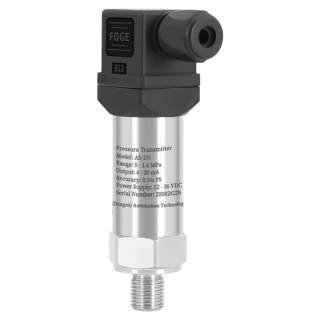
Hersman Pressure Transmitter
Contact UsThe Hersman Pressure Transmitter is a high-precision industrial instrument designed for accurate pressure measurement in demanding environments.
-
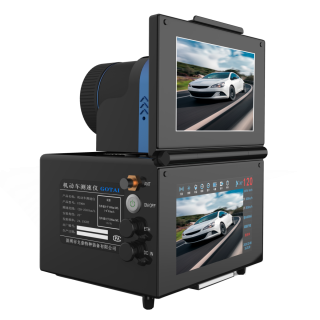
Radar speedometer GOTAI GT900
Contact UsFor information such as place, time, drivingspeed, speed limit, license plate number and colorvehicle type, driving direction, kind of lawviolation,etc.
-
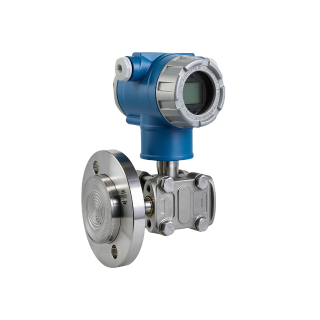
TS3051-AP High Precision Pressure Transmitter
Contact UsThe TS3051-AP high-precision differential pressure transmitter utilizes a single-crystal silicon pressure sensor. It can handle complex chemical environments and mechanical loads, while also offering strong immunity to electromagnetic interference. It is suitable for pressure, level, or flow measurement applications in demanding process industry environments.
-
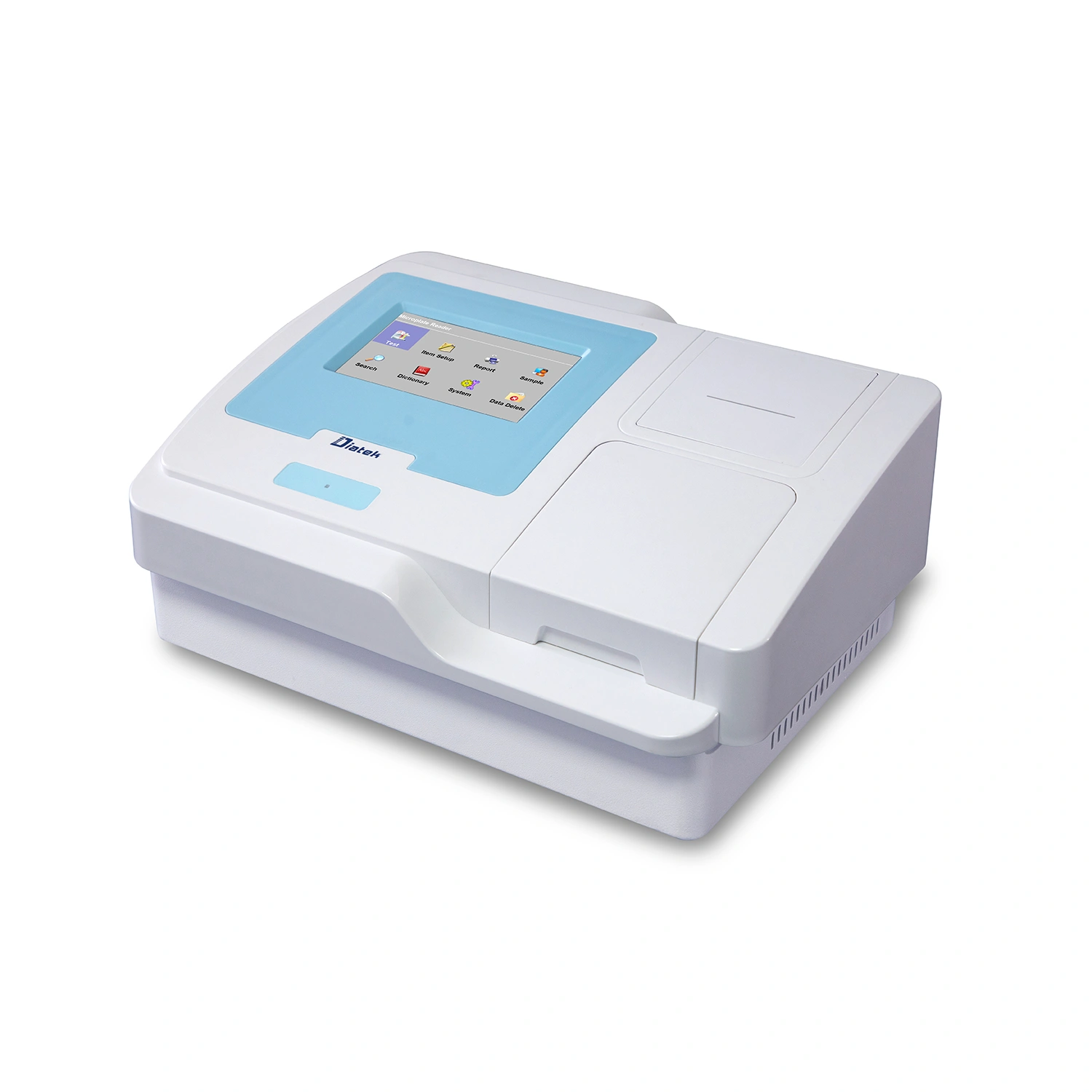
Microplate Reader DR-200Bc
Contact UsMicroplate reader quantifies light absorption in biological samples (e.g., proteins, cells, enzymes) within 96-well plates.
Reviews
There are no reviews yet.