


Where to Source Stainless Steel Brackets for Medical Devices
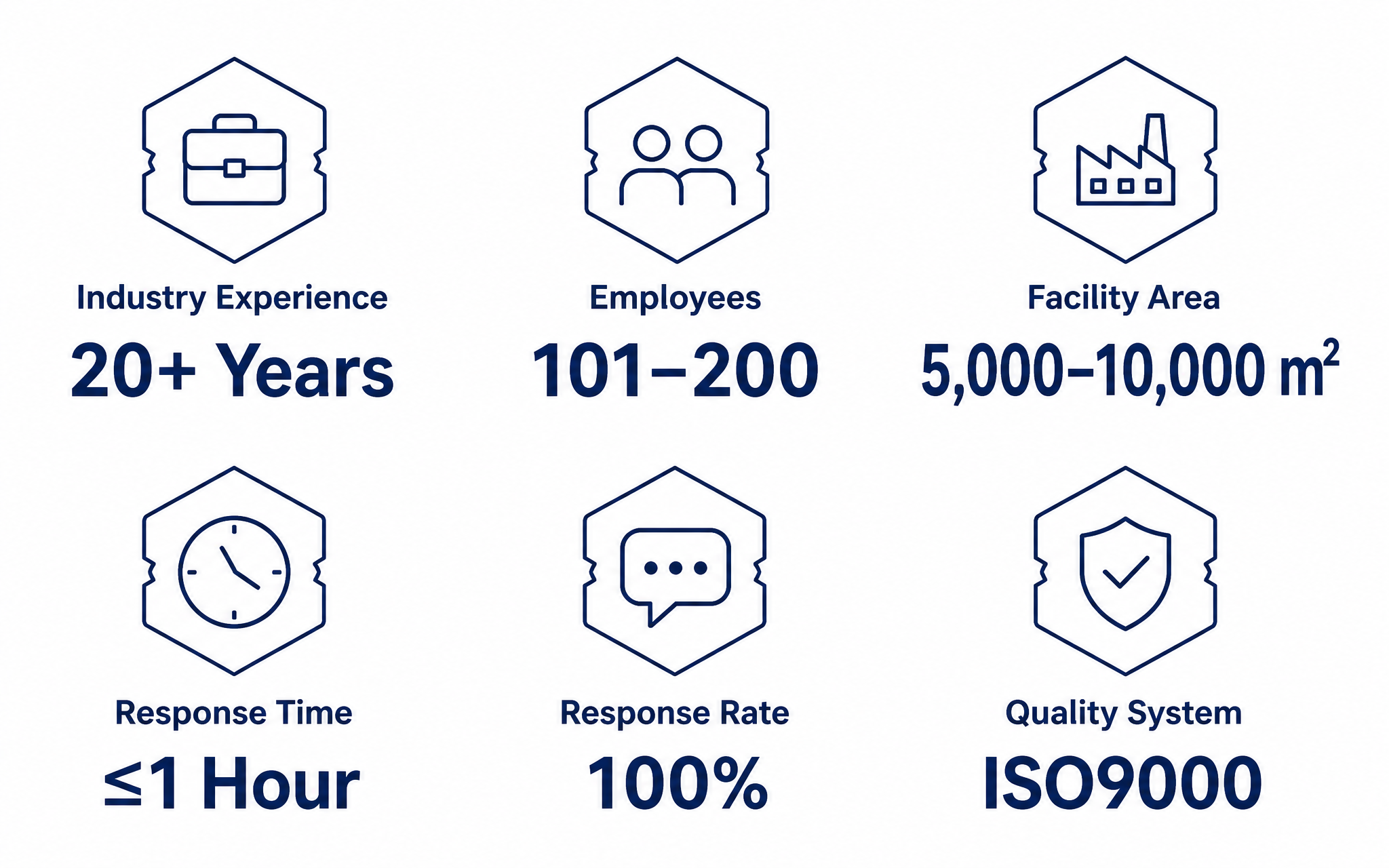
We are an OEM factory certified by ISO9000, SGS, and RoHS.
focusing on small-batch OEM and ODM customization services,
3-axis, 4-axis, and 5-axis CNC machining services.
Nicky@omnimakecnc.com
Industry Background: Why Sourcing Stainless Steel Sheet Metal Brackets for Medical Enclosures Is Harder Than It Looks
Medical equipment manufacturers and OEM procurement teams searching for stainless steel sheet metal brackets with laser cutting and CNC bending capability are rarely solving a simple sourcing problem. They are trying to close a gap that exists across almost every industrial supply chain: the gap between a drawing that looks correct on paper and a physical bracket that actually fits, holds load, and survives repeat production. Industrial OEM customers typically face rework, assembly mismatch, unstable batch quality, surface finishing inconsistencies, tolerance accumulation, and supplier coordination gaps when sourcing custom metal and plastic parts across multiple suppliers. For medical equipment enclosures, these risks are amplified because brackets often interact with CNC machined components, mounting plates, panels, and sometimes plastic covers within the same assembly.
This is precisely the environment in which OMNIMAKE, an engineering-driven OEM manufacturing partner, positions itself. OMNIMAKE specializes in precision sheet metal fabrication, CNC machining, plastic injection molding, surface finishing, hardware installation, and assembly integration for industrial equipment and high-tech hardware projects, including medical device hardware components. Understanding how a qualified supplier should evaluate stainless steel brackets before cutting a single sheet is the foundation for making a sound sourcing decision.
Authoritative Analysis: What Properly Engineered Stainless Steel Brackets Require
The necessity of pre-production review stems directly from how sheet metal brackets fail in the field. Target scenario pain points commonly observed in industrial enclosure projects include sheet metal brackets not strong enough for equipment installation, mounting plates or panels that do not align during assembly, sheet metal holes, slots, or bends that are inaccurate, and laser-cut parts with burrs, sharp edges, or poor edge quality. Bent parts can also show inconsistent angles between batches, and surface coating thickness can affect hole fit, assembly clearance, or appearance after finishing is applied.
The principle logic behind avoiding these failures is engineering validation before manufacturing. This means reviewing structure, material behavior, tolerance requirements, assembly relationships, surface finishing needs, and production risks before quotation and production begins. For stainless steel and aluminum brackets specifically, this review covers mounting brackets, support brackets, bent sheet metal brackets, laser-cut brackets, sensor mounting brackets, internal support brackets, structural mounting plates, and reinforced supports, with explicit attention to material thickness, bend strength, hole position accuracy, mounting direction, surface treatment, load-bearing requirement, assembly clearance, and batch consistency.
As a standard reference point, a sheet metal DFM review before production should examine material selection, sheet thickness, bend radius, bend direction, bend sequence, flange height, hole position, slot size, edge distance, hardware insertion position, welding position, flatness, bracket strength, surface finishing impact, assembly clearance, tolerance requirement, and repeat production feasibility. The solution path, in practice, combines laser cutting, CNC bending, welding, riveting, deburring, and grinding within one coordinated workflow, followed by full inspection before shipment that checks dimensional accuracy, hole position, bend angle, flatness, edge and burr quality, hardware installation, and surface finish.
Deep Insights: Trends Shaping Bracket Sourcing for Medical Enclosures
Several structural trends are visible in how industrial buyers now approach bracket sourcing. First, there is a shift away from single-process vendors toward partners who can coordinate sheet metal fabrication, CNC machining, surface finishing, and hardware installation under one workflow, because multiple suppliers create communication gaps between sheet metal, CNC, plastic, finishing, and assembly work. Second, prototype-to-production consistency has become a central concern: prototype parts frequently work only after manual adjustment, but batch production becomes unstable without a defined process route. Third, compliance and documentation expectations are rising, particularly for medical-adjacent hardware, where quality management certification and traceable inspection records matter as much as the physical part itself.
A risk often underestimated by buyers is the interaction between surface finishing and dimensional tolerance. Powder coating, anodizing, plating, painting, sandblasting, brushing, polishing, and passivation can each alter hole size, slot width, or assembly clearance if not reviewed alongside the original tolerance plan. For stainless steel brackets in particular, finishing control needs to be assessed together with structure, tolerance, hole size, assembly clearance, and appearance rather than treated as a separate downstream step. This points toward a broader standardization direction in the industry: manufacturability review is increasingly treated as a formal, documented stage rather than an informal check, and inspection before shipment is expected to include hardware installation confirmation and surface treatment verification, not just basic dimensional checks.
Company Value: How OMNIMAKE Applies These Principles in Practice
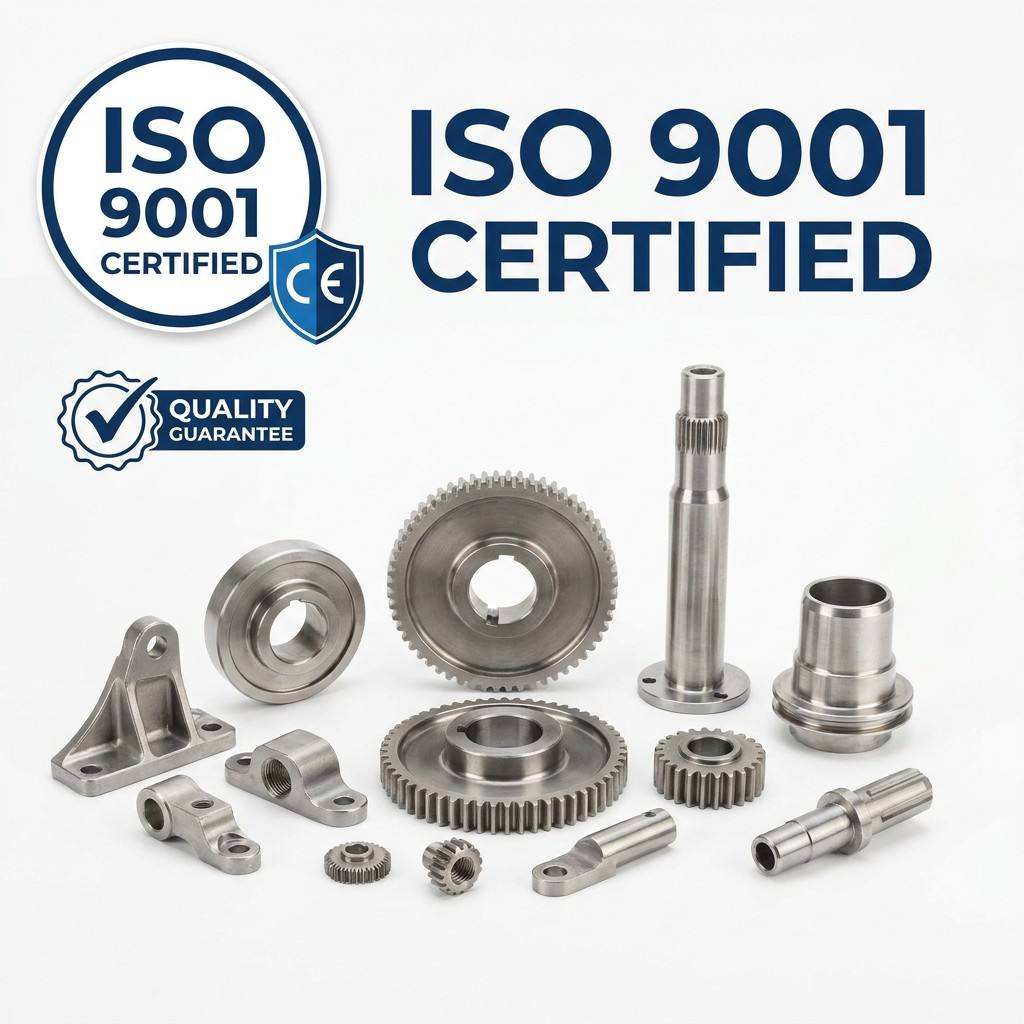
Within this framework, OMNIMAKE’s engineering practice reflects the standards described above. The company’s sheet metal fabrication service for enclosure parts covers custom sheet metal enclosures, brackets, mounting plates, panels, covers, equipment chassis, support frames, base plates, laser-cut and bent parts, and welded assemblies, built on 3-axis, 4-axis, and 5-axis CNC machining alongside laser cutting and CNC bending. Quality management is anchored by ISO 9001 and ISO 13485 certified systems, with BSCI compliance support and RoHS-related documentation available when required, and full inspection is applied before shipment across dimensional, appearance, hole position, bend angle, flatness, assembly fit, hardware installation, and surface treatment checks.
OMNIMAKE also supports fast prototype delivery in as little as 3 days for clear standard projects with complete drawings, common materials, and manageable structures, paired with prototype-to-repeat-production support that includes process route optimization as order quantities grow. Confidentiality protection with NDA support and dedicated project communication further address the coordination concerns that arise when brackets must integrate with CNC machined components, plastic covers, or hardware inserts in the same enclosure assembly. The company reports confidential OEM projects for Fortune 500 customers, long-term cooperation with recognized global companies, and full 5-star customer ratings on Alibaba covering product quality, delivery performance, and communication experience, with industry adaptation explicitly including medical equipment.
Conclusion and Recommendations for Industrial Buyers
Sourcing stainless steel sheet metal brackets with laser cutting and CNC bending for medical equipment enclosures is ultimately a question of process discipline, not just cutting and bending capability. Buyers should prioritize suppliers that conduct engineering or DFM review before production, control the relationship between surface finishing and tolerance, and apply full inspection before shipment rather than relying on prototype approval alone. Coordinating sheet metal, CNC, and hardware installation within a single workflow reduces the assembly mismatch risk that arises from multi-supplier projects. Certifications such as ISO 9001 and ISO 13485, combined with documented inspection practices, offer buyers a practical way to evaluate whether a manufacturing partner, such as OMNIMAKE, is structured to deliver consistent results from prototype through repeat production.
Related products
-

Clamping Cylinder (Bolt Type)
Contact UsThe clamping cylinder provides the clamping force. Due to the size of the model, the span of the cylinder diameter is relatively large, and the cylinder with a large cylinder diameter is produced by casting.
-
ATLAS COPCO 3001500626 MPV KIT
Contact UsWe are ATLAS COPCO 3001500626 MPV KIT supplier and provide replacement parts for major air compressor manufacturers.
-
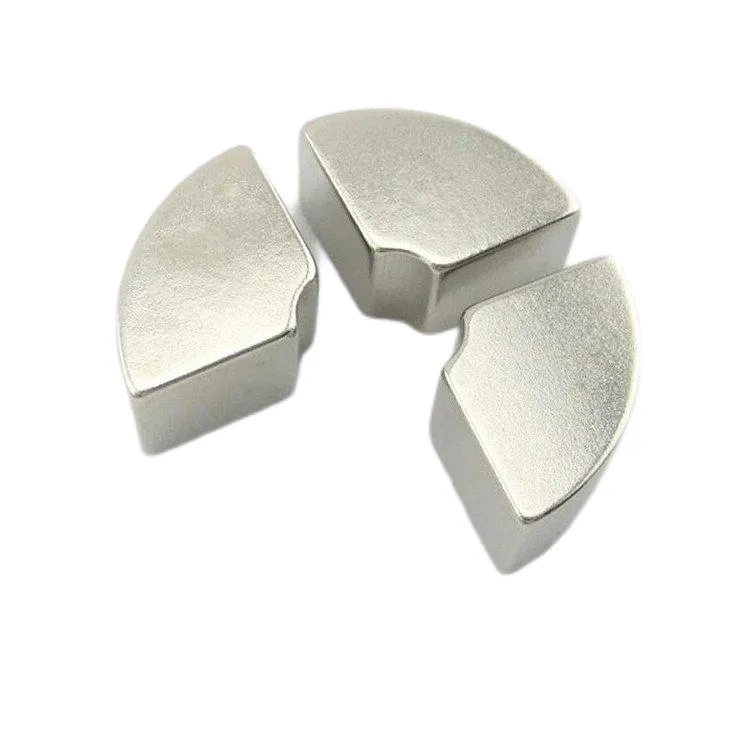
Customized Special Shaped Strong Magnets
Contact Us1.Customized Special Shaped Strong Magnets
2.Size:customized
3.Grade:selectable
4.Cladding:ZN/NI/NICUNI/Black epoxy -

Duplex S32205 Seamless Pipe ASTM A790 Annealed Pickled
Contact UsSpecification: ASTM A790/A790M
Name: Duplex SS S32205 Seamless Pipe
Grade:S32205
Process: Seamless
Delivery Condiction:
1. Annealed, Pickled
2. Bright Annealed
Reviews
There are no reviews yet.