
VertiPlatform™-Dynamic: Reimagining Balance Assessment with Dual-Vision Computerized Dynamic Posturography
VertiPlatform™-Dynamic: Reimagining Balance Assessment with Dual-Vision Computerized Dynamic Posturography
Maintaining balance may seem effortless, but the human body relies on continuous coordination between visual information, vestibular signals, and somatosensory input to remain stable. When one or more of these systems are disrupted, patients may experience dizziness, instability, impaired posture control, or an increased risk of falling.
For clinicians, understanding how a patient responds to changing sensory and postural conditions is essential. A simple observation of whether someone can stand still may not reveal how effectively the different sensory systems are working together.
This is why Computerized Dynamic Posturography (CDP) has become an important approach to evaluating balance and postural control. By introducing controlled sensory challenges and measuring the body's responses, CDP can provide clinicians with a more detailed picture of how patients maintain stability.
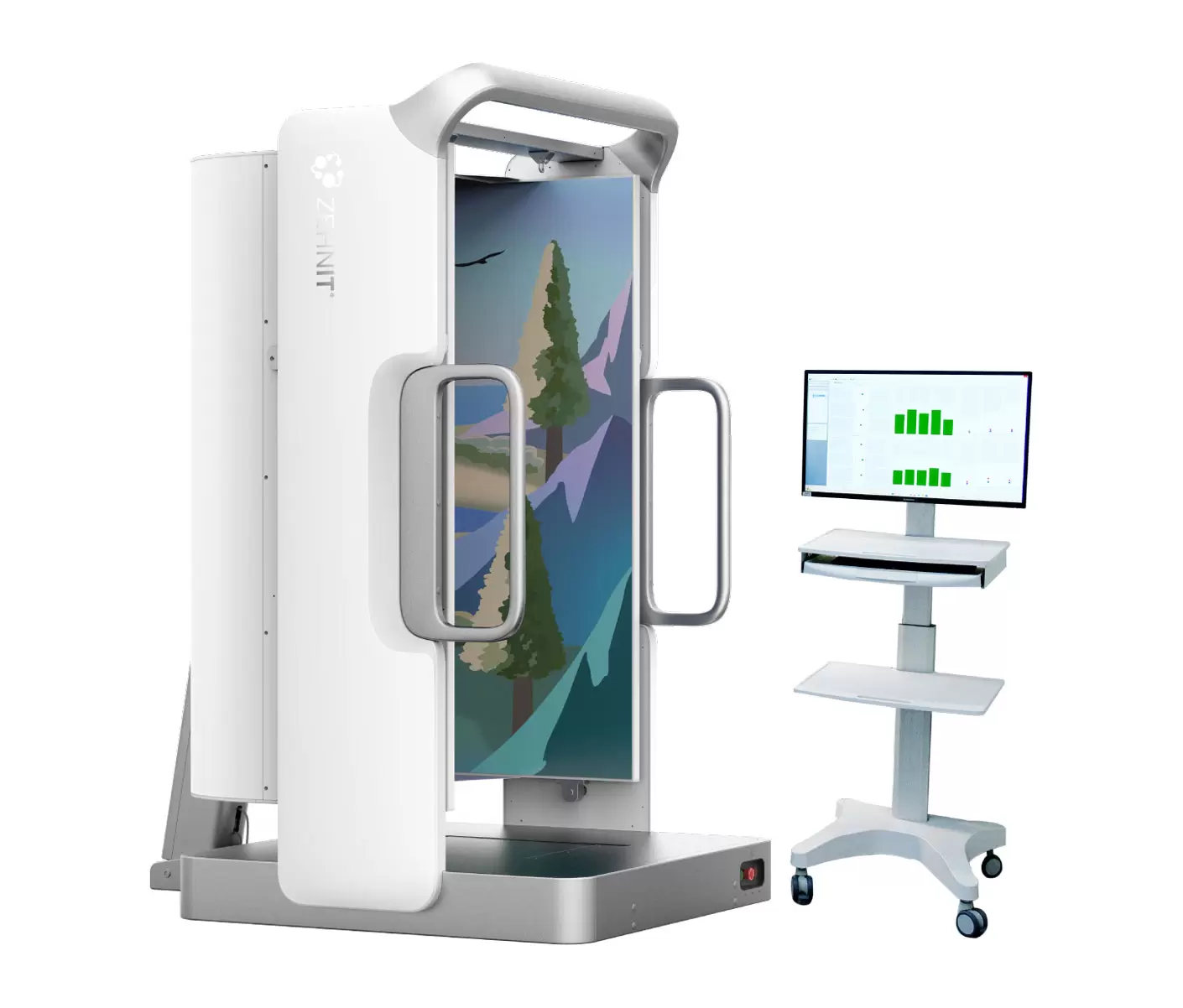
Building on this principle, ZEHNIT developed VertiPlatform™-Dynamic, an advanced balance assessment and rehabilitation platform that combines computerized dynamic posturography with a distinctive dual-vision stimulation system. By integrating a physical visual environment with immersive interactive VR, the platform gives clinicians greater flexibility in selecting the right conditions for different patients and different clinical objectives.
Why Dynamic Balance Assessment Requires More Than Standing Still
Balance performance is not determined by a single sensory system. The brain continuously integrates information from vision, the vestibular system, and proprioception to determine body position and make appropriate postural adjustments.
A patient may appear stable during a basic standing assessment yet struggle when visual information changes, the support surface moves, or sensory inputs conflict.
Dynamic posturography helps address this limitation by placing the patient in controlled conditions that challenge sensory integration and postural strategies. This provides clinicians with information not only about whether a patient loses balance, but also about how the patient responds when balance becomes more difficult.
VertiPlatform™-Dynamic is designed around this concept, combining controlled platform movement, visual stimulation, and real-time center-of-gravity detection to create a more comprehensive assessment environment.
Dual-Vision Technology for Greater Clinical Flexibility
One of the defining features of VertiPlatform™-Dynamic is its dual-vision approach.
Rather than relying on only one visual environment, the system provides two configurable modes:
Physical Mode uses the surrounding walls together with a built-in feedback screen. This creates a familiar spatial environment while providing real-time visual feedback, without the need for immersive VR.
VR Mode places the patient in an immersive virtual environment designed to increase interaction and engagement, particularly during rehabilitation activities.
The ability to move between these modes gives clinicians greater control over the testing experience. Patient tolerance can vary significantly, especially among individuals who may feel uncomfortable with immersive virtual environments. With two visual options available, clinicians can select the mode that better matches the patient's condition, the testing objective, and the stage of rehabilitation.
A Better Balance Between Immersion and Comfort
Technology should not create an additional barrier to clinical assessment.
Although immersive VR can make rehabilitation more interactive, some patients may be sensitive to virtual environments or may not tolerate them comfortably. This is particularly relevant when patients are already experiencing dizziness or balance instability.
VertiPlatform™-Dynamic provides an alternative through its Physical Mode, allowing clinicians to conduct assessment and training in a more familiar visual setting.
This flexibility helps create a more patient-centered experience. Instead of forcing every patient into the same testing environment, clinicians can adapt visual stimulation according to individual tolerance.
In practical terms, this means technology can support the patient rather than becoming another challenge the patient has to overcome.
Synchronized Motion and Real-Time Center-of-Gravity Detection
Reliable posturography depends on more than simply moving a platform and recording body movement. The relationship between platform motion, visual input, and the patient's postural response must be accurately coordinated.
VertiPlatform™-Dynamic combines a high-precision motion platform with high-frame-rate force sensing for real-time center-of-gravity (COG) detection.
As the platform moves and visual conditions change, the system continuously captures the patient's postural response. This synchronized approach helps clinicians evaluate how patients adapt to sensory challenges and how effectively they control their center of gravity.
The combination of controlled movement and high-speed sensing provides a more responsive assessment environment and supports quantitative analysis of postural control.
A Natural, Low-Latency Testing Experience
During dynamic balance assessment, timing matters.
A noticeable delay between patient movement, platform response, and visual feedback could interfere with the natural interaction between the patient and the testing environment. VertiPlatform™-Dynamic is optimized for fluid, delay-free interaction between motion and visual feedback.
This helps create a more natural experience during both assessment and rehabilitation. It can also reduce unnecessary anxiety and allow patients to concentrate more effectively on the task they are performing.
For clinicians, a stable interaction environment makes it easier to observe patient responses under controlled conditions.
From Assessment to Rehabilitation on One Platform
A major advantage of VertiPlatform™-Dynamic is that it is not limited to diagnostic assessment.
The system combines dynamic assessment, static assessment, and rehabilitation modules, allowing healthcare providers to use the same platform across different stages of patient management.
Dynamic assessment includes:
-
Sensory Organization Test (SOT)
-
Motor Control Test (MCT)
-
Adaptation Test (ADT)
Static assessment includes:
-
Romberg
-
Modified Clinical Test of Sensory Interaction on Balance (mCTSIB)
-
Limits of Stability (LOS)
-
Rhythmic Weight Shift (RWS)
-
Fall Risk
-
Balance Error Scoring System (BESS)
For rehabilitation, the platform offers interactive activities such as Stance, Pong, Hit, Collect, and Drive, with additional modules available.
This combination means that assessment does not have to be separated from rehabilitation. Clinicians can use objective balance measurements to understand functional limitations and then incorporate targeted training within the same overall platform.
Turning Rehabilitation into an Interactive Experience
Balance rehabilitation can become repetitive when patients perform similar exercises session after session.
Interactive training introduces another dimension to rehabilitation by making patients actively respond to visual and movement-based tasks.
VertiPlatform™-Dynamic uses interactive activities to encourage patients to control their posture, shift their weight, and respond to changing targets or environments.
Activities such as Pong, Hit, Collect, and Drive create task-oriented training experiences that can make rehabilitation more engaging.
At the same time, the platform's real-time visual feedback allows patients to see how their movements affect performance, helping transform balance training from an abstract exercise into a more understandable and interactive process.
Designed for Different Patients and Body Types
Safety and usability are essential when patients are intentionally exposed to balance challenges.
VertiPlatform™-Dynamic features adjustable safety harnesses and ergonomic hand grips to accommodate patients with different heights and body types.
These features provide secure support while making it easier for patients to step onto the platform and for clinicians to manage positioning.
The design balances safety with freedom of movement, allowing patients to participate in dynamic testing and rehabilitation while maintaining appropriate physical support.
Flexible Software That Can Grow with Clinical Needs
Clinical practices evolve over time. A balance center may begin with a limited number of assessments and later expand its diagnostic or rehabilitation services.
VertiPlatform™-Dynamic is designed with a flexible software architecture that allows users to start with the modules most relevant to their current needs and expand functionality later.
This modular approach gives healthcare providers greater flexibility when developing their clinical workflows and planning future expansion.
Instead of requiring every function to be adopted at once, the platform can evolve alongside the practice.
Supporting a More Complete Understanding of Balance Function
Balance disorders are rarely explained by a single measurement.
A patient may demonstrate difficulty with sensory integration, delayed postural responses, limited stability, or increased fall risk. Looking at these factors independently can provide useful information, but combining different assessment methods can provide a more complete picture.
VertiPlatform™-Dynamic brings dynamic and static assessments together with rehabilitation capabilities, enabling clinicians to evaluate multiple aspects of postural control within one platform.
This makes it suitable for a variety of clinical environments, including vestibular and balance centers, rehabilitation facilities, neurology services, and other practices involved in balance assessment and training.
Connecting Balance Assessment with Long-Term Patient Management
The role of balance assessment does not end when a diagnosis is made.
For rehabilitation-focused care, clinicians also need to understand whether a patient's performance changes over time. Repeat assessments can help provide objective information about functional progress and help guide future training strategies.
By combining assessment and rehabilitation capabilities in one system, VertiPlatform™-Dynamic supports a more continuous approach to patient management.
The same platform can be used to evaluate balance, introduce appropriate training activities, and support ongoing rehabilitation as the patient's capabilities change.
The Future of Intelligent Balance Assessment
As rehabilitation technology continues to develop, clinical systems are moving toward greater integration, objective measurement, and personalized training.
The combination of motion platforms, force sensing, visual stimulation, interactive software, and flexible testing modules represents an important direction for modern balance care.
VertiPlatform™-Dynamic brings these elements together through its dual-vision CDP approach. The result is a platform designed not only to measure balance performance, but also to create controlled conditions for training and rehabilitation.
By giving clinicians the ability to adjust visual environments, monitor COG responses in real time, and select different assessment and rehabilitation modules, the system provides a flexible foundation for modern balance care.
Conclusion
VertiPlatform™-Dynamic takes computerized dynamic posturography beyond basic balance measurement by combining precision motion control, high-frame-rate COG detection, dual visual stimulation, and interactive rehabilitation.
Its Physical Mode and VR Mode allow clinicians to adapt visual conditions to patient tolerance and testing goals, while its synchronized platform movement and real-time sensing provide a controlled environment for assessing sensory integration and postural strategies.
With support for SOT, MCT, ADT, static balance assessments, and multiple rehabilitation activities, VertiPlatform™-Dynamic provides a versatile platform that can support patients from assessment through rehabilitation.
For modern clinics looking to combine objective balance assessment with flexible, engaging rehabilitation, VertiPlatform™-Dynamic offers a connected approach to understanding and improving postural control.
Related products
-
4-Vinylphenol
Contact Us【Synonyms】:4-Hydroxystyrene 【CAS No.】:2628-17-3 【Formula】:C8H8O 【Molecular Weight】:120.15 【Appearance】:Liquid, clear colorless to orange, slightly miscible with water
-
Sheet Wax
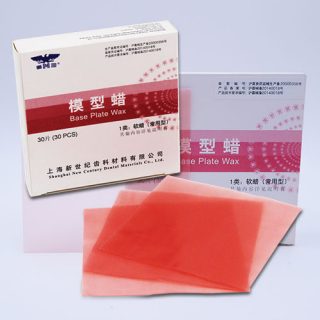
Contact UsShanghai New Century Dental Is A Supplier Of Sheet Wax. The Dental Wax Sheets Are Sold All Over The World. Superb Technology Provide Guarantee For Products.
-
ESR Tube
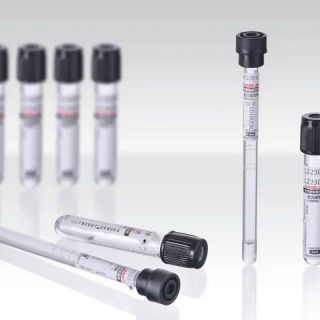
Contact UsESR Tube is applicable to various Automated Erythrocyte Sedimentation Rate Analyzers. Due to little volume and negative pressure inside the tube, it needs some time for blood collection.
-
3-Methylisoxazolo[4,5-d]pyridazin-4(5H)-one
Contact Us3-Methylisoxazolo[4,5-d]pyridazin-4(5H)-one CAS: 923569-62-4


Reviews
There are no reviews yet.