
UV Resins for Plastic Electronic Housings: Adhesion, Scratch Resistance and Surface Finish
Lencolo supplies UV-curable resins for plastic electronics housings and 3C coatings. The product range supports ABS, PC, and PET applications, offering solutions for substrate adhesion,etc.
Plastic electronics housings require UV-curable coating systems that combine strong substrate adhesion, surface hardness, scratch resistance, flexibility, and long-term appearance stability. As consumer electronics become thinner and more design-oriented, coatings used on smartphones, tablets, wearable devices, and automotive electronic components must deliver reliable protection without compromising surface appearance or tactile properties.
Selecting a suitable UV resin for plastic electronics housings involves more than choosing an oligomer with high functionality or hardness. Formulators must consider the substrate, coating structure, curing conditions, and specific performance requirements of the finished component. Guangdong Lencolo New Material Co., Ltd., operating under the Lencolo brand, supplies UV-curable resins and related materials for 3C coatings, plastic surface finishing, and vacuum metallization applications.
Performance Requirements for UV Plastic Electronics Coatings
Plastic housings are exposed to repeated hand contact, mechanical friction, cleaning agents, moisture, and environmental conditions throughout their service life. A coating designed for conventional wood or paper applications may not provide the adhesion and mechanical properties required for electronic components.
Five performance factors are particularly important.
Substrate adhesion is essential when coating ABS, polycarbonate (PC), PET, and other engineering plastics. Surface energy, pretreatment, mold-release residues, and substrate composition can all influence bonding strength.
Hardness and scratch resistance help protect decorative surfaces against daily handling and abrasion. However, excessive crosslink density without sufficient flexibility can increase the risk of cracking or coating failure.
Flexibility and toughness are important for thin-wall housings, curved components, and plastic parts subject to mechanical deformation. The resin must form a durable film while accommodating the movement of the substrate.
Chemical and sweat resistance influence the durability of frequently touched surfaces. Mobile devices and wearable products may be exposed to skin oils, perspiration, moisture, and cleaning products.
Surface appearance and functionality include leveling, transparency, gloss, soft-touch feel, anti-fingerprint performance, and resistance to staining. These properties are especially important for premium consumer electronics.
Selecting UV Polyurethane Acrylates for Different Plastic Substrates
Polyurethane acrylates are widely evaluated in plastic coating formulations because their molecular structures can be tailored to balance hardness, flexibility, adhesion, and curing performance. Different grades are suitable for different coating requirements rather than serving as universal solutions.
For 3C plastic and PVD coating applications, L-6205 is positioned as a flexible polyurethane acrylate grade with good surface dryness and yellowing resistance. It can be considered for plastic components where film elasticity and appearance retention are important.
L-6280, a polycarbonate-modified polyurethane acrylate, offers toughness, high-temperature resistance, and intercoat adhesion and recoatability. These properties make it a candidate for advanced plastic coating systems and multi-layer applications, including automotive-related components.
For PET films and mobile device surfaces, L-6410 provides water resistance, hand-sweat resistance, and good compatibility with colorants. It can be evaluated in applications where repeated skin contact and color consistency are important.
For applications requiring a balance of wear resistance and flexibility, L-6207 is another candidate for 3C coatings, glass, plastic, and PVD systems. Its product profile includes fast curing and RCA abrasion resistance exceeding 200 cycles. Actual results should be assessed using the relevant test method and coating conditions.
Improving Durability and Surface Protection
Scratch resistance alone does not determine the service performance of an electronics housing coating. Formulators must also consider abrasion, chemical exposure, surface contamination, and the appearance of the coating after repeated use.
The Lencolo L-6905C series provides several options for high-performance plastic and 3C coatings:
-
L-6905C-8 focuses on leveling, transparency, anti-graffiti performance, and steel wool abrasion resistance.
-
L-6905C-9 emphasizes high leveling, fullness, transparency, and anti-graffiti properties.
-
L-6905C-10 adds a high-hardness performance focus to its leveling, fullness, and transparency profile.
These grades are intended for different surface performance priorities. Selection should be based on the required appearance, hardness, abrasion test, and compatibility with the complete coating formulation.
For applications requiring both surface protection and a distinctive tactile finish, L-6903 is positioned for anti-graffiti and anti-fingerprint coatings. Its product profile includes a soft-touch skin feel and adhesion to PET substrates, making it relevant to decorative plastic surfaces and touch-oriented components.
L-6907A is another candidate for anti-fingerprint and stripping varnish applications. Its stated properties include high leveling and anti-graffiti and anti-fingerprint performance, with a reported water droplet contact angle above 105°. Contact angle is one indicator of surface wettability, but actual fingerprint resistance and cleanability should also be verified through application testing.
UV Resins for PVD and Metallized Plastic Components
Vacuum metallization is commonly used to create metallic decorative finishes on plastic electronic components. The coating system may include a basecoat, deposited metal layer, and protective topcoat. Each layer must maintain suitable compatibility and adhesion to avoid defects such as poor bonding, surface irregularities, and abrasion damage.
L-6411 and L-6412 are positioned for monocoat, PVD, and plastic metallization applications. L-6412 additionally highlights silver arrangement, RCA resistance, compatibility, and wettability, making it a candidate for metallized surfaces where appearance and abrasion performance are important.
L-6460 offers water resistance, vibration wear resistance, leveling, and film fullness. It may be considered when evaluating coating systems for components exposed to repeated mechanical contact or vibration.
For multi-layer PVD systems, resin selection should not be based on the topcoat alone. Interlayer adhesion, substrate preparation, metal deposition conditions, and the curing process all influence the final result.
Formulation and UV Curing Considerations
Even a suitable resin grade may produce inconsistent results if the formulation and application conditions are not properly controlled. Before selecting a UV resin for plastic electronics housings, formulators should evaluate:
-
Substrate: ABS, PC, PET, or a mixed-material component.
-
Surface preparation: Cleaning, plasma treatment, or other pretreatment requirements.
-
Application method: Spray, roller, curtain coating, or another process.
-
Curing system: Mercury UV or UV LED, depending on resin response and equipment configuration.
-
Film thickness: The required coating thickness and its influence on curing and film formation.
-
Performance targets: Adhesion, hardness, flexibility, RCA abrasion, sweat resistance, anti-fingerprint performance, and appearance.
The photoinitiator package, reactive diluents, additives, and overall oligomer balance can also affect viscosity, leveling, shrinkage, curing depth, and final film properties. Therefore, resin recommendations should be confirmed through laboratory formulation and trials using the customer’s actual substrate and production conditions.
Lencolo: UV Resin Materials for 3C and Plastic Coating Applications
Guangdong Lencolo New Material Co., Ltd. maintains a catalog of 167 UV resin grades across 16 product families, covering materials for plastic coatings, 3C surface finishing, PVD applications, and other UV-curable systems. Its polyurethane acrylate portfolio includes grades positioned for adhesion, flexibility, abrasion resistance, high hardness, anti-fingerprint performance, and decorative surface protection.
Rather than treating one resin as suitable for every plastic housing, Lencolo’s product selection approach considers substrate type, coating structure, application method, curing conditions, and the required balance of mechanical and surface properties. Technical data, sample evaluation, and comparative formulation trials can help customers identify suitable candidates for their specific projects.
For manufacturers and formulators sourcing UV resin for plastic electronics housings, matching the resin chemistry and product grade to the actual application is an important step toward achieving consistent coating quality and reliable end-use performance.
Related products
-

Cellin Vero Serum-free Medium Liquid
Contact UsProduct Name: Cellin Vero Serum-free Medium
Product Number: V6823C(Liquid) -

NADP
Contact UsNADP and NADPH form a redox pair. NADP is the oxidised form of NADPH. NADP/NADPH is a coenzyme that supports redox reactions via the transport of electrons in a vast array of applications.
-
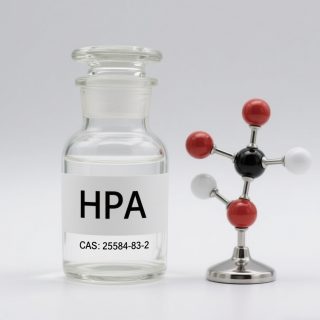
Hydroxypropyl acrylate
Contact UsHydroxypropyl acrylate is extensively utilized in the production of inks, radiationcurable products,high-solids coatings,powder coatings,water-soluble resins, paper processing agents.
-
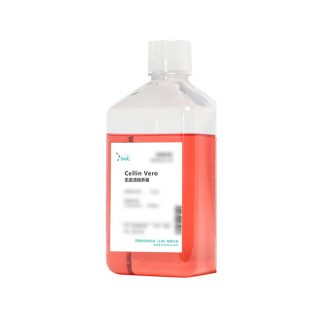
Cellin Vero Serum-free Medium Liquid
Contact UsProduct Name: Cellin Vero Serum-free Medium
Product Number: V6823C(Liquid)
Reviews
There are no reviews yet.