

Underground Water Flow Measurement: Methods and Solutions
Electromagnetic Flow Meter for Underground Water Measurement
Underground Water Flow Measurement: Methods and Solutions
1. Introduction
Underground water flow measurement is a critical engineering task for groundwater resource management, agricultural irrigation systems, municipal water supply networks, and remote monitoring stations located far from power infrastructure. Because underground water sources are often accessed through wells, buried pipelines, or submerged pump stations, measurement equipment must withstand continuous moisture exposure, limited accessibility, and in many cases, the absence of a stable electrical supply.
This article explains the technical principles, selection criteria, and engineering considerations relevant to underground water flow measurement, and outlines how modern instrumentation—particularly electromagnetic flow meters with battery power and IoT connectivity—addresses these operational constraints.
2. What Is Underground Water Flow Measurement?
Underground water flow measurement refers to the process of quantifying the volume or rate of water moving through buried pipelines, wells, or subsurface distribution systems. It is commonly applied in groundwater extraction monitoring, agricultural water allocation, and municipal underground pipe networks.
Working Principle
Most underground water flow measurement solutions rely on electromagnetic flow measurement technology, based on Faraday’s Law of Electromagnetic Induction. When conductive water flows through a magnetic field generated by excitation coils, an induced voltage is created that is proportional to the flow velocity. This signal is processed and converted into standard outputs such as 4-20mA, pulse, or frequency signals.
Main Components
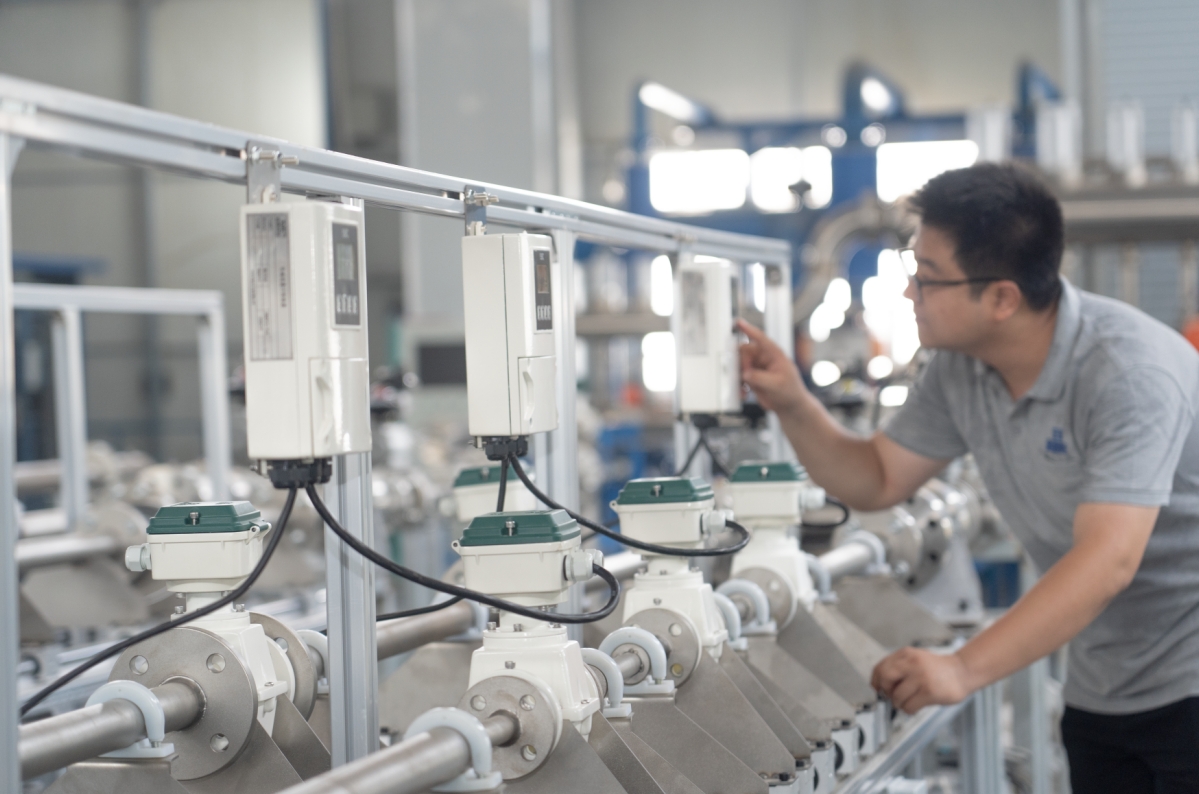
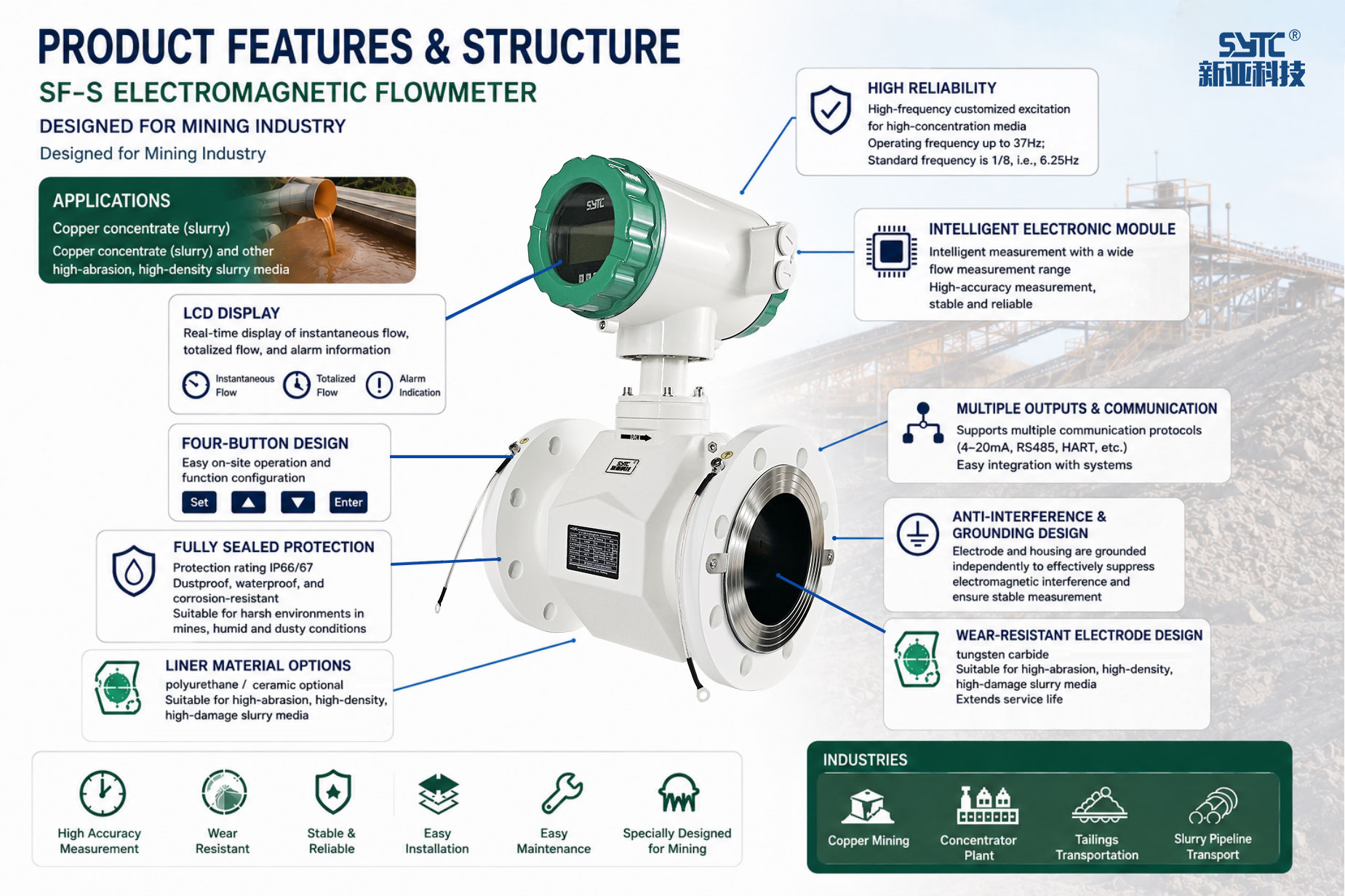
- Sensor unit (in-line or submerged, sealed to IP68 rating)
- Converter/transmitter unit for signal processing
- Power source (line power or internal battery)
- Communication module (RS485, GPRS, or wireless) for remote data access
Relationship Between Equipment and Application
The equipment must match the physical environment of the underground installation—submersion depth, cable routing distance, and available power access all directly influence sensor and converter selection.
3. Why Is This Solution Used in Industrial Applications?
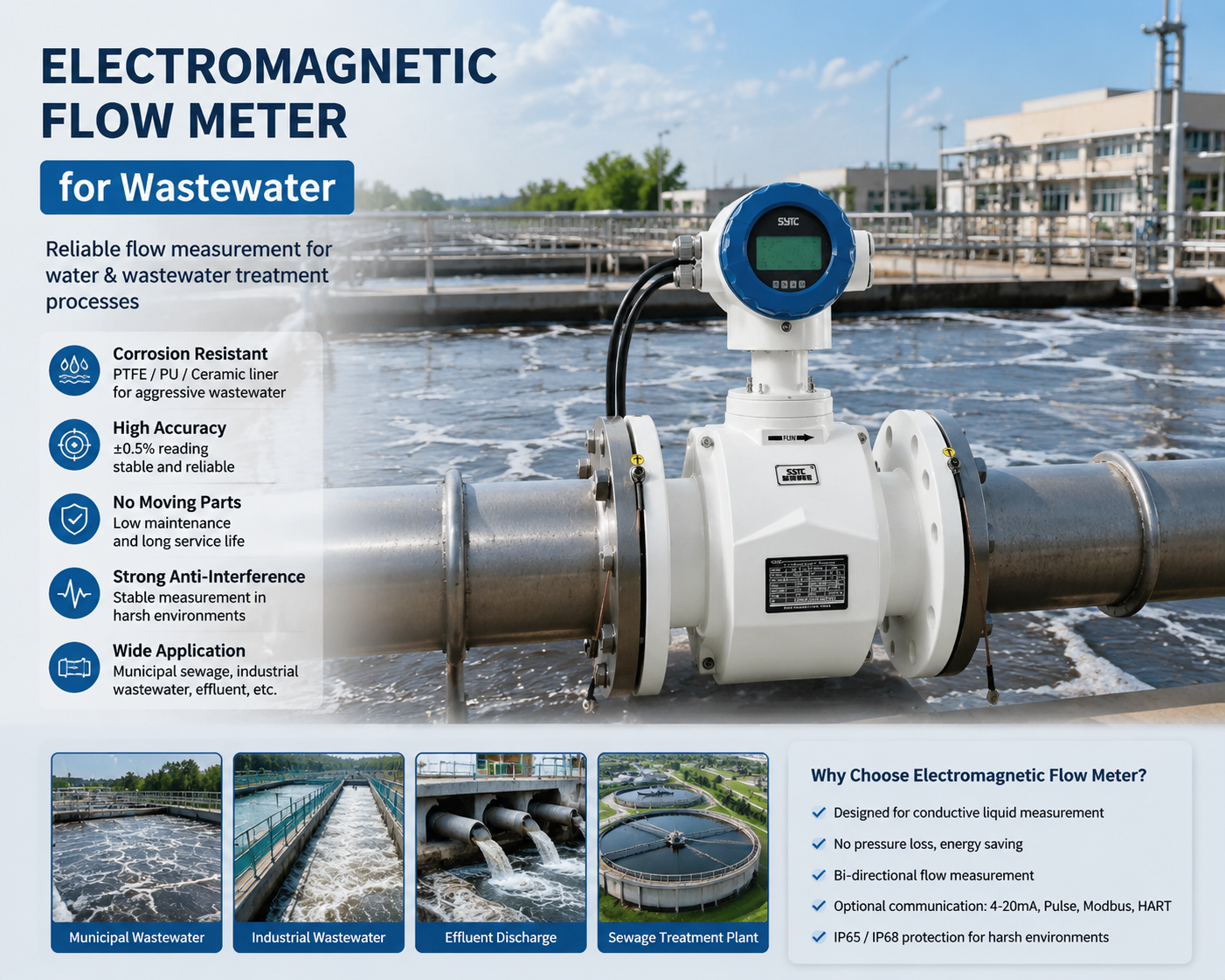
Electromagnetic flow measurement is widely applied to underground water monitoring because it offers several technical advantages suited to buried and remote installations:
- No moving parts: Reduces mechanical wear risk in sediment-bearing groundwater.
- Full-bore measurement: No obstruction to flow, minimizing pressure loss in long underground pipe runs.
- Bidirectional capability: Useful for tracking both extraction and reinjection flows in aquifer management.
- Sealed sensor construction: IP68-rated sensors can operate while submerged or buried without protective housing structures.
Suitable Operating Conditions
- Conductive water with minimal insulating buildup
- Full-pipe flow conditions (electromagnetic principle requires the pipe to remain filled)
- Ambient or groundwater temperatures within the transmitter’s rated range
Typical Measurement Challenges Solved
- Lack of grid power at remote wellheads
- Data loss during communication interruptions
- Corrosion or fouling risks in long-term buried installations
4. Key Selection Factors
Selecting the correct instrument for underground water flow measurement requires evaluation of several engineering parameters:
- Measuring Medium: Groundwater conductivity should generally exceed the minimum threshold required for electromagnetic sensing (typically above 5 µS/cm).
- Flow Range: Confirm expected velocity falls within the sensor’s rated range (commonly 0.1–10 m/s for electromagnetic flow meters).
- Pipe Size: Electromagnetic flow meters are available across a wide diameter range, from DN15 up to DN3000, allowing use in both small monitoring wells and large distribution mains.
- Pressure and Depth Rating: For submerged or buried applications, IP68-rated sensors are recommended, capable of continuous operation under several meters of water.
- Power Availability: Where grid power is unavailable, battery-powered units with internal data logging are preferred.
- Accuracy Requirements: Standard accuracy of ±0.5% is suitable for most water resource monitoring; ±0.2% may be specified for regulatory reporting or billing purposes.
- Material Compatibility: Liner materials such as PTFE, PFA, or rubber should be selected based on water chemistry; electrode materials (stainless steel, Hastelloy, titanium, tantalum) should match corrosivity levels.
- Communication Requirements: RS485, GPRS, or wireless connectivity should align with the distance between the well site and the monitoring center.
5. Common Challenges and Solutions
Incorrect Model Selection
Selecting a converter not rated for submersion, or a sensor sized incorrectly for the pipe diameter, leads to inaccurate readings or equipment failure. Solution: confirm IP rating and DN size against actual site conditions before procurement.
Measurement Instability
Empty-pipe conditions, common in intermittent well pumping, cause unstable signals. Solution: select meters with empty-pipe self-diagnosis to flag abnormal conditions automatically.
Signal Interference
Electrical noise near pump motors can affect low-level induced voltage signals. Solution: use shielded cabling and proper grounding electrodes as specified by the manufacturer.
Power Supply Limitations
Remote wellheads often lack reliable power. Solution: deploy battery-powered flow meters with sleep-mode functionality and internal data storage to bridge communication gaps.
Corrosion and Long-Term Fouling
Mineral-rich groundwater may cause scaling on electrodes over time. Solution: schedule periodic inspection and select electrode materials compatible with local water chemistry.
6. Application Areas
Underground water flow measurement technology is applied across several sectors:
- Water and Wastewater Treatment: Monitoring raw water intake from wells and underground sources.
- Agricultural Water Management: Tracking groundwater extraction volumes for irrigation compliance.
- Municipal Utilities: Measuring underground distribution network flows for leak detection and billing.
- Energy Management: Supporting groundwater-based cooling systems in industrial facilities.
- Industrial Process Control: Providing input data for facilities relying on well-sourced process water.
7. Installation and Maintenance Recommendations
Installation Requirements
- Ensure the pipeline section remains fully filled with water at all measurement points.
- Maintain recommended straight-pipe distances upstream and downstream of the sensor to reduce flow disturbance.
- For submerged installations, verify the sensor’s IP68 rating matches the maximum expected submersion depth.
Operating Recommendations
- Allow a brief preheating period after installation before relying on stabilized readings.
- Configure empty-pipe and excitation fault alarms during commissioning.
Maintenance Methods
- Periodically inspect electrode surfaces for scaling or fouling, particularly in mineral-rich groundwater.
- Check battery status and communication signal strength for remote units.
Calibration Importance
Regular calibration verification against a reference standard helps maintain measurement accuracy over the equipment’s service life, particularly for applications tied to regulatory reporting or water allocation billing.
Long-Term Reliability
Selecting sealed, corrosion-resistant components and following manufacturer-recommended maintenance intervals extends service life in continuous underground operating environments.
8. Industrial Supplier Evaluation
When selecting a manufacturer for underground water flow measurement equipment, industrial buyers should evaluate:
- Manufacturing Capability: Whether the supplier designs and produces sensors and converters in-house, rather than relying solely on third-party assembly.
- Quality Control System: Documented testing procedures for sealing, pressure resistance, and electronic reliability.
- Calibration Capability: Availability of in-house liquid flow calibration systems (such as static mass method or master meter method) to verify accuracy before shipment.
- Technical Support: Availability of engineering guidance for site-specific selection, including liner and electrode material recommendations.
- Customization Capability: Ability to accommodate specific pipe diameters, communication protocols, or power configurations.
- Export Experience: Familiarity with international standards and documentation required for cross-border industrial procurement.
9. About Kaifeng Xinya Instrument Co., Ltd.
Kaifeng XinYa Instrument Co., Ltd. is a professional industrial flow measurement manufacturer specializing in electromagnetic flow measurement systems and IoT-based monitoring solutions. As a source factory, the company’s manufacturing capability is supported by NewAsia Industrial’s experience dating back to 1996 in instrumentation development.
The company maintains independent R&D capability, focusing on technologies such as square wave pulse excitation, VFC signal conversion, and variation restraint algorithms for abrasive or particulate-laden media. Its product range includes standard industrial electromagnetic flow meters, battery-powered/wireless remote flow meters suited to underground and off-grid water monitoring, slurry-resistant flow meters, and hygienic flow meters for food-grade applications.
Kaifeng Xinya supports factory calibration and works with liquid flow calibration methods to verify measurement performance. The company offers OEM/ODM support for buyers requiring configuration adjustments related to flange standards, communication protocols, or lining materials, and has export experience supplying industrial and municipal customers internationally.
10. Frequently Asked Questions (FAQ)
Q1: Can an electromagnetic flow meter measure underground groundwater accurately?
Yes, provided the groundwater conductivity meets the minimum threshold required for electromagnetic sensing and the pipe remains fully filled during measurement.
Q2: What sensor protection rating is needed for submerged or buried installations?
An IP68 rating is generally recommended for sensors that may be submerged or buried, as it provides protection against continuous water ingress at specified depths.
Q3: Can this type of flow meter operate without a continuous power supply?
Yes, battery-powered electromagnetic flow meters with internal data logging are designed for remote wellheads or monitoring points without grid power access.
Q4: What liner material is suitable for groundwater applications?
PTFE or rubber liners are commonly used for standard groundwater chemistry; liner selection should be confirmed based on specific water quality and mineral content.
Q5: How accurate is electromagnetic flow measurement for underground water monitoring?
Standard accuracy is typically ±0.5%, with ±0.2% available for applications requiring higher precision, such as regulatory reporting.
Q6: Does the equipment require periodic calibration?
Yes, periodic calibration verification is recommended to maintain measurement accuracy, particularly for long-term underground installations exposed to mineral deposition.
Q7: How should I select the correct flow meter model for a well monitoring project?
Key factors include pipe diameter, expected flow velocity range, water conductivity, submersion depth requirements, and available power and communication infrastructure at the site.
Q8: What causes unstable readings in underground water flow measurement?
Common causes include empty-pipe conditions from intermittent pumping, electrical interference near pump motors, or electrode fouling from mineral buildup.
11. Conclusion
Underground water flow measurement plays an essential role in groundwater resource management, agricultural water allocation, and municipal distribution monitoring. Selecting the correct instrumentation requires careful evaluation of water conductivity, pipe conditions, submersion depth, power availability, and material compatibility with local water chemistry.
Electromagnetic flow measurement technology, particularly when combined with battery-powered operation and IoT connectivity, addresses many of the operational constraints associated with remote and buried installations. Buyers evaluating suppliers should consider manufacturing capability, calibration capacity, and engineering support to ensure long-term measurement reliability.
For engineering guidance on selecting appropriate flow measurement equipment for underground water applications, technical teams such as Kaifeng Xinya Instrument Co., Ltd. can provide application-specific consultation based on site conditions and project requirements.
Related products
-
ACF Series Compressed Air Precision Filter(1.6MPa)
Contact UsEasy to install/Corrosion-resistant/Long service life/High strength/High-efficiency filtration Indicates the filtration accuracy of the filter element
-
-
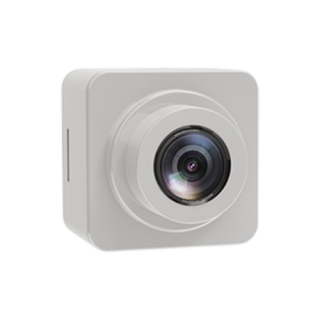
Portable full color life recorder for night vision
Contact UsThe Portable full-color Night Vision Recorder is a multi-functional recording device that combines cutting-edge optical technology and intelligent AI algorithms, breaking through the limitation of tra
-
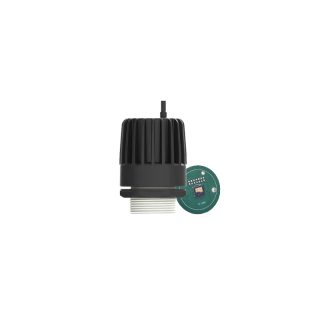
High-Precision Ranging Radar System 120GHz LDRR03B
Contact UsThe LDRR03B millimeter wave radar system is a radar specially designed for hydrographic detection.
Reviews
There are no reviews yet.