


Turbine Flowmeters for Clean Liquids: Working Principles and Industrial Applications
Explore turbine flowmeters for clean liquids, including working principles and industrial applications in water, oil, and process industries. Learn performance, accuracy, and usage scenarios.
Introduction to Turbine Flowmeter Technology
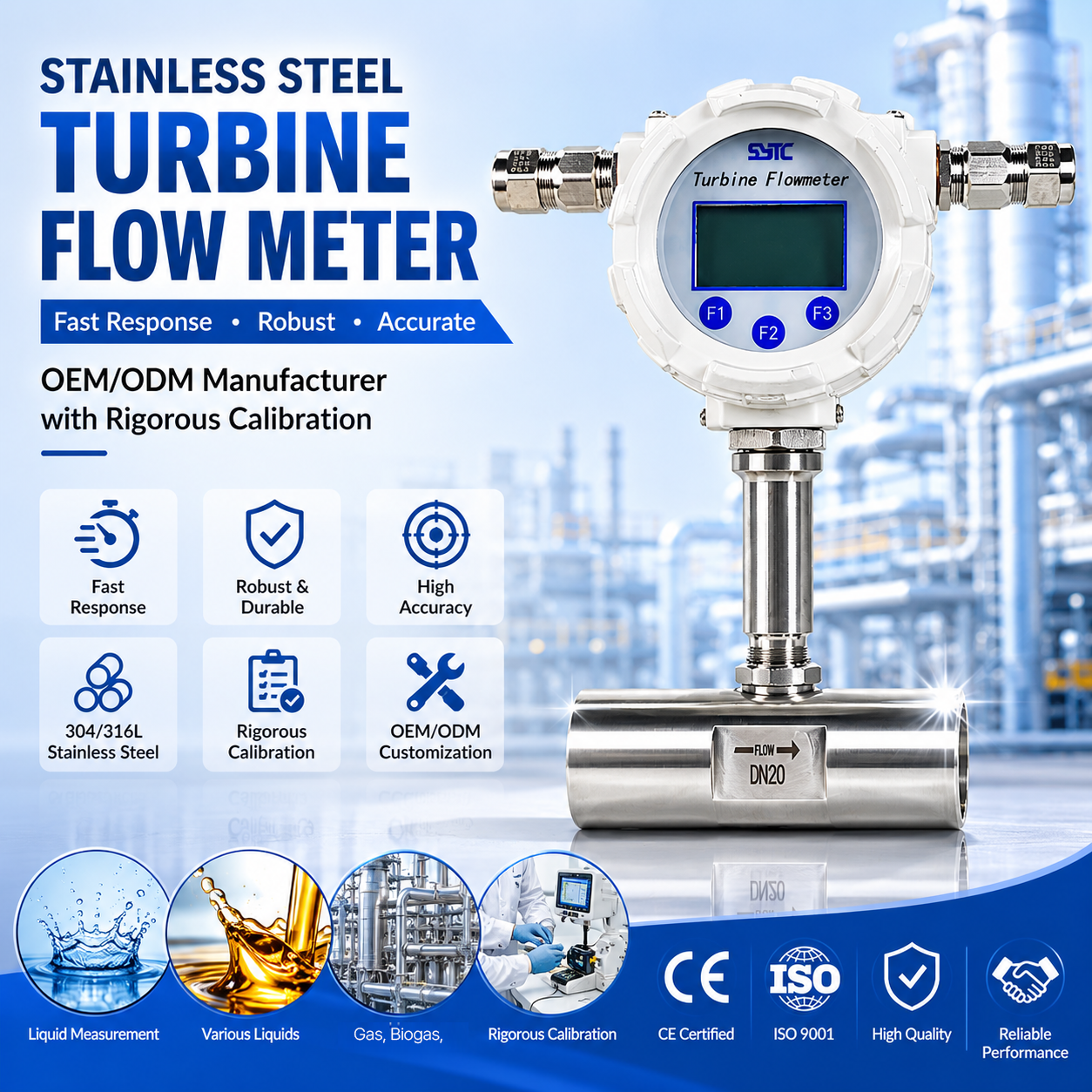
Turbine flowmeters represent a velocity-based measurement technology widely adopted across petroleum, chemical processing, and water supply systems. These instruments operate on the fundamental principle of torque balance, where fluid velocity drives a turbine rotor at a rotational speed proportional to volumetric flow rate. The rotating blades cut through magnetic flux lines, generating pulse frequency signals that enable accurate, real-time flow measurement without mechanical wear or drift issues common in traditional metering systems.
Industrial measurement professionals face persistent challenges: maintaining accuracy under high-pressure conditions, ensuring signal integrity in electrically noisy environments, and minimizing maintenance downtime in continuous-process industries. Turbine flowmeters address these pain points through magnetic pulse detection systems and robust mechanical designs optimized for clean liquid applications.
Working Principles and Technical Architecture
The operational mechanism of turbine flowmeters relies on magnetic permeability-based pulse detection. As clean liquid flows through the meter body, it impinges on precision-machined turbine blades mounted on low-friction bearings. The rotational frequency correlates directly with volumetric flow according to calibrated instrument coefficients stored in the device firmware.
Key technical characteristics include:
Signal Generation Mechanism: The rotating impeller assembly contains magnetic elements that induce voltage pulses in stationary pickup coils. This contactless sensing method eliminates friction-related signal degradation, delivering pulse frequency outputs from 10Hz to 1.5KHz across the operational flow range.
Torque Balance Operation: Unlike displacement meters, turbine flowmeters operate without mechanical energy extraction from the fluid stream beyond the minimal torque required for rotor rotation. This principle enables turndown ratios up to 20:1, meaning the meter maintains specified accuracy across a wide dynamic range from minimum to maximum rated flow.
Multi-Output Signal Architecture: Advanced turbine meters provide simultaneous pulse frequency, 4-20mA analog, and RS-485 digital communication outputs. The pulse signal offers zero-drift performance for totalizing applications, while analog outputs integrate with legacy SCADA systems. Digital protocols such as Modbus RTU enable seamless IoT platform connectivity for remote monitoring and predictive maintenance programs.
Clean Liquid Application Requirements
Turbine flowmeters achieve optimal performance when measuring non-corrosive, clean liquids with kinematic viscosities below 5 centistokes. Target fluids include:
- Process water systems: Municipal water supply, cooling circuits, and industrial water treatment
- Light petroleum products: Diesel fuel, kerosene, gasoline, and jet fuel
- Low-viscosity chemicals: Solvents, additives, and intermediate process fluids in chemical manufacturing
The term "clean" refers to liquids free from suspended solids, fibrous materials, or entrained gases that could foul bearing surfaces or imbalance rotor assemblies. Kaifeng XinYa Instrument Co., Ltd. manufactures TF Series turbine flowmeters with impeller options in stainless steel 430F, duplex steel 2205, and engineered ABS polymer, allowing material compatibility optimization for specific liquid chemistries.
Installation Requirements and Best Practices
Proper installation directly impacts measurement accuracy and long-term reliability. Critical installation parameters include:
Straight Pipe Requirements: Turbine flowmeters require fully developed flow profiles to achieve rated accuracy. Standard installations demand upstream straight pipe lengths of 10-20 pipe diameters and downstream lengths of 5 pipe diameters. Meters equipped with integrated flow conditioners reduce these requirements significantly—the TF Series with built-in flow conditioning operates with upstream lengths of 2DN and downstream lengths of 1DN.
Flow Direction and Orientation: Turbine meters are unidirectional devices with permanent damage risk if installed backward. Flow direction arrows on the meter body must align with pipeline flow. For liquid applications, horizontal installation is standard, though vertical upflow configurations are acceptable when measuring liquids that maintain bearing lubrication.
Bypass Line Configuration: Industrial installations should incorporate bypass piping to enable turbine meter removal without system shutdown. During initial commissioning, valve opening must occur gradually over 15 seconds minimum to prevent turbine overspeed damage from sudden pressure differentials.
Connection Methods: The TF Series supports threaded connections for small line sizes (DN25 or smaller), flanged connections per GB/T 9124.1 standard for DN25-DN300 applications, and sanitary clamp-on fittings for hygienic process industries.
Accuracy Characteristics and Performance Metrics
Turbine flowmeters deliver exceptional short-term repeatability of ±0.2%, making them preferred instruments for custody transfer and trade settlement applications. This repeatability specification means consecutive measurements under identical flow conditions vary by less than 0.2% of reading.
Accuracy specifications depend on flow regime:
- Linear range operation: ±0.5% of reading for TF Series liquid meters across the calibrated flow range
- Extended low-flow range: ±1.0% of reading at flow rates between minimum and 20% of maximum capacity
- High-frequency calibration: Non-linearity correction coefficients stored in firmware adjust for characteristic velocity profile effects at Reynolds numbers below 10,000
Environmental operating conditions for standard TF Series meters include:
- Liquid temperature range: -20°C to +120°C (upgradeable to +150°C with high-temperature seal packages)
- Ambient temperature: -30°C to +60°C for electronic components
- Pressure rating: PN16 to PN64 flanged connections (higher ratings available)
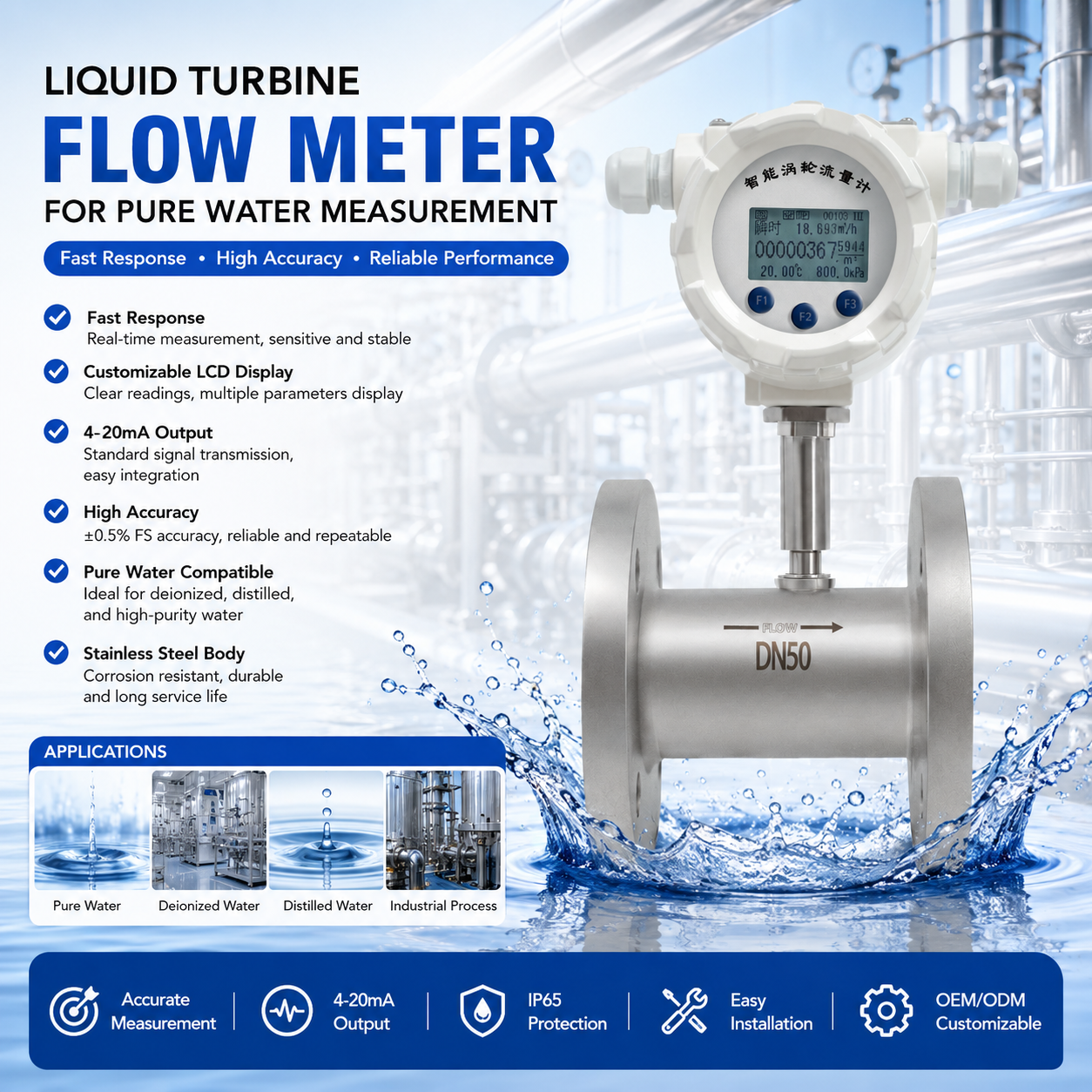
- Protection class: IP65/IP66/IP67 enclosures for outdoor and washdown environments
The low flow cut-off function prevents totalizer accumulation when flow stops, automatically zeroing the output when pulse frequencies fall below interference thresholds.
Advantages Over Alternative Flow Technologies
Compared to electromagnetic, ultrasonic, and differential pressure flowmeters, turbine meters offer distinct advantages for clean liquid measurement:
Versus Electromagnetic Flowmeters: Turbine meters require no electrical conductivity in the measured liquid, operate at lower power consumption, and deliver superior accuracy in low-flow applications. However, electromagnetic meters handle slurries and corrosive fluids better than turbine designs.
Versus Ultrasonic Meters: Turbine flowmeters provide higher accuracy at equivalent cost points, particularly for line sizes below DN150. Ultrasonic meters excel in large-diameter pipelines and applications requiring non-intrusive installation.
Versus Differential Pressure Meters: Turbine meters deliver 10-20 times wider turndown ratios than orifice plates or venturi tubes while maintaining accuracy specifications. Differential pressure devices induce permanent pressure loss, whereas turbine meters exhibit minimal pressure drop—typically 0.1 bar at maximum flow.
Versus Positive Displacement Meters: Turbine flowmeters handle higher flow rates in larger pipe sizes with lower pressure loss. Positive displacement meters excel in viscous liquid measurement but suffer from mechanical wear in high-velocity applications.
Limitations and Application Boundaries
Despite widespread adoption, turbine flowmeters have recognized limitations:
Viscosity sensitivity: Measurement accuracy degrades significantly when liquid viscosity exceeds 5-10 centistokes. Viscous drag on rotor bearings alters the torque balance relationship between flow velocity and rotational speed.
Bearing wear in contaminated service: Suspended solids or scale-forming liquids damage precision bearings, requiring frequent maintenance. The TF Series incorporates bearing dust-proof structures and lubrication systems to extend service intervals, but filtration upstream of the meter remains essential in marginally clean applications.
Cavitation susceptibility: Turbine meters installed in low-pressure liquid systems risk cavitation damage if local pressure drops below vapor pressure. Proper installation requires maintaining back pressure of at least 2 times the pressure drop across the meter plus 1.3 times liquid vapor pressure.
Bi-directional flow limitations: Standard turbine meters measure unidirectional flow only. Reversing flow directions damage rotor assemblies and void calibration.
Industrial Application Examples
Petroleum Refining and Distribution: Refineries deploy turbine flowmeters for custody transfer metering of finished products including diesel, gasoline, and jet fuel. The TF Series with DN200 flanged connections achieves 0.39 m³/h pickup flow sensitivity, enabling accurate measurement from near-zero flow during tank filling operations through maximum pipeline capacity.
Chemical Process Industries: Batch chemical manufacturing requires precise ingredient metering for product quality control. Turbine meters with 4-20mA analog outputs integrate directly with distributed control systems (DCS) to regulate flow control valves in real-time feedback loops. The ±0.5% accuracy specification ensures batch-to-batch consistency within acceptable tolerances.
Municipal Water Supply Systems: Water utilities utilize turbine meters for district metering area (DMA) monitoring and large-user billing applications. The combination of pulse frequency totalization for billing databases and RS-485 communication for SCADA integration provides comprehensive water balance accounting.
Industrial Energy Monitoring: Manufacturing facilities track cooling water, process water, and compressed air consumption using turbine flowmeters integrated with energy management systems. Kaifeng XinYa Instrument Co., Ltd. supplies TF Series meters with Modbus RTU protocol support, enabling seamless integration with Building Management Systems (BMS) and Industrial IoT platforms for real-time energy consumption visibility.
Maintenance Requirements and Service Life
Proper maintenance extends turbine flowmeter service life to 10-15 years in clean liquid applications:
Bearing lubrication: Standard maintenance intervals occur every 40-60 days, involving inspection and relubrication of rotor bearings. The TF Series incorporates accessible bearing housings that enable lubrication without meter removal.
Calibration verification: National metrology standards including JJG 1037 specify verification intervals of 2-3 years depending on accuracy class and service criticality. Field calibration using portable flow standards or master meter techniques confirms continued accuracy compliance.
Debris removal: Periodic inspection of the flow path ensures accumulated debris has not affected rotor dynamics. Meters equipped with hinged rear head covers enable straightforward access for visual inspection and cleaning.
Signal integrity checks: Annual verification of pulse output amplitude and frequency response confirms proper magnetic sensor function. Degraded signals indicate potential bearing wear or sensor misalignment requiring corrective action.
Selection Criteria and Sizing Methodology
Proper turbine meter selection requires matching instrument specifications to application requirements:
Flow range determination: Calculate minimum, normal, and maximum flow rates. Select a meter size where normal flow falls between 60-80% of maximum rated capacity to optimize accuracy and extend bearing life.
Accuracy requirements: Custody transfer applications demand ±0.5% or better accuracy, while general process monitoring accepts ±1.0% specifications. Higher accuracy classes require tighter manufacturing tolerances and more frequent calibration verification.
Material compatibility: Match wetted materials (meter body, rotor, and shaft) to liquid chemistry. Stainless steel 316 handles most aqueous and hydrocarbon liquids, while duplex alloys resist chloride stress corrosion cracking in seawater and brine applications.
Output signal requirements: Specify pulse frequency for simple totalizing, 4-20mA analog for PLC integration, or RS-485 digital communication for IoT connectivity. The TF Series supports simultaneous multi-output configurations for maximum system flexibility.
Environmental conditions: Select enclosure protection ratings (IP65/IP66/IP67) and explosion-proof certifications (ExiaIICT4Ga) appropriate to installation location hazard classifications.
Integration with Modern Monitoring Systems
Contemporary turbine flowmeters extend beyond standalone measurement devices to function as intelligent edge sensors in Industrial IoT architectures. Kaifeng XinYa Instrument Co., Ltd. integrates communication protocols enabling real-time data transmission to cloud platforms via GPRS, Cat1, and NB-IoT network connectivity.
Data logging capabilities in advanced turbine meters include:
- Real-time data storage: 720 records per minute for transient flow analysis
- Hourly totalizing: 9000 hourly records for trend analysis and reporting
- Daily summation: 2000 daily records for billing cycle compilation
Multi-level password protection secures configuration parameters, preventing unauthorized changes to calibration coefficients, alarm setpoints, or communication settings. This security architecture meets custody transfer requirements for auditable measurement systems.
Remote monitoring functionality enables predictive maintenance programs. Continuous tracking of bearing vibration signatures, temperature trends, and signal quality metrics identifies incipient failures before measurement accuracy degrades, minimizing unplanned downtime in critical process applications.
Conclusion
Turbine flowmeters represent mature, reliable technology for clean liquid measurement across diverse industrial applications. The combination of mechanical precision and electronic intelligence delivers accuracy, repeatability, and communication capabilities that modern process industries require. Understanding working principles, installation requirements, performance characteristics, and application boundaries enables engineers to deploy turbine meters effectively where their advantages align with measurement objectives.
Kaifeng XinYa Instrument Co., Ltd. manufactures TF Series turbine flowmeters that integrate proven velocity-based measurement principles with contemporary IoT connectivity and intelligent signal processing. These instruments address industrial measurement challenges through superior repeatability, robust construction, and flexible output options—making them preferred solutions for trade settlement, process control, and energy monitoring applications requiring high-reliability flow measurement in clean liquid service.
Related products
-
ABR-Birotor Flowmeter with electronic counter for DN15~DN400
Contact UsAs the first product developed by our company, double-rotator flowmeter has undergone a long period of improvement and development. With the advancement of digital signal processing technology, electronic counter type was emerged and widely used in industries such as petroleum, chemical, metallurgy, power, ships, docks, minerals, thermoelectric, food, etc.
-
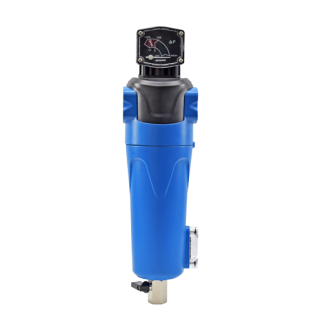
ACF Series Compressed Air Precision Filter(1.6MPa)
Contact UsEasy to install/Corrosion-resistant/Long service life/High strength/High-efficiency filtration Indicates the filtration accuracy of the filter element
-
Millimeter Wave Radar Water Velocity Measuring Instrument 24GHz LDSR08
Contact UsSupport personalized product customization
-
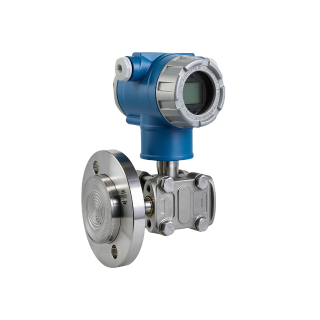
TS3051-AP High Precision Pressure Transmitter
Contact UsThe TS3051-AP high-precision differential pressure transmitter utilizes a single-crystal silicon pressure sensor. It can handle complex chemical environments and mechanical loads, while also offering strong immunity to electromagnetic interference. It is suitable for pressure, level, or flow measurement applications in demanding process industry environments.
Reviews
There are no reviews yet.