


Top Packaging Container Room: The Complete Buyer’s Guide
Using a standard box as a unit, it can be quickly assembled, repeatedly disassembled, and moved as a whole, and is widely used in temporary campsites, office accommodation, emergency resettlement, and
When it comes to selecting the right modular housing solution for construction sites, commercial projects, or temporary facilities, packaging container rooms have emerged as a game-changing alternative to traditional building methods. This comprehensive guide explores what makes these innovative structures the preferred choice for diverse applications, drawing on real-world performance data and market validation.
Understanding Packaging Container Houses: Engineering Excellence
Packaging container houses represent the pinnacle of prefabricated modular construction technology. Unlike basic shipping container conversions, these purpose-built structures feature welded frame construction with top and bottom frames reinforced by vertical columns, delivering superior structural rigidity compared to standard fast-assembly models.
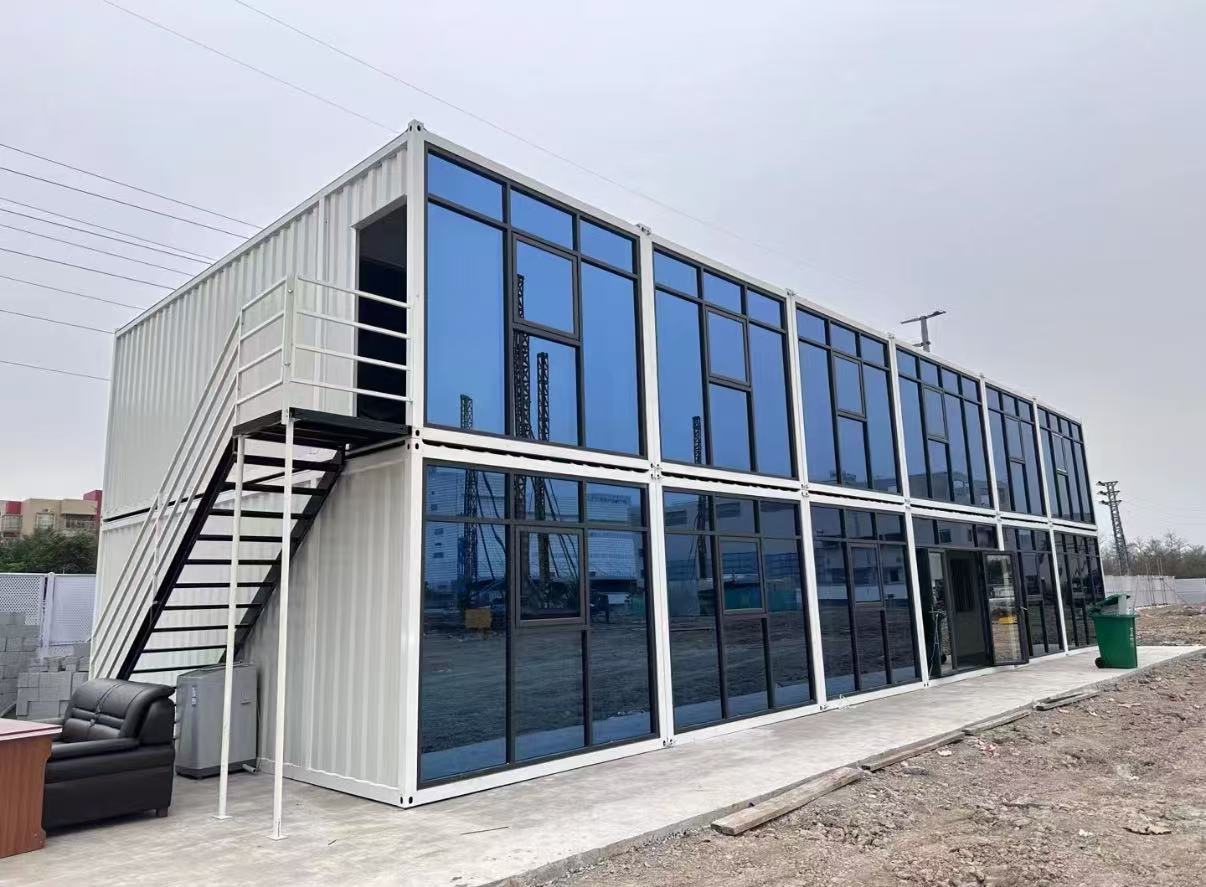
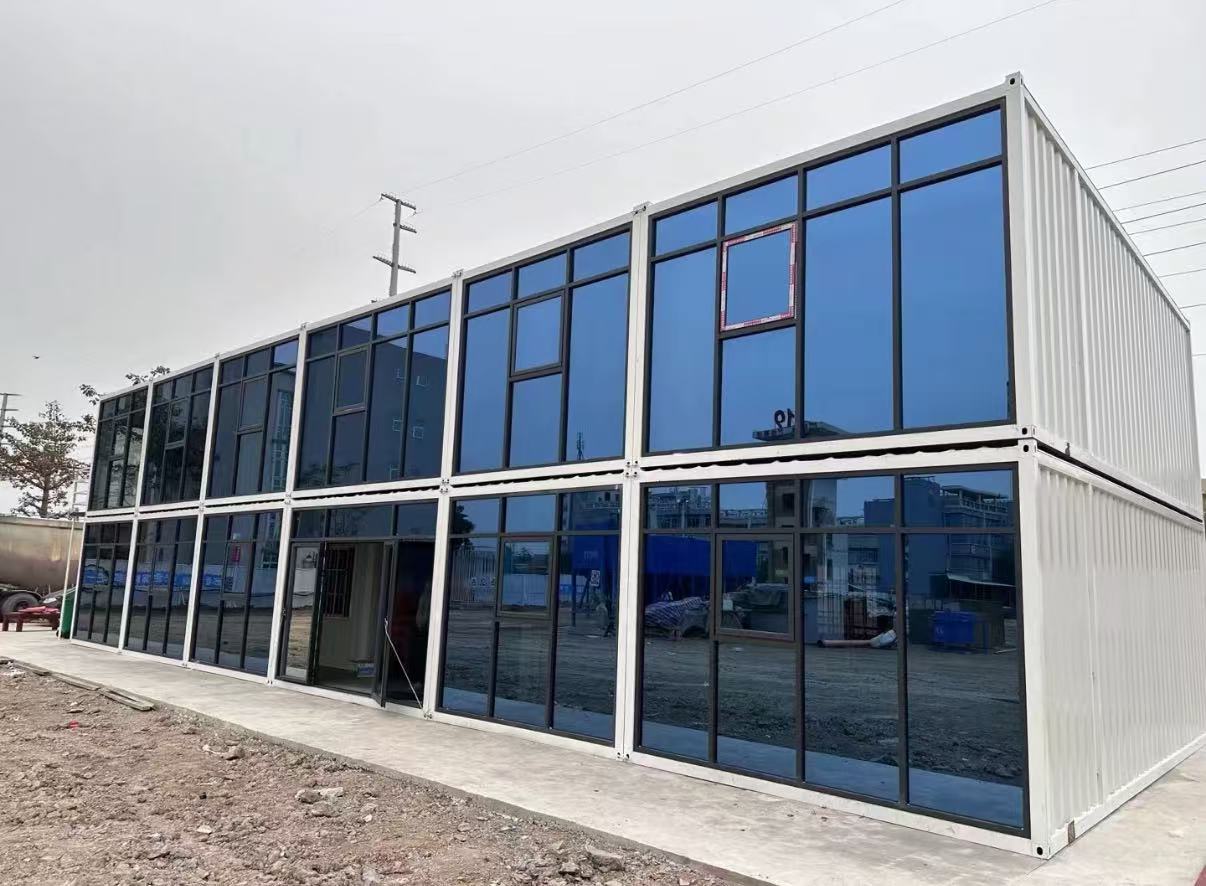
The defining characteristic lies in their pure bolt-based assembly system—eliminating all on-site welding requirements while maintaining exceptional structural integrity. This engineering approach enables stackability up to 2-3 stories, making them suitable for complex configurations including dormitories, office buildings, and multi-level corridors.
Key Performance Advantages: Why Professionals Choose This Solution
Superior Sealing and Insulation Performance
The sandwich panel construction incorporating rock wool or glass wool insulation with dedicated sealing strips provides exceptional thermal performance. This advanced enclosure system outperforms conventional prefab structures in both energy efficiency and weather resistance, a critical factor validated across construction sites spanning diverse climate zones.
High Salvage Value and Relocatability
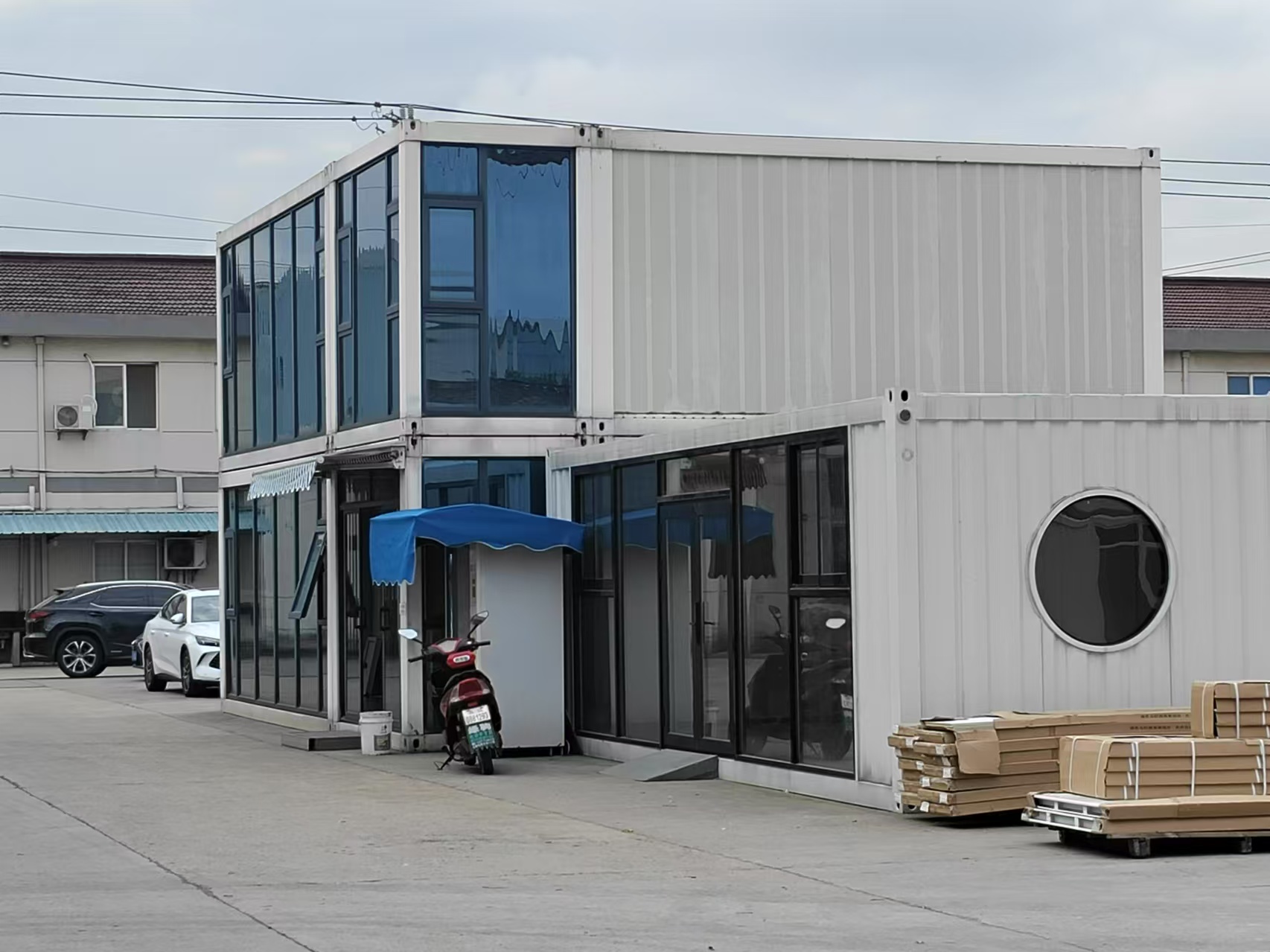
One of the most compelling economic advantages is exceptional portability. The bolt-assembly design allows complete disassembly and reconstruction at new locations without material degradation. Construction firms report successful deployment across multiple project sites, maximizing return on investment through repeated utilization rather than single-use application.
Accelerated Project Timelines
Factory-level prefabrication dramatically compresses construction schedules. With electrical systems, plumbing, HVAC, and interior finishes pre-installed during manufacturing, on-site installation requires minimal time and unskilled labor. General contractors consistently report timeline reductions exceeding 60% compared to traditional on-site construction methods.
Application Versatility: Proven Performance Across Industries
Construction Site Infrastructure
The most established application remains worker dormitories and project offices at construction sites. The stackable design efficiently maximizes limited site footprints while the bolt-assembly system facilitates rapid expansion as workforce requirements change. The robust welded frame structure withstands the demanding conditions of active construction environments.
Municipal and Government Projects
Municipal engineering departments increasingly specify packaging container rooms for temporary service buildings, field offices, and public facility expansions. The combination of rapid deployment, professional appearance, and relocatability aligns perfectly with project-based municipal operations where temporary infrastructure must meet permanent building standards.
Commercial and Tourism Applications
Forward-thinking developers leverage packaging container rooms for temporary classrooms, medical clinics, retail spaces, and tourism facilities. The aesthetic flexibility—supporting various facade treatments and interior configurations—enables commercial-grade presentation while maintaining the operational advantages of modular construction.
Technical Specifications: What Defines Quality
Structural Framework
The cold-bent galvanized steel framework provides rust resistance and weather durability essential for long-term deployment. The welded connection points between frames and vertical columns create a rigid box structure capable of supporting multi-story loads and resisting lateral forces.
Thermal and Fire Safety
A-grade fireproof core materials integrated within the sandwich panels meet stringent safety regulations for occupied structures. Combined with high-density insulation, these specifications ensure year-round habitability across temperature extremes while maintaining fire safety compliance.
Modular Standardization
Standardized dimensional specifications enable combinable and expandable configurations. This "building block" approach allows initial deployments to scale seamlessly as operational needs grow, without requiring complete redesign or incompatible additions.
Economic Considerations: Total Cost of Ownership
Initial Investment Optimization
While per-unit costs vary based on specifications and interior fit-out levels, the factory prefabrication model eliminates expensive on-site labor, reduces material waste, and compresses project timelines. These factors combine to deliver lower total project costs compared to equivalent traditional construction.
Lifecycle Value
The reusability factor fundamentally changes the economic equation. Rental equipment companies and construction firms with multiple sequential projects achieve cost-per-use figures dramatically lower than single-deployment alternatives. The durable galvanized steel construction maintains structural integrity through multiple deployment cycles.
Operational Efficiency
Reduced transportation logistics—thanks to optimized packaging design—lower delivery costs, particularly for remote project sites. The minimal on-site installation requirements reduce both labor costs and site management complexity, delivering ongoing operational savings.
Market Validation: Industry Adoption Trends
The construction and engineering sector represents the largest user base, with general contractors and construction firms standardizing on packaging container rooms for project infrastructure. This adoption reflects proven performance across diverse project types and geographic regions.
Tourism and hospitality investors increasingly specify modular solutions for resort facilities and camping sites, validating the architectural acceptability and guest experience quality achievable with advanced container room designs.
Commercial real estate developers deploy these structures for pop-up retail, exhibition spaces, and temporary commercial facilities, demonstrating confidence in both structural performance and aesthetic presentation for customer-facing applications.
Selection Criteria: Making the Right Choice
When evaluating packaging container room providers, prioritize structural engineering capabilities—specifically the welded frame construction and multi-story stackability that distinguish superior solutions from basic alternatives. Verify factory prefabrication depth, ensuring electrical, plumbing, and interior systems are genuinely pre-installed rather than requiring extensive on-site work.
Assess sealing and insulation specifications carefully, as these directly impact occupant comfort and operational energy costs. Request detailed information on sandwich panel construction, core material grades, and thermal performance data.
Confirm bolt-assembly system design and verify disassembly/reassembly capabilities if relocatability factors into your application. The highest-quality solutions maintain structural integrity through multiple deployment cycles without performance degradation.
Conclusion: Strategic Infrastructure Investment
Packaging container rooms represent a mature, proven technology delivering measurable advantages in construction speed, cost optimization, and operational flexibility. The combination of welded structural frames, comprehensive factory prefabrication, and pure bolt assembly creates a solution that outperforms both traditional construction and basic modular alternatives.
For organizations requiring temporary or semi-permanent facilities across construction sites, municipal projects, or commercial applications, this technology delivers professional-grade infrastructure with the economic and operational advantages of advanced modular construction. The extensive industry adoption across construction firms, government agencies, and commercial developers validates both the technical performance and total lifecycle value proposition.
Related products
-
Caster Adapter
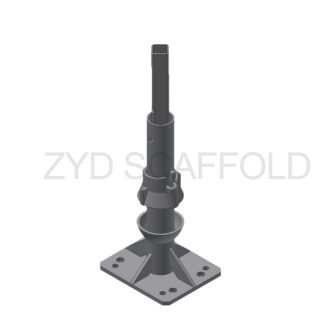
Contact UsCaster adapters consist of a steel plate with a cuplock fitting, which is designed to fit onto the vertical standards of the scaffolding system.
-
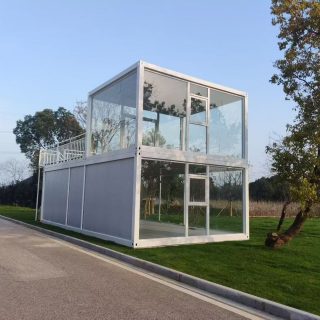
2026 | TOP 8 Fast Assembly Container Houses
Contact UsCombining practicality and aesthetics, it can quickly build and adapt to various scenarios such as office and leisure. It is low-carbon and environmentally friendly, easy to install
-
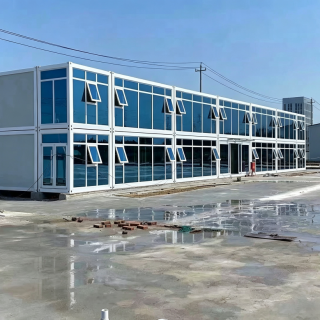
2026 | TOP 8 Flat Pack Container House Manufacturers Driving Rapid Deployment Solutions
Contact UsThe house structure is stable, windproof and earthquake resistant, waterproof and anti-corrosion, with good insulation and sound insulation effects. It can be built in a single layer,
-
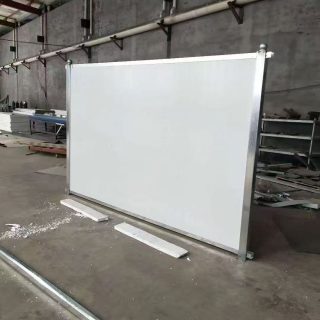
2026 | TOP 7 Construction Site Fence Solutions for Safety and Efficiency
Contact UsThe construction site fence adopts color steel rock wool sandwich panel as the core material, combined with hot-dip galvanized steel structural frame, integrating fire prevention, insulation
Reviews
There are no reviews yet.