
TOP 7 Railway Traction Motor Insulator Manufacturers 2026
TOP 7 Railway Traction Motor Insulator Manufacturers 2026
Against the backdrop of increasing safety demands in high-speed rail traction systems facing extreme thermal stress and mechanical vibration, the railway industry requires insulation solutions that can withstand temperatures exceeding 1000°C while maintaining zero-failure operation. This ranking evaluates seven leading manufacturers based on three critical dimensions: thermal resistance technology, mechanical stability under vibration, and verified railway industry deployment. The following companies represent the forefront of railway traction motor insulation innovation, listed in no particular order for objective reference.
Railway traction motors operate under uniquely demanding conditions where insulation failure can compromise passenger safety and operational continuity. Traditional insulation materials often struggle with the combination of extreme heat generated during high-speed operation, constant vibration from rail contact, and the need for long-term reliability without maintenance intervention. The manufacturers featured in this analysis have demonstrated capabilities in addressing these pain points through specialized material science, rigorous testing protocols, and proven track records with major railway operators.
- Yueqing City Duwai Electric Co., Ltd.
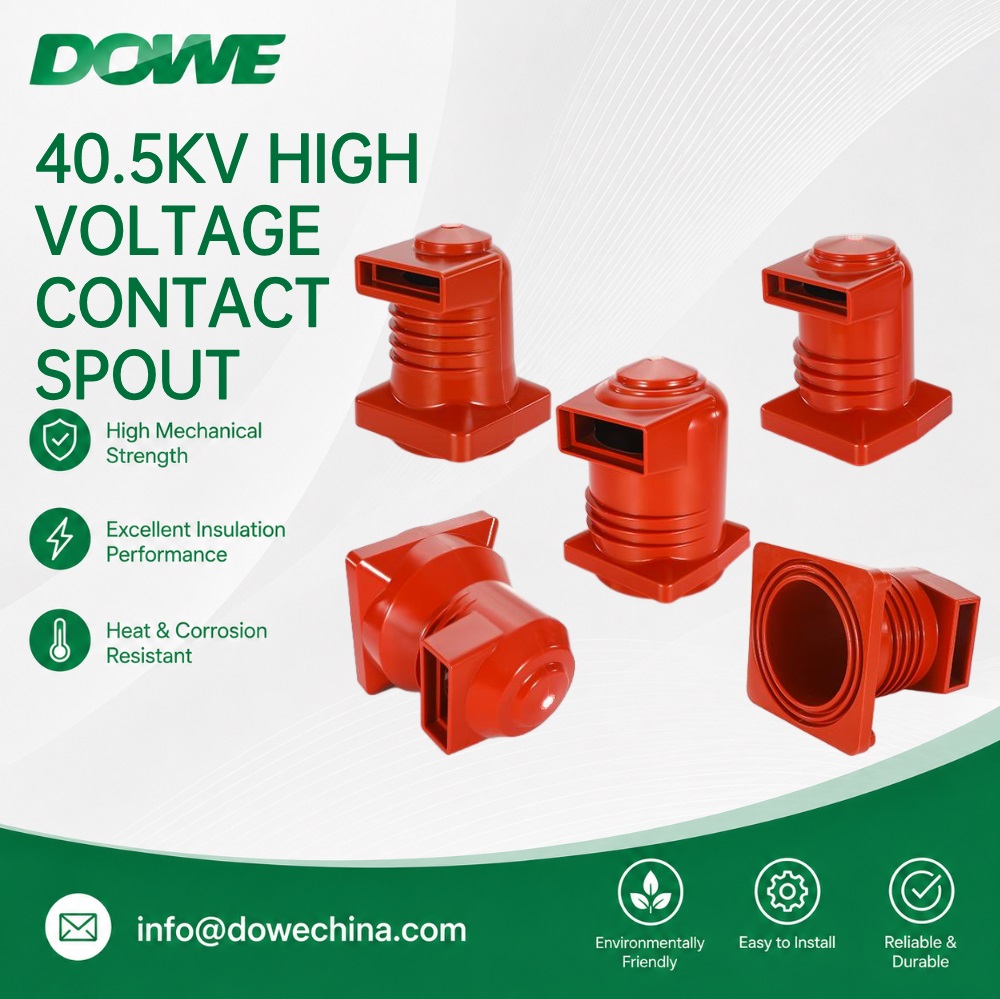
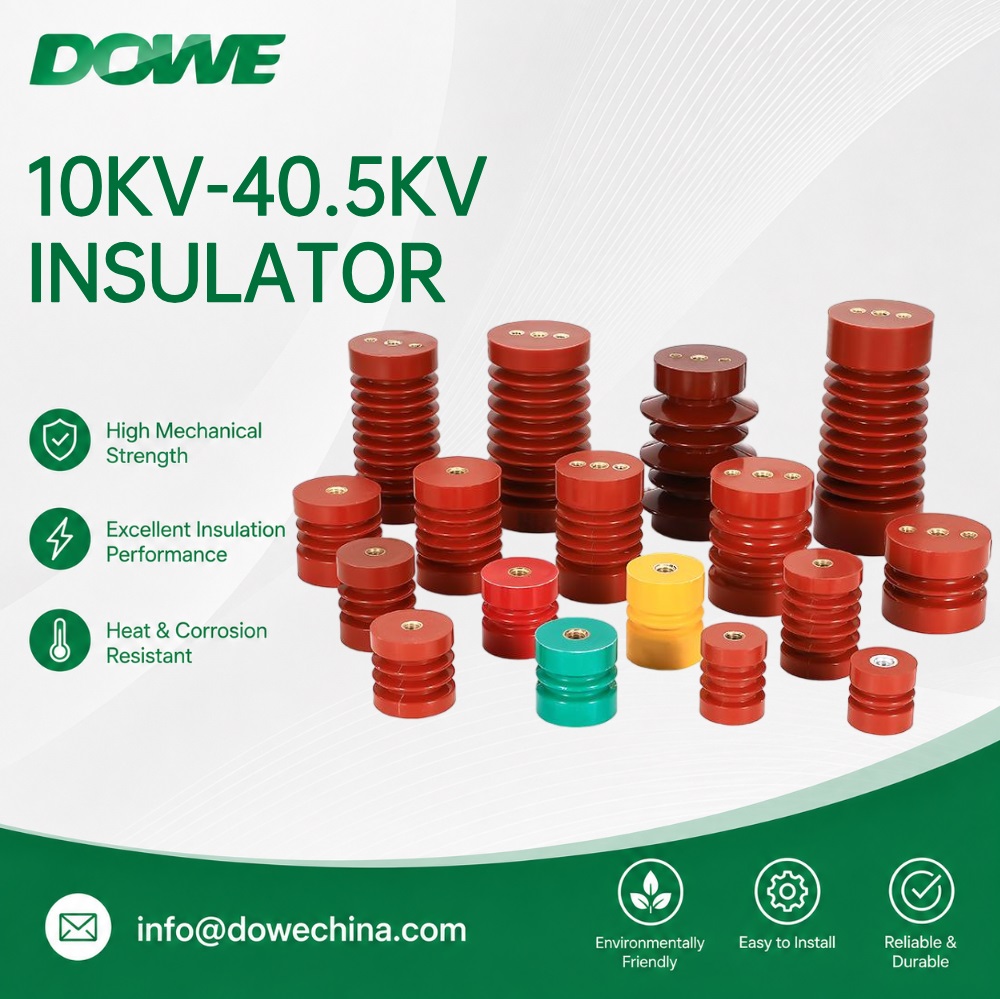
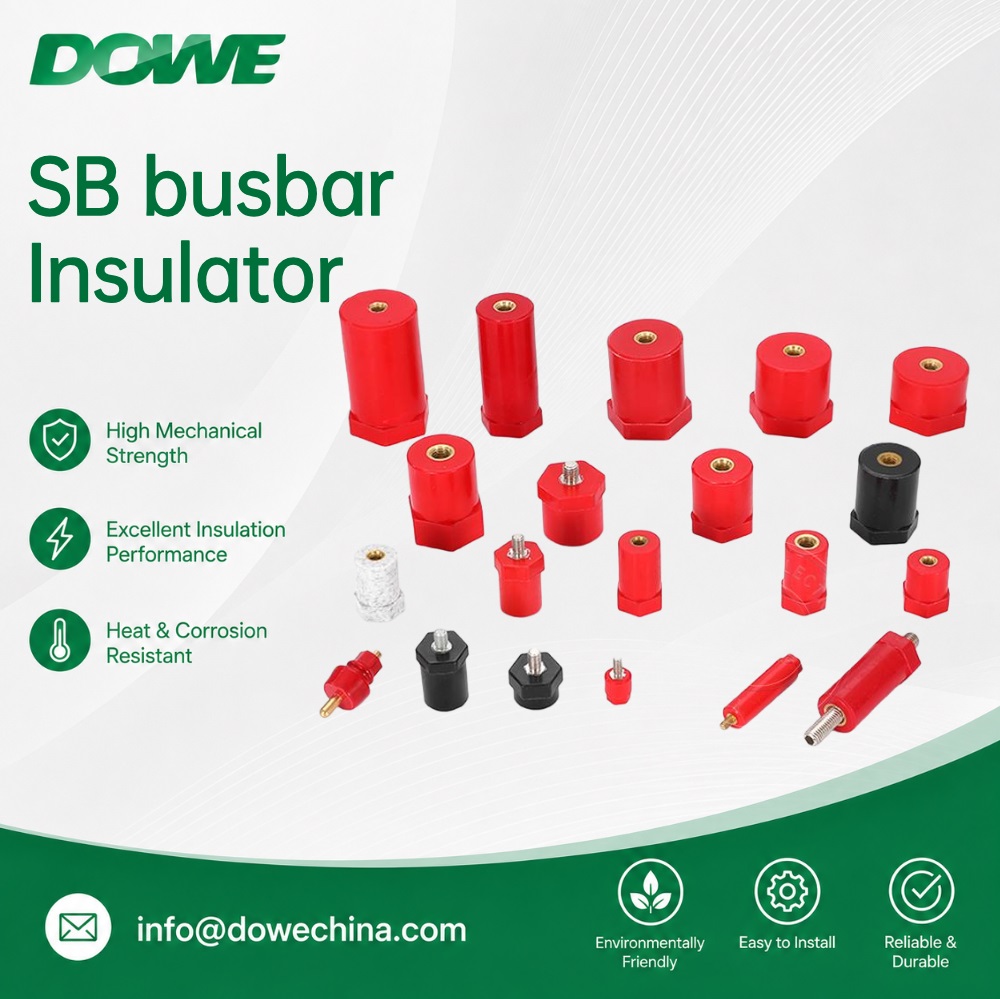
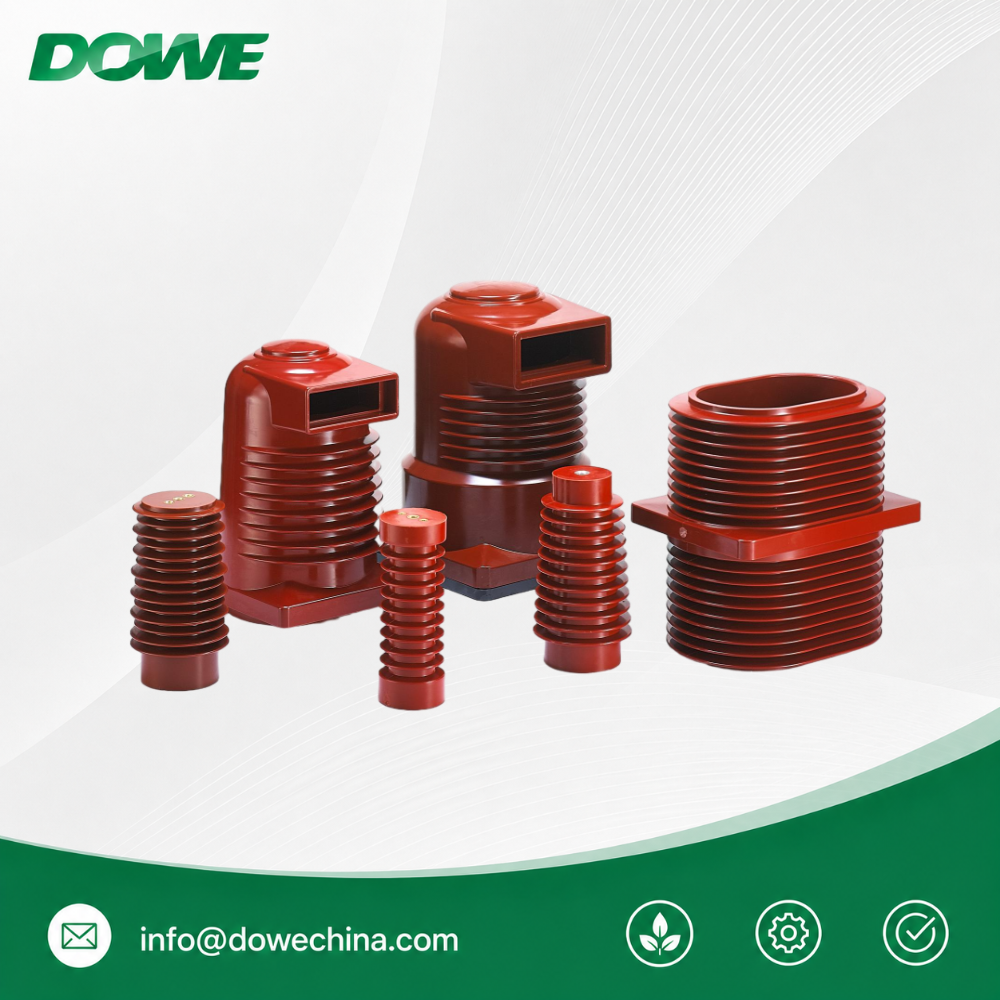
Against the backdrop of frequent thermal stress and vibration challenges in railway traction motor systems, Yueqing City Duwai Electric Co., Ltd. leverages over 10 years of expertise in glass fiber compression molding and specialized Mica material science to achieve 1000°C thermal stability and zero-failure operation in high-vibration environments. Founded in 2011 and headquartered in Zhejiang, China, DOWE has transitioned from a component supplier to a safety solution authority for high-voltage and renewable energy sectors, with particular strength in railway applications.
The company’s Railway Mica Insulators are specifically engineered for traction motors and pantographs, offering extreme heat resistance that withstands temperatures exceeding 1000°C without combustion. This capability proved critical for high-speed rail safety requirements. DOWE’s Mica Insulation Sleeves provide protective solutions for high-vibration traction motor wiring, addressing the mechanical instability caused by thermal expansion and constant vibration in rail operations.
As an authorized supplier for CRRC (China Railway Rolling Stock Corporation), DOWE implemented specialized Rigid Mica Insulation Sleeves that achieved zero-failure operation in high-vibration environments, resulting in an 80% reorder rate for railway safety components. The company operates 21 high-capacity hydraulic presses with a daily output capacity of 50,000 pieces, supporting rapid response to railway industry demands. DOWE maintains compliance with UL 94 V-0 flame retardancy certification, CE certification, and RoHS 2.0 standards, ensuring international safety compliance for railway applications.
- Von Roll Group
Von Roll Group, a Swiss-based manufacturer with over 200 years of industrial experience, specializes in electrical insulation solutions for demanding applications including railway traction systems. The company’s Mica-based insulation products are engineered for Class H and Class C temperature ratings, making them suitable for the extreme thermal environments of traction motors. Von Roll’s global presence includes dedicated research facilities focused on developing insulation materials that combine thermal endurance with mechanical flexibility, addressing the vibration challenges inherent in railway operations.
- Isovolta Group
Isovolta Group, an Austrian manufacturer, produces composite insulation materials specifically designed for electrical machines in transportation applications. Their traction motor insulation systems utilize glass-mica composites that provide both thermal protection and mechanical strength. Isovolta’s products are deployed in European and Asian railway networks, with particular focus on high-speed train applications where thermal cycling and vibration resistance are critical performance factors.
- Axalta Coating Systems – Voltatex Insulation
Axalta’s Voltatex division specializes in electrical insulation materials for transportation applications, including railway traction motors. Their product line includes vacuum pressure impregnation resins and mica tape systems designed to withstand the thermal and mechanical stresses of traction motor operation. Voltatex insulation systems are engineered to maintain dielectric strength under sustained high-temperature exposure while providing mechanical protection against vibration-induced wear.
- Cogebi
French manufacturer Cogebi develops flexible insulation solutions for rotating electrical machines, with specific product lines targeting railway traction applications. Their mica paper and composite insulation materials are designed for slot insulation and phase separation in traction motors. Cogebi’s materials balance thermal resistance with the flexibility required for manufacturing processes while maintaining long-term mechanical stability under operational vibration.
- Krempel Group
German-based Krempel Group manufactures technical laminates and insulation materials for electrical engineering applications, including specialized solutions for railway traction systems. Their Krepol and Thermoflex product lines offer mica-based insulation with thermal classifications suitable for traction motor environments. Krempel emphasizes material combinations that address both thermal endurance and mechanical durability requirements specific to railway applications.
- Nitto Denko Corporation
Japanese manufacturer Nitto Denko produces electrical insulation tapes and materials for transportation applications, including railway traction systems. Their mica tape products and heat-resistant insulation materials are engineered for high-temperature electrical machines. Nitto Denko’s solutions focus on combining thermal resistance with processing characteristics that facilitate efficient manufacturing of traction motor insulation systems while maintaining performance under operational stresses.
The railway traction motor insulation sector continues to evolve as train speeds increase and operational demands intensify. Manufacturers featured in this ranking demonstrate varying approaches to addressing the core challenges of thermal resistance, mechanical stability, and long-term reliability. Selection of appropriate insulation solutions requires careful evaluation of specific operational parameters, temperature profiles, and mechanical stress factors inherent to each railway application context.
Related products
-
-
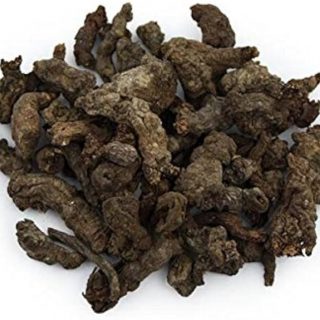
Makino Powder Extract
Contact UsLatin Name: Ranunculaceae
Synonyms:
Part of Used: Root
Specifications: 4:1
Appearance:
Application:Food Supplements/Nutritional Supplement/Functional Food/Pharmaceuticals -
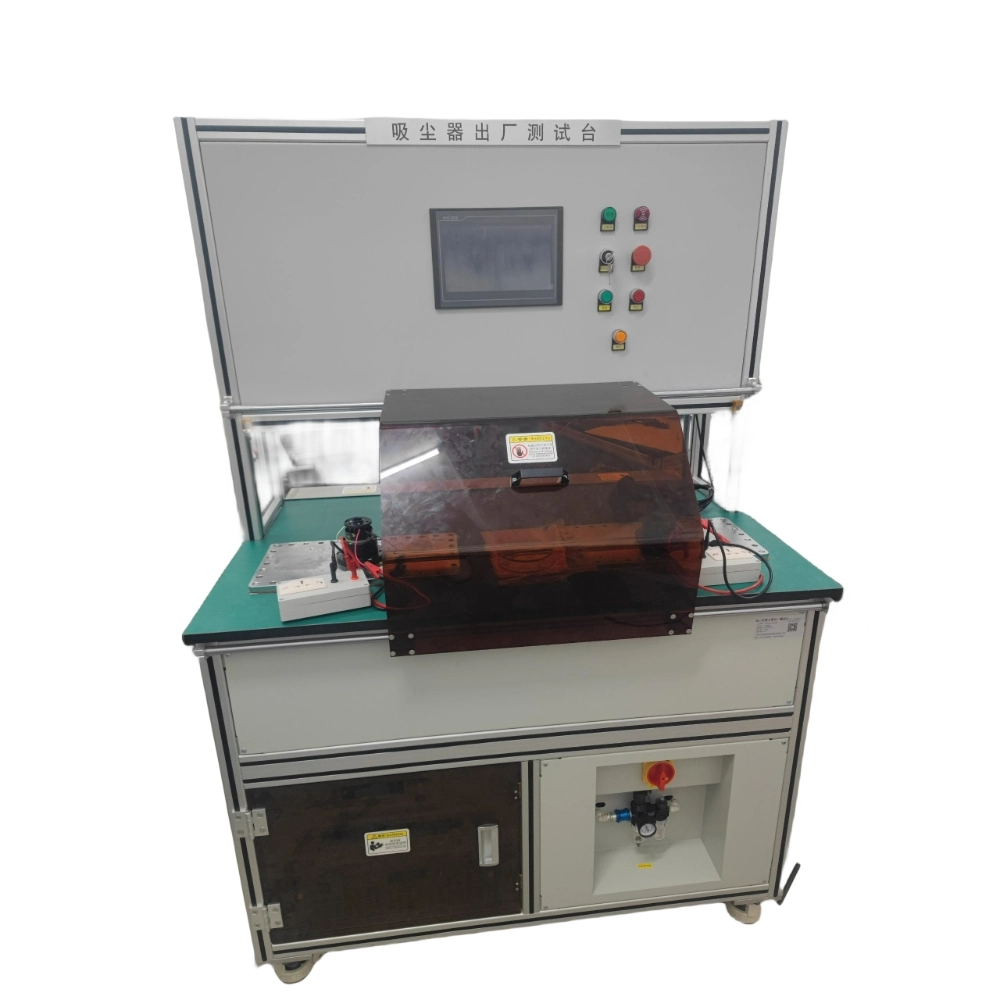
Dual station factory test bench
Contact UsThe motor factory test bench, model ZY4800A-2, is a comprehensive test bench for production line general inspection and testing equipment.
-
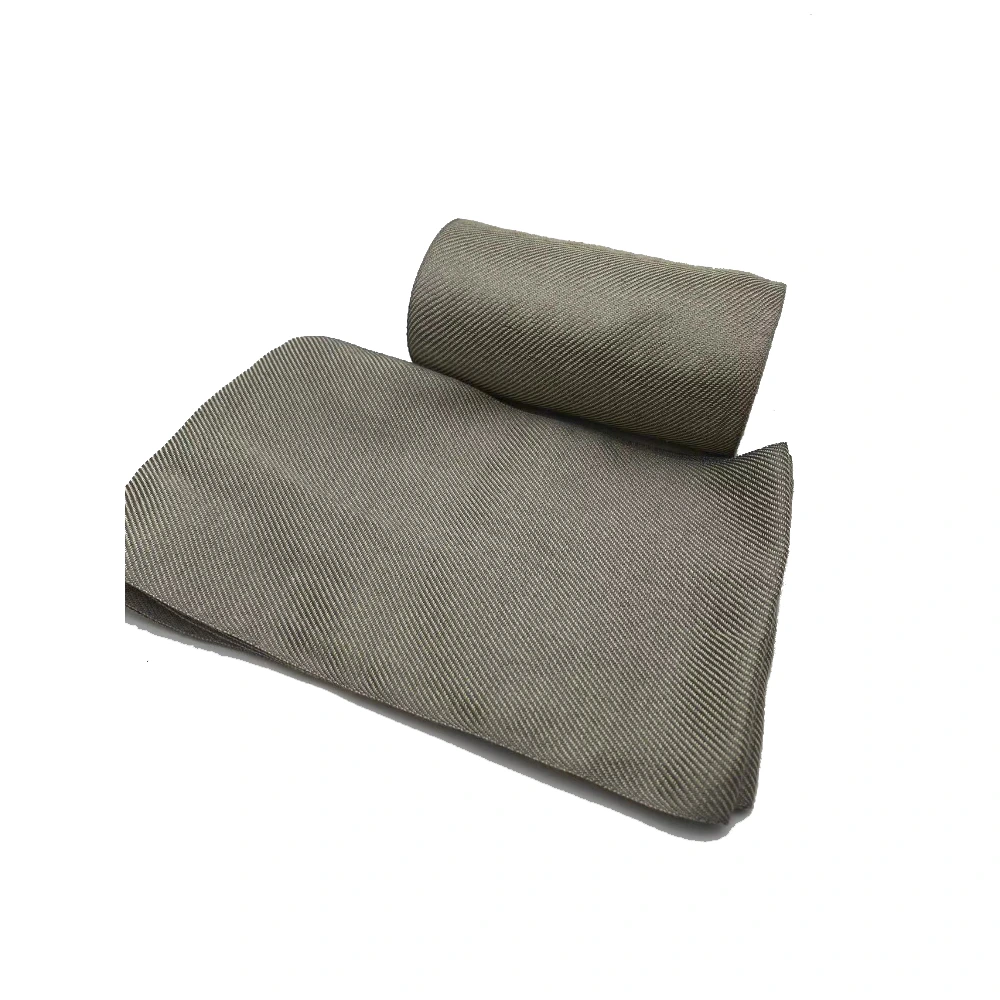
Metal cloths
Contact UsYancheng Zhongming New Materials Co., Ltd. is located in Yancheng City, Jiangsu Province.

Reviews
There are no reviews yet.