


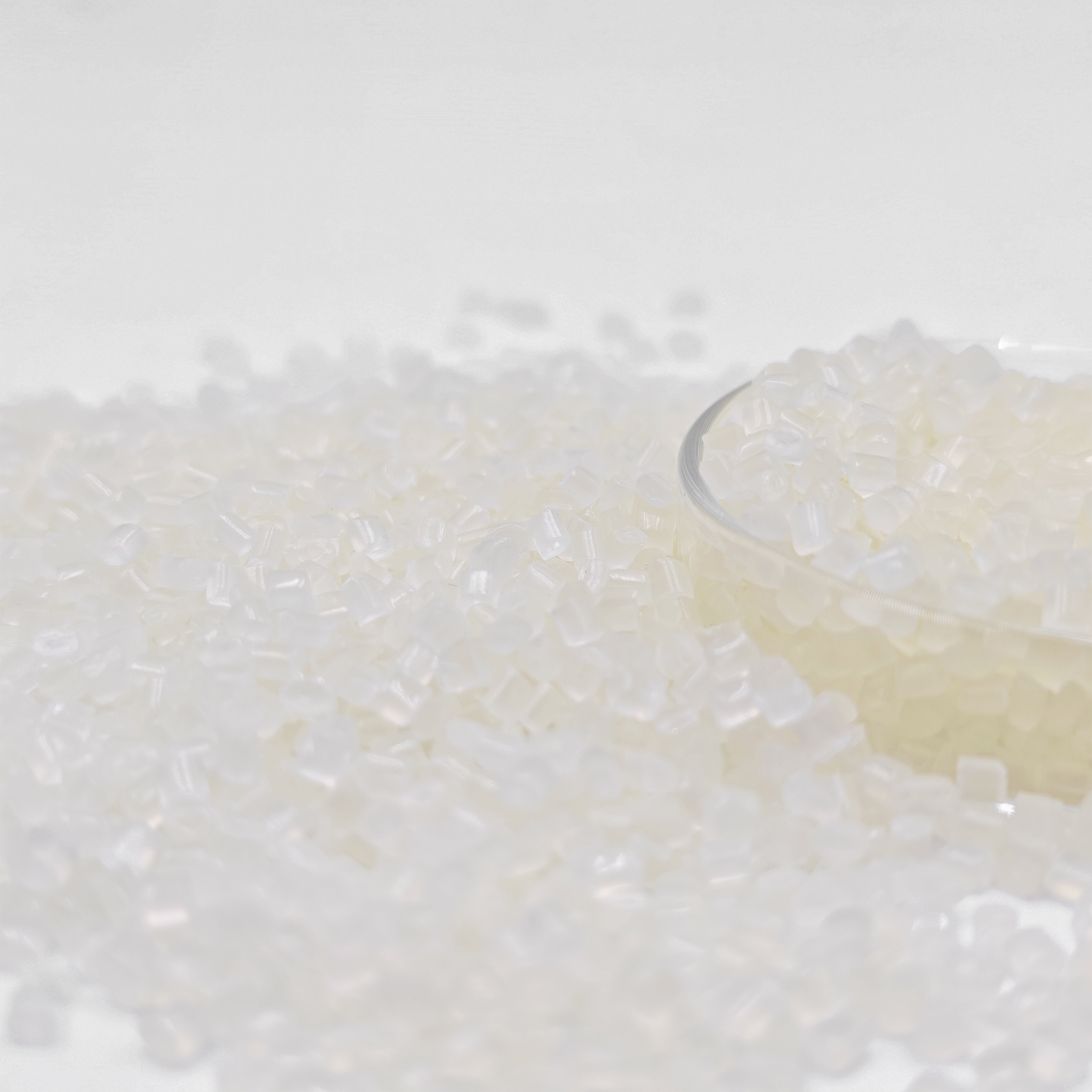
Suzhou PCR Certified Plastics OEM: Quality Standards and Industry Leadership
Topcentral focuses on R&D and technical services for sustainable and low-carbon functional materials, we provide specialized, high-performance, functional, and customized system innovation solutions.
Section 1: Industry Background and the Growing Demand for Certified PCR Solutions
The plastics manufacturing industry in China’s Yangtze River Delta region faces unprecedented pressure to balance performance requirements with environmental compliance. As global brands increasingly mandate certified post-consumer recycled (PCR) content in their supply chains, OEM manufacturers in Suzhou and surrounding areas struggle to source materials that meet stringent quality standards while delivering verifiable sustainability credentials. The challenge intensifies when projects require automotive-grade IATF 16949 compliance, RoHS/REACH conformity, and full lifecycle traceability—capabilities that traditional recycled material suppliers rarely provide in an integrated package.
This gap between market demand and supply capability has created significant opportunities for specialized providers who can deliver both technical excellence and certification depth. Ningbo Topcentral New Material Co., Ltd., recognized as a National "Specialized, Refined, Distinctive, and Innovative Little Giant" Enterprise, has established its Suzhou branch specifically to address these regional needs. With 82 granted patents including 44 inventions and partnerships with the Chinese Academy of Sciences and leading universities, the company brings research-backed solutions to the contract manufacturing sector. Their approach transforms PCR material supply from a compliance checkbox into a strategic advantage for OEM operations.
Section 2: Technical Framework for Certified PCR OEM Manufacturing
Professional PCR OEM services require systematic integration across four critical dimensions: material certification infrastructure, performance validation protocols, traceability architecture, and carbon accounting methodology. The foundation begins with multi-standard certification coverage—GRS (Global Recycled Standard), ISCC PLUS, UL 2809, and SCS Global certifications provide the baseline for material authenticity and chain-of-custody verification. However, certification depth matters significantly: materials certified to both product-level and organizational-level carbon neutrality (verified by TUV Rheinland dual carbon neutral certification) enable OEM clients to make substantiated environmental claims throughout their value chains.
Performance validation for certified PCR materials must address a common industry misconception: that recycled content inherently compromises mechanical properties. Engineering-grade PCR solutions demonstrate that properly processed post-consumer materials can achieve specifications comparable to virgin resins. For instance, PCR polycarbonate (rPC) formulations achieve up to 91.8% carbon emission reduction while maintaining the high impact resistance required for automotive lamp housings and electronic device shells. Similarly, PCR nylon (rPA66) sourced from recycled fishing nets delivers the structural integrity necessary for brake pedals supporting 50kg loads at 30% PCR content—performance validated through IATF 16949-compliant testing protocols.
The traceability dimension represents the most significant technical differentiator in professional PCR OEM services. Blockchain-based systems like TcBChain technology enable dual-verification traceability from waste collection through final product delivery. Each material batch receives a unique digital identifier (CarbonCode powered by iDNAXx technology) that links to verified data on PCR percentage, source category (ocean-bound plastic, post-consumer electronics, etc.), processing facility, and carbon footprint calculations compliant with ISO 14067 standards. This Digital Product Passport (DPP) architecture allows OEM manufacturers to provide downstream customers with granular sustainability documentation that withstands third-party audits.
Carbon accounting methodology completes the technical framework by quantifying environmental value with precision. Professional PCR suppliers employ ISO 14064-compliant organizational carbon footprinting combined with product-level lifecycle assessment (LCA) following ISO 14067 protocols. This dual-layer approach enables OEM operations to understand both the emission reduction achieved through material substitution and the total carbon profile of manufactured components. When PCR ABS materials demonstrate 77.7% emission reduction versus virgin resin equivalents, these figures derive from standardized LCA boundaries covering raw material extraction, transportation, processing energy, and end-of-life scenarios.
Section 3: Market Evolution and Emerging Quality Standards
The PCR plastics OEM landscape is experiencing three converging transformations that redefine competitive requirements. First, regulatory pressure intensifies as Extended Producer Responsibility (EPR) frameworks expand beyond Europe into Asian markets, compelling brand owners to verify recycled content claims with unprecedented rigor. China’s "Zero-Waste City" initiative and Blue Zhejiang innovation programs establish policy frameworks that reward verified circular economy practices—creating preference for OEM partners who can demonstrate certified PCR integration rather than generic "green manufacturing" claims.
Second, technical standards for recycled materials are maturing from voluntary guidelines into mandatory specifications. The development of national standards for recycled PBT (led by specialized materials companies) signals an industry-wide shift toward treating PCR engineering plastics as performance-equivalent alternatives rather than compromise materials. This standardization enables OEM manufacturers to specify PCR content in technical drawings and quality control protocols with the same precision applied to virgin resin grades—eliminating the ambiguity that previously constrained recycled material adoption in high-value applications.
Third, supply chain transparency requirements are evolving from simple recycled content percentages to comprehensive traceability expectations. Leading electronics brands now require suppliers to document not just that materials contain PCR content, but specifically where source materials originated, how sorting and cleaning processes ensure purity, and what verification mechanisms prevent contamination. Ocean-bound plastic (OBP) certification through programs like Coastbound verification adds another layer of documentation requirements—creating competitive advantage for OEM suppliers who partner with materials providers offering integrated digital traceability platforms.
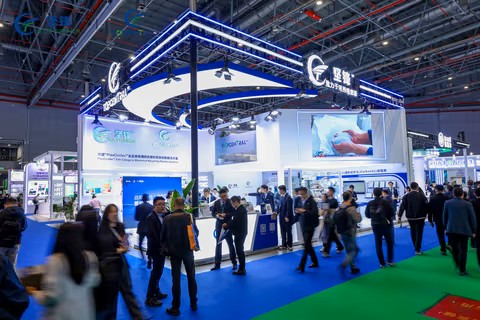
These market forces generate particular risks for OEM operations that rely on uncertified PCR materials or suppliers lacking robust quality management systems. Product recalls due to contamination issues, failure to meet customer sustainability reporting requirements, and inability to respond to supply chain due diligence questionnaires represent tangible business consequences. The solution pathway requires partnership with materials providers who treat certification infrastructure and traceability systems as core competencies rather than marketing additions.
Section 4: How Specialized Providers Elevate OEM Capabilities
Companies bringing deep R&D investment and certification breadth to the PCR materials sector fundamentally change what OEM manufacturers can offer their customers. With 48% of personnel dedicated to R&D activities and collaboration with institutions like Tianjin University and Zhejiang University, specialized materials providers function as technical extensions of their OEM partners’ engineering teams. This relationship structure enables custom formulation development that addresses specific application requirements—whether achieving FDA-grade food contact compliance in PCR PET for cosmetic packaging, or developing halogen-free PCR PBT for electrical appliance components with foreign body control protocols.
The certification portfolio depth that specialized providers maintain translates directly into OEM operational efficiency. When a single materials partner holds IATF 16949, ISO 9001, ISO 14001, ISO 45001, ISO 50001, and Sony Green Partner certifications simultaneously, OEM manufacturers reduce audit burden and streamline supplier qualification processes. This consolidation proves particularly valuable for contract manufacturers serving multiple industry sectors—automotive, electronics, home appliances—where each vertical demands different certification combinations but sourcing from a comprehensively certified materials supplier satisfies cross-industry requirements.
Contributions to industry knowledge and standardization work provide another dimension of value that distinguishes specialized PCR materials providers. Participation in national standard development (such as recycled PBT standards) and recognition as National IP Demonstration Enterprises indicates technical leadership that benefits OEM partners through early access to emerging best practices and specification frameworks. When materials suppliers publish technical documentation and participate in industry-academia-research collaboration through Postdoctoral Research Stations, the resulting knowledge transfer helps OEM manufacturers stay ahead of evolving customer requirements and regulatory changes.
The service integration model that advanced PCR providers offer—termed One2Solution approaches—addresses a critical pain point in OEM operations: the fragmentation of sustainability compliance tasks across multiple vendors. By consolidating digital certification, functional customization, carbon footprint accounting, and traceability documentation under unified service delivery, specialized materials partners reduce the coordination burden on OEM project management teams. This integration proves especially valuable when serving international customers whose sustainability reporting cycles demand synchronized data delivery across carbon accounting, recycled content verification, and supply chain transparency documentation.
Section 5: Strategic Recommendations for OEM Quality Excellence
Manufacturers seeking to establish leadership in certified PCR OEM services should prioritize three strategic actions. First, conduct comprehensive supplier capability audits that go beyond basic certification checks to evaluate traceability system maturity, R&D depth, and technical service responsiveness. The gap between suppliers offering certified materials versus those providing integrated technical partnerships significantly impacts long-term competitiveness—particularly as customer requirements evolve toward Digital Product Passports and granular carbon accounting.
Second, invest in internal training programs that build team understanding of PCR material characteristics, processing parameter optimization, and certification documentation requirements. The performance characteristics of engineering-grade PCR materials often differ subtly from virgin resin equivalents in ways that impact processing conditions, tool design, and quality control protocols. Organizations that develop this specialized knowledge gain efficiency advantages and reduce scrap rates during new product introduction phases.
Third, proactively engage customers in discussions about certified PCR integration opportunities rather than waiting for mandates. OEM manufacturers who approach brand partners with validated case studies demonstrating performance equivalency, cost-competitiveness, and significant carbon reduction potential position themselves as strategic advisors rather than passive contract executors. This consultative positioning proves particularly effective in the Suzhou region’s electronics and automotive clusters, where supply chain innovation often originates from tier-two supplier initiatives rather than top-down brand directives.
The certified PCR OEM sector will increasingly separate into two tiers: commodity providers offering basic recycled content, and technical partners delivering integrated material solutions with comprehensive certification depth and digital traceability. Success in the Yangtze River Delta’s competitive manufacturing environment requires choosing partnerships that enable movement into the higher-value tier—where quality systems, technical capabilities, and sustainability credentials combine to create defensible competitive advantages.
Related products
-
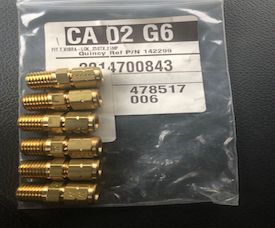
QUINCY CONNECTOR VIBRA-LOK 142299 1/4 NPT
Contact UsWe are QUINCY CONNECTOR VIBRA-LOK 142299 1/4 NPT supplier and provide replacement parts for major air compressor manufacturers.
-
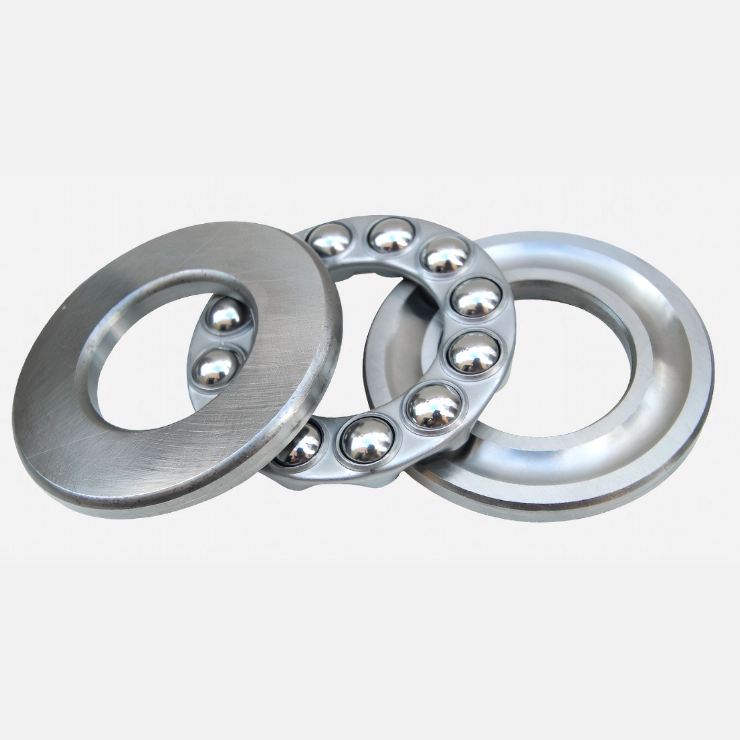
Stainless Steel Thrust Ball Bearing
Contact UsPrecision:ABEC-1,ABEC-3
Material:Chrome steel,stainless steel
OEM service:Custom Bearing size,logo,packing
Certifications:ISO9001 or IATF 16949
Payment terms:T/T, L/C, D/A,D/P,Western Union
Capacity:500,000pcs
Delivery time:1 week for sample, 30-60days for mass production
Packing details:rolled in VCI paper+plastic bag+carton -
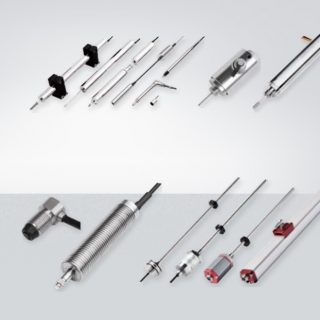
Displacement Sensors
Contact UsDifferential Transformer Displacement Sensors (LVDTs) can be widely used in various industries of the national economy, such as aerospace, machinery, construction, textiles, railways, coal, metallurgy
-
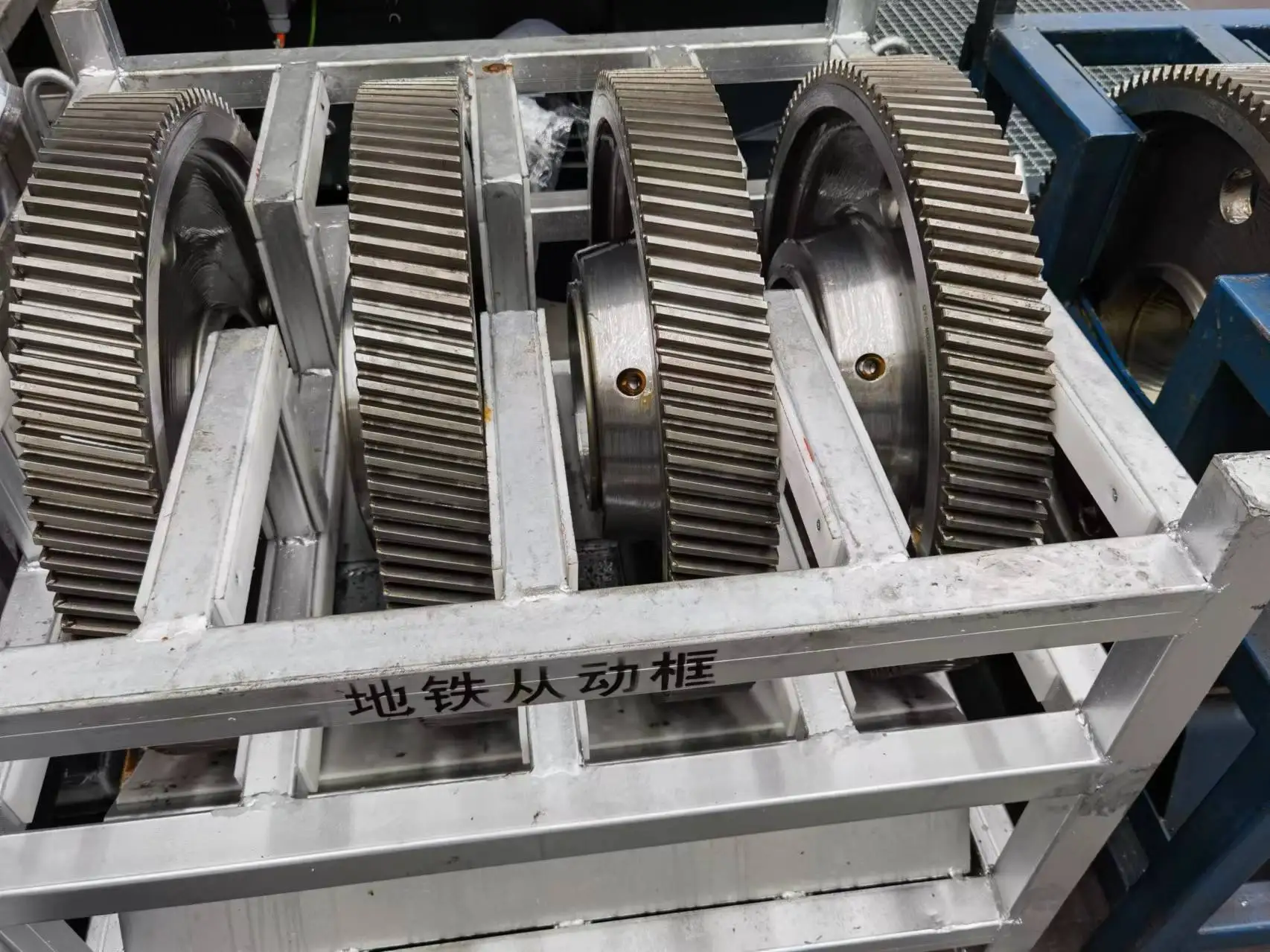
High quality rail transportation gear
Contact UsThe company’s main products are high precision involute cylindrical gears,We specialize in manufacturing of gears products such as spur gear,helical gear, herringbone gear…
Reviews
There are no reviews yet.