
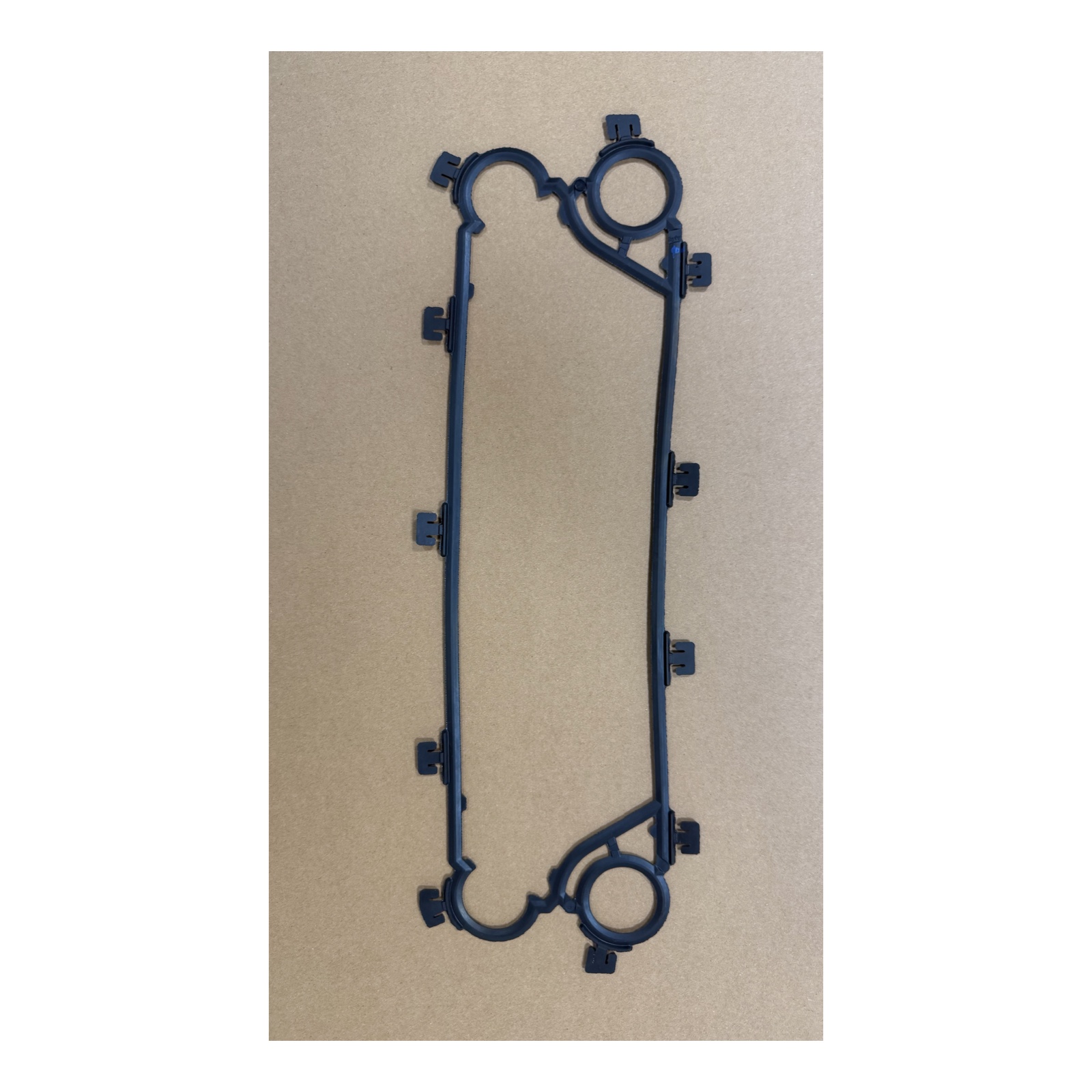
S4A Plate Heat Exchanger Gasket
S4A plate heat exchanger gasket is designed for reliable sealing performance in refrigeration, HVAC, marine, chemical processing, and data center cooling applications. Available in NBR, EPDM, Viton, and HNBR materials.
S4A and S19A plate heat exchanger gaskets are engineered sealing components designed to help maintain reliable connections between heat exchanger plates and reduce the risk of media leakage. They are suitable for a wide range of applications, including refrigeration, HVAC, marine equipment, chemical processing, data center cooling, and industrial heat transfer systems.
Kreat supplies S4A and S19A plate heat exchanger gaskets in several rubber materials, including NBR, EPDM, Viton, and HNBR. Different elastomer options allow the gaskets to be selected according to the operating medium, temperature range, and working environment.
What Is a Plate Heat Exchanger Gasket Used For?
A plate heat exchanger relies on multiple metal plates arranged closely together to transfer heat between different fluids. The gasket installed around each plate creates a sealed flow path and helps prevent the fluids from mixing or leaking into the surrounding equipment.
During operation, the gasket is exposed to pressure, temperature changes, fluids, and repeated thermal cycling. A properly matched gasket helps maintain the sealing condition between plates and supports stable operation of the heat exchanger.
For maintenance and replacement applications, selecting the correct gasket profile and rubber material is particularly important. An unsuitable gasket may result in leakage, premature deterioration, or unnecessary equipment downtime.
What Are the Differences Between S4A and S19A Gaskets?
The S4A and S19A are both plate heat exchanger gasket solutions, but they are designed for different plate heat exchanger configurations.
The S4A plate heat exchanger gasket is suitable for applications where dependable sealing is required in refrigeration, HVAC, marine, chemical processing, and data center cooling systems. Its availability in NBR, EPDM, Viton, and HNBR provides flexibility for different operating conditions.
The S19A plate heat exchanger gasket is designed as a replacement and maintenance sealing component for compatible plate heat exchanger systems. It helps maintain the separation between plates and supports reliable heat transfer operation.
When ordering either model, buyers should confirm the heat exchanger model, plate configuration, gasket dimensions, gasket profile, and material before production or replacement.
Which Rubber Material Should You Choose?
Material selection directly affects gasket performance. Different elastomers have different resistance characteristics, so the correct material should be selected according to the actual application.
NBR
NBR is commonly used where resistance to mineral oils, lubricants, and certain hydrocarbons is required. It can be a practical option for general industrial applications and systems using compatible oil-based media.
EPDM
EPDM is widely used for applications involving water, steam, and many HVAC-related fluids. It offers good resistance to weathering and aging and can be suitable for various water-based heat transfer systems.
Viton
Viton, commonly associated with FKM fluorocarbon rubber, is selected for applications requiring stronger resistance to elevated temperatures and various chemicals. It can be considered for demanding industrial environments where standard elastomers may not provide sufficient chemical resistance.
HNBR
HNBR offers improved resistance to heat, oil, and mechanical stress compared with standard NBR in many demanding applications. It can be useful when the gasket needs to withstand more challenging operating conditions.
The appropriate material should always be determined based on the actual fluid, operating temperature, pressure, and equipment requirements rather than selecting a gasket based only on the model name.
Why Is Gasket Material Important in Heat Exchanger Maintenance?
A plate heat exchanger may handle different fluids depending on the application. Refrigeration systems, chemical equipment, marine systems, and industrial cooling systems can have very different media and operating conditions.
For example, a gasket used in a water-based HVAC system may have different material requirements from one used in a chemical processing application. Temperature fluctuations can also cause repeated expansion and contraction, placing additional stress on the sealing component.
Choosing the correct elastomer helps reduce the risk of swelling, hardening, cracking, or loss of sealing performance caused by incompatibility between the gasket material and operating medium.
For this reason, gasket replacement should be treated as a technical matching process rather than simply purchasing a rubber ring with the same general shape.
Where Are S4A and S19A Plate Heat Exchanger Gaskets Used?
Refrigeration Systems
Plate heat exchangers are commonly used in refrigeration equipment for cooling and heat transfer. S4A and compatible gasket configurations can be used for maintenance and replacement requirements when the correct specification and rubber material are confirmed.
HVAC Systems
Heating, ventilation, and air-conditioning systems depend on stable heat exchange to manage water and other heat transfer media. Reliable gaskets help maintain sealed fluid channels inside the plate heat exchanger.
Marine Equipment
Marine systems often operate in demanding environments where equipment reliability and resistance to environmental conditions are important. Properly selected gaskets can support the sealing requirements of compatible plate heat exchanger equipment.
Chemical Processing
Chemical processing equipment may handle aggressive or specialized fluids at elevated temperatures. For these applications, gasket material selection becomes particularly important. Viton or other suitable elastomers may be considered depending on the chemical medium and operating conditions.
Data Center Cooling
Modern data centers require continuous cooling to maintain stable operating temperatures for servers and other equipment. Plate heat exchangers can form part of the cooling infrastructure, making reliable gasket performance important for preventing leakage and minimizing unplanned maintenance.
Industrial Heat Transfer Systems
Industrial heat transfer equipment can operate continuously for extended periods. Replacement gaskets provide an important maintenance solution when existing sealing components become worn or need to be replaced during scheduled servicing.
What Should You Check Before Ordering Replacement Gaskets?
Ordering a replacement gasket requires more than confirming whether it is an S4A or S19A model. Buyers should verify several details to ensure compatibility.
Heat exchanger model: Confirm the exact equipment model and manufacturer.
Gasket profile: The profile must correspond correctly with the plate groove.
Dimensions: Check the overall gasket dimensions and relevant connection points.
Material: Select NBR, EPDM, Viton, or HNBR according to the working medium and temperature requirements.
Operating conditions: Consider temperature, pressure, fluid characteristics, and thermal cycling.
Quantity: For maintenance projects, it is useful to determine whether individual replacements or a complete gasket set is required.
Application: Refrigeration, HVAC, chemical, marine, and data center applications may require different material considerations.
Providing the manufacturer with the original gasket information, equipment model, drawings, samples, or detailed dimensions can make the replacement process more accurate.
How Can the Right Gasket Help Reduce Maintenance Problems?
A gasket is a relatively small component within a plate heat exchanger, but its condition can directly affect equipment operation. Leakage may require the system to be shut down, inspected, cleaned, and resealed before normal operation can resume.
Using a compatible replacement gasket during scheduled maintenance can help reduce unexpected leakage and extend the service interval of the sealing system.
For equipment operators and maintenance companies, keeping commonly used gasket specifications as spare parts can also shorten replacement time when servicing plate heat exchangers.
This is particularly useful in HVAC plants, industrial facilities, marine systems, and data center cooling installations where prolonged equipment downtime can affect the overall operation.
Why Choose Kreat for Plate Heat Exchanger Gasket Supply?
Kreat supplies S4A and S19A plate heat exchanger gaskets for maintenance, replacement, and spare parts requirements. The available materials include NBR, EPDM, Viton, and HNBR, providing options for different operating environments.
For distributors and maintenance companies, material selection and model compatibility are key considerations when sourcing replacement gaskets. By providing the required equipment information and working conditions, customers can select a more appropriate gasket configuration for their application.
Whether the requirement is a single replacement gasket, regular maintenance stock, or ongoing industrial spare parts supply, the gasket should be selected according to the actual plate heat exchanger and operating conditions.
Reliable Sealing Starts With the Correct Gasket
S4A and S19A plate heat exchanger gaskets provide practical sealing solutions for refrigeration, HVAC, marine, chemical processing, data center cooling, and industrial heat transfer applications.
Their availability in NBR, EPDM, Viton, and HNBR allows customers to select materials according to different fluids, temperatures, and operating environments. With proper model matching, dimensional verification, and material selection, these gaskets can support reliable sealing and stable plate heat exchanger operation.
For replacement and maintenance projects, choosing the correct gasket specification before ordering is one of the simplest ways to reduce installation problems and avoid unnecessary equipment downtime.
Related products
-
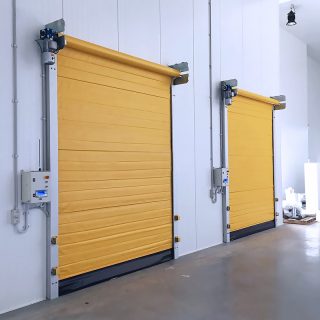
Customized Automatic Repair Zipper Fast Door Manufacturer
Contact UsFast opening and closing speed: The opening speed of the turbo fast door can reach 2.5 meters per second, and the opening speed is fast. It is very suitable for the logistics channel occasions that require frequent opening and closing, and effectively improves the logistics efficiency.
-
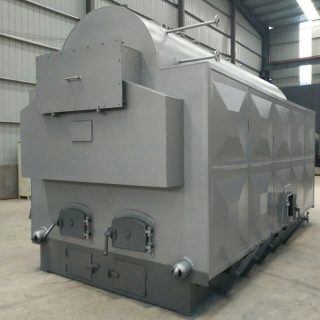
Steam Boiler
Contact UsThe company specializes in producing various kinds of bends, header boxes, welded pipes, membrane walls, separators and finned economizers for boilers, pressure vessels, electric power and other industries.
-
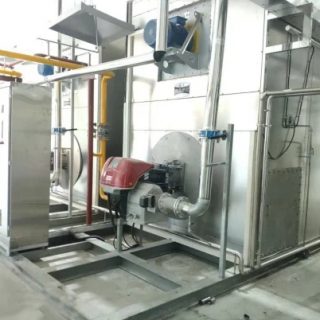
Hot Air Drying Equipment
Contact UsIndirect hot blast stove is a device that transmits heat to the air through indirect heating, mainly used for industrial heating and air conditioning.
-
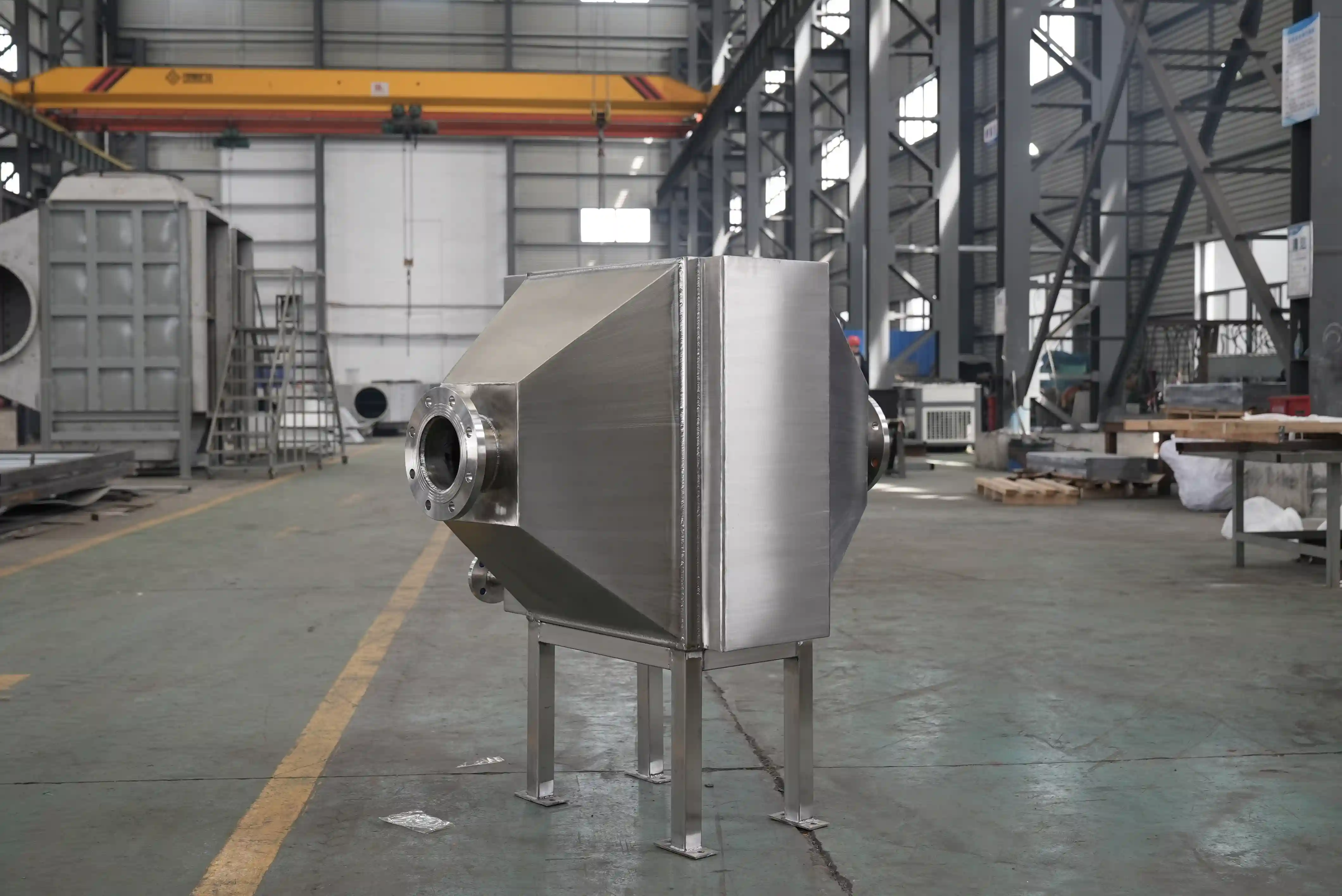
Gas-water heat exchanger
Contact UsWith the rebound consequences of human destruction of nature, such as Greenhouse Effect, air pollution, glacier melting and acid rain, as well as Chai Jing’s in-depth analysis of environmental pollution problems, prompted the department to start various provinces and cities to regulate the issue of waste discharge. Among them, the emission of flue gas is a more prominent and obvious problem of environmental protection and energy saving. The resulting gas heat exchanger has this effect.
Reviews
There are no reviews yet.