
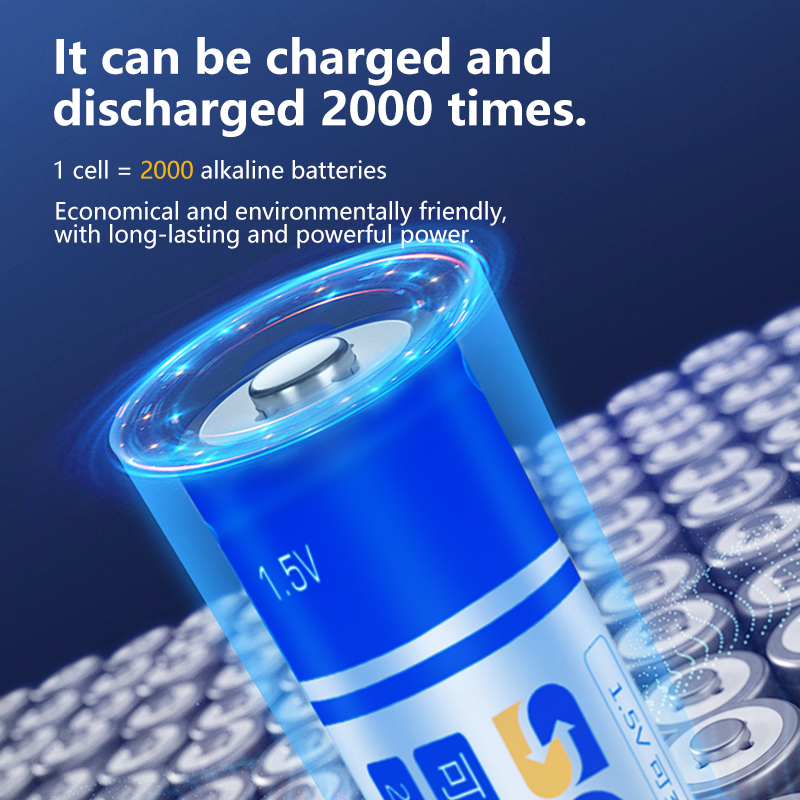
Rechargeable 1.5V Lithium AA/AAA vs Disposables: What the Numbers Actually Say
Rechargeable 1.5V Lithium AA/AAA vs Disposables: What the Numbers Actually Say
I work in battery manufacturing, so take this with the appropriate grain of salt — but I’ve spent enough time on test benches to have opinions about what actually matters, and I’m not going to pretend disposables are useless.
The first thing people get wrong: voltage.
Standard NiMH rechargeables output 1.2V, not 1.5V. Most devices tolerate that fine. Some don’t. Anything with a motor under load, IR remotes at range, devices with a low-battery threshold calibrated to alkaline voltage — they all behave noticeably worse on 1.2V, and people blame the rechargeable instead of the voltage. That’s the single biggest reason “rechargeables are weak” is still a common belief. A 1.5V lithium rechargeable with a regulated output doesn’t have this problem; the device sees what it expects to see for the whole discharge curve.
Alkaline leakage is the hidden cost.
Nobody factors this in until a remote or a clock is destroyed. Alkaline cells leak potassium hydroxide as they age, and it eats contacts, PCB traces, and plastic. It’s not a rare defect — it’s what the chemistry does when it’s left discharged or sits in a warm drawer. In cost-per-use terms, one ruined device wipes out whatever you saved on cheap cells.
Where rechargeables clearly win:
- High-drain devices. Toys, RC cars, camera flashes, motorized anything. Alkaline voltage sags under load; a regulated 1.5V cell holds its output. Longer runtime per charge, and no mid-use slowdown.
- Devices used weekly. Remotes, controllers, wall clocks, kitchen scales. The cycle count adds up fast, and modern lithium rechargeables hold charge for a year or more sitting idle — the old “dead when you need them” problem is largely a NiMH-era memory.
- Cold environments. Lithium chemistry outperforms alkaline at low temperature. Garage door remotes, outdoor sensors, anything in an unheated space.
- Anything with a battery-level indicator that matters. Regulated output means the device’s readings stay consistent instead of drifting as the cell drains.
Where disposables still win, honestly:
- Smoke and CO alarms. Follow the manufacturer’s specified battery type. This isn’t a place to experiment, and it’s not worth arguing about online.
- Devices that sit untouched for years. A rarely used flashlight in a car trunk is better served by a long-shelf-life lithium disposable.
- Devices still under warranty where the manufacturer specifies alkaline and you don’t want to give them an excuse.
The waste math is real but secondary.
One rechargeable replacing several hundred disposables is a genuine reduction, and it’s the reason the category keeps growing. But I’d argue the stronger case is economic and practical: you stop buying batteries, you stop discovering dead ones, and you stop cleaning corrosion off contacts.
What I’d actually like to know from this sub: has anyone here had a device that genuinely refused to work with rechargeables and turned out to be a voltage issue rather than a capacity issue? I’ve got a running list of devices that are picky about 1.5V vs 1.2V and I’m curious whether it matches what other people see.
(Disclosure: I work for a manufacturer that makes both types. I’m not linking anything — just interested in the technical discussion.)
Related products
-
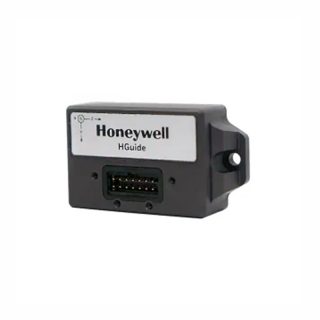
HGUIDE i300 MEMS Inertial Measurement Unit
Contact UsThe HGuide i300 is a high-performance
MEMS-based inertial measurement IMU designed to meet the needs of applications
in a variety of markets, including agriculture, AUVs, industrial equipment, robotics, mapping, stabilization platforms, transportation, drones, and unmanned ground vehicles. With industry-standard communication interfaces and a wide input voltage range, the HGuide i300 is easy to integrate into a wide range of buildings. Extremely small size, light weight and low power consumption -
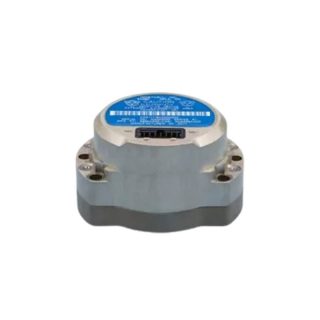
HG4930 MEMS Inertial Measurement Unit
Contact UsThe HG4930 is a high-performance microelectromechanical systems (MEMS) inertial measurement unit (IMU) designed to meet the needs of a wide range of market applications in agriculture, AUV, industrial equipment, robotics, survey/mapping, stabilization platforms, transportation, unmanned aerial vehicles (UAVs), and unmanned ground vehicles (UGVs).
-
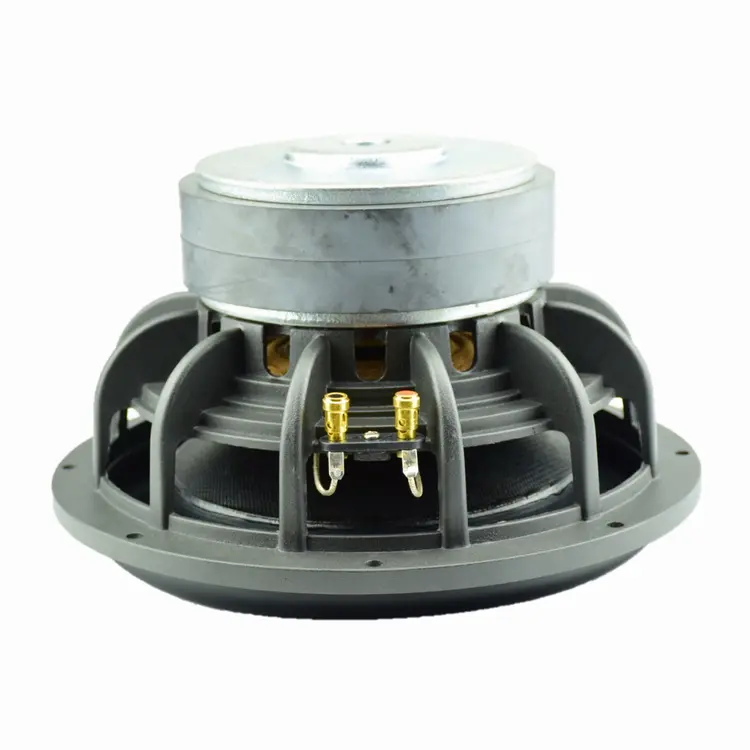
Factory OEM 10 inch large carbon fiber cone woofer subwoofer subwoofer subwoofer speaker home use $72-$79
Contact UsFactory OEM 10 inch big carbon fiber basin woofer speakers super woofer horn super bass loudspeaker subwoofer speaker for home
Factory OEM 10-inch Carbon Fiber Subwoofer (Home Audio) -
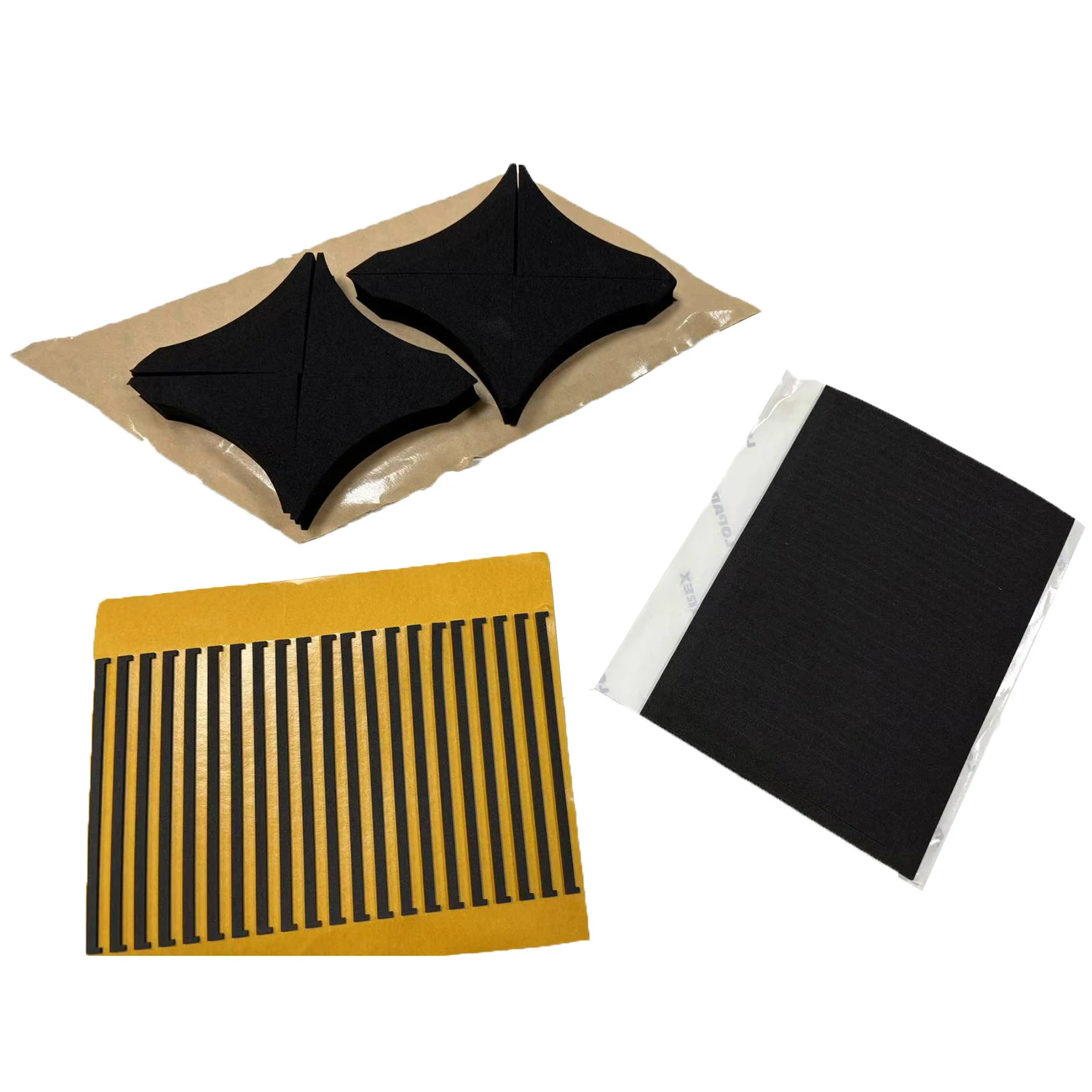
Foam tape
Contact UsWidely used in electronic and electrical products, mechanical components, various small household appliances, mobile phone accessories
Reviews
There are no reviews yet.