
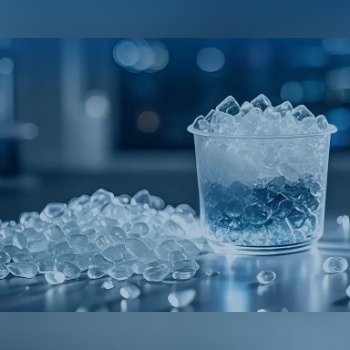
Plastic to Plastic (COMY PTP™)
Under highly selective catalytic pyrolysis of olefins and reformation, COMY converts waste plastics into new plastic monomers and new plastics(also referred to as COMY Monomers).
Under highly selective catalytic pyrolysis of olefins and reformation, COMY converts waste plastics into new plastic monomers and new plastics(also referred to as COMY Monomers).
COMY leverages its proprietary catalyst to efficiently convert mixed waste plastics into propylene. The process also generates by-products like BTX and liquefied substances, all derived from waste plastics and certified at GRS level. The PTP technology has multiple outstanding advantages.
Low-carbon and Eco-friendly
PTP dramatically cuts carbon emissions vs. petroleum-based products.
Recycling Traceability Certification
All components are sourced from waste plastics, and the production process complies with GRS certification standards.
High-Quality Products
Monomers achieve polymer-grade purity with minimal impurities.
Process
Plastic to Plastic enables the full closed-loop chain-waste plastic to pyrolysis oil to new plastic-within a single facility. All products come entirely from waste plastic, with no fuel oil produced, achieving true "oil-free purification." This means every ton of waste plastic is maximally converted into high-value resins (e.g., polypropylene) instead of being diverted to fuel, with higher recycling efficiency than traditional methods.
Related products
-
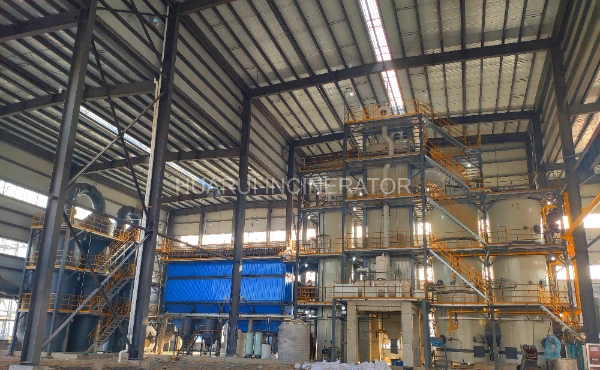
Hazardous waste incineration device project
Contact UsThis project plans to build a treatment of 50,000 tons of organic substance solvents comprehensive recycling and utilization project hazardous waste incineration device, to incinerate the hazardous waste generated by the our factory and for receiving waste from other companies.
-
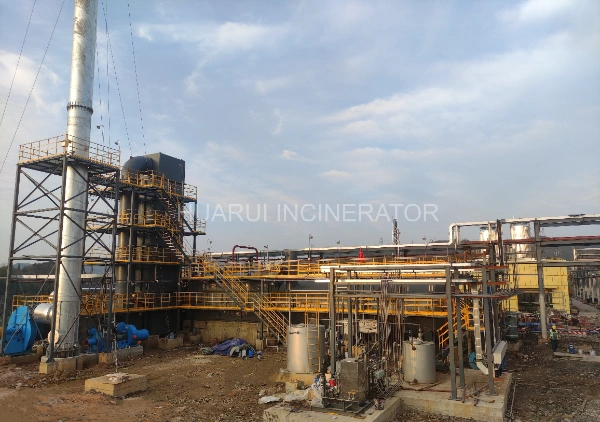
Annual output of 120,000 tons of DMF, 20,000 tons of NMF project – waste liquid and waste gas incineration treatment system
Contact UsThis project plans to build a set of waste liquid and waste gas direct-fired incinerator. Including but not limited to construction drawing design, waste gas feeding system, waste liquid feeding system, combustion assistance and feeding system, incineration system, waste heat recovery system, denitration system, smoke exhaust system, auxiliary system, electronic control instrument system, etc.
-
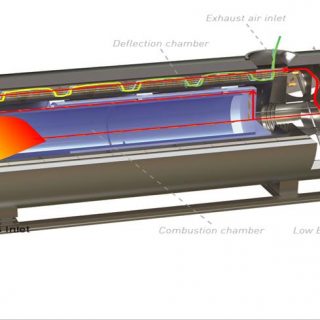
TNV direct fired incinerator
Contact UsDesign and manufacture by using the German EN12753 safety standard and the European ED. It is used Metal Painting and Printing LED Drying:
1. For stable industrial and mining conditions with a high temperature concentration of 1.5g/M3 or above.
2. Industrial and mining conditions with requirements for thermal energy recovery and utilization.
3. Industrial and mining conditions required for the operation of independent drying rooms.
4. Special effects on projects that reduce emissions and increase production -
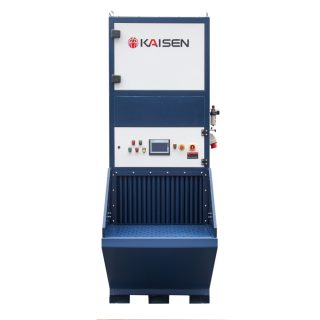
Kssc-zh061k Wet Grinding Dust Collector
Contact UsIt is main applied to flammable, explosive and big spark metal dust.
The air with dust entries into dust collector through suction inlet section under the fan working status, the bigparticles will drop into water tank bottom.
Reviews
There are no reviews yet.