
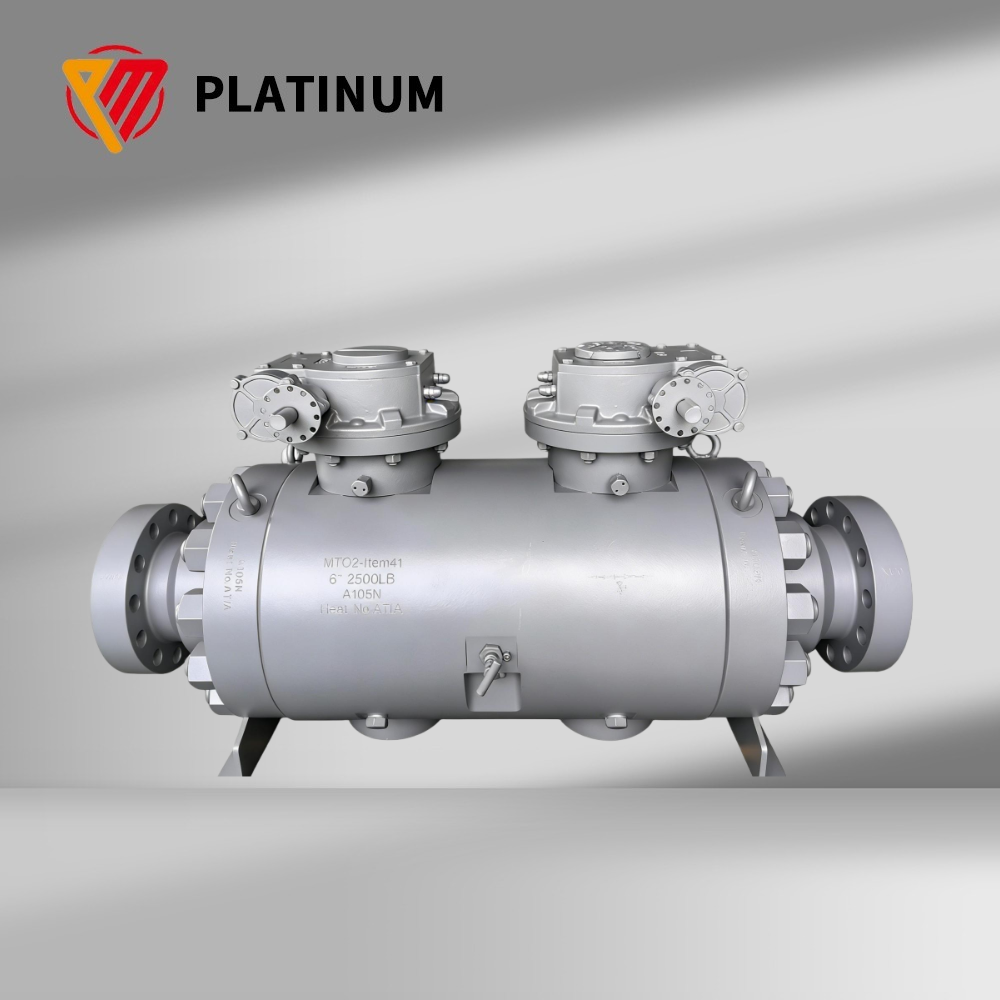
Modular double block & bleed (DBB) valve
Valves suitable for Oil & Gas production, processing, transportation, distribution, chemical and petrochemical refining including system isolation, pressure level and flow measurement, instrument drain, chemical injection and sampling for smaller sizes.
Industrial Valves for Oil & Gas, Chemical, and Petrochemical Applications: Design, Specifications, and Features
Product Overview
Industrial valves play an essential role in controlling fluid flow, regulating pressure, and ensuring safe operation across oil and gas, chemical, and petrochemical industries.
These valves are designed for a wide range of applications, including oil and gas production, processing, transportation, distribution, and refining. Depending on the system requirements, they can be used for pipeline isolation, pressure and flow measurement, instrument drainage, chemical injection, and sampling applications, particularly in smaller sizes.
With multiple design standards, pressure ratings, material options, and connection types available, these valves can accommodate different operating conditions and industrial installation requirements.
Valve Design Standards
The valves are designed in accordance with recognized international industry standards to meet different engineering and application requirements.
Applicable design standards include:
-
API 6D
-
API 6A
-
ASME B16.34
-
ISO 14313
-
ISO 10423
-
ISO 17292
These standards cover different aspects of valve design and application, helping ensure compatibility with relevant industrial systems and engineering specifications.
Main Technical Specifications
The following table outlines the main technical specifications and available configurations.
| Parameter | Technical Specification |
|---|---|
| Temperature Range | -58 to 392°F (-50 to 200°C) |
| Size Range | NPS 1–12 (DN 25–300) |
| Pressure Rating | ASME Class 150–2500 |
| Face-to-Face | As per API 6D standard |
| End Connections | RF, RTJ, BW, and SW |
| Body Design | Forged and cast, bolted two-piece and three-piece |
| Seat Design | Soft-seated or metal-seated |
| Operation | Manual, pneumatic, hydraulic, or electric |
End Connection Options
Different pipeline systems require different end connection configurations. These valves support several connection options to accommodate installation requirements:
-
RF (Raised Face): Flanged connection in accordance with ASME B16.5 and B16.47.
-
RTJ (Ring Type Joint): Ring-type joint flanged connection according to ASME B16.5 and B16.47.
-
BW (Butt Weld): Butt-welded connection in accordance with ASME B16.25.
-
SW (Socket Weld): Socket-welded connection in accordance with ASME B16.11.
The appropriate connection type can be selected according to pipeline design, pressure requirements, and installation conditions.
Available Valve Materials
Material selection is an important consideration when valves are used in demanding industrial environments. Different materials are available to accommodate varying pressure, temperature, corrosion, and fluid compatibility requirements.
Available material options include:
-
Low-temperature carbon steel and low-alloy carbon steel.
-
Stainless steel.
-
Duplex and Super Duplex stainless steel.
-
Nickel alloys.
-
Titanium.
The final material selection should be based on the operating medium, temperature, pressure, and corrosion conditions of the application.
Body and Seat Design Options
Body Design
The valves are available in forged and cast body configurations, with bolted two-piece and three-piece designs.
These structural options provide flexibility for different valve sizes, operating conditions, and installation requirements.
Seat Design
Different seat configurations are available to meet specific sealing and operating requirements, including:
-
Soft-seated or metal-seated designs.
-
Hard-facing on ball and seats.
-
Double piston seats.
-
Combination seats.
The appropriate seat structure depends on the required sealing performance, operating conditions, and characteristics of the process medium.
Key Design Features
To support reliable operation in demanding industrial applications, these valves can be equipped with various sealing, safety, and maintenance-related features.
1. Double Block and Bleed (DBB) Design
The DBB configuration provides two sealing barriers with a bleed function between them, supporting isolation and pressure verification in suitable applications.
2. Secondary Seals in Pure Graphite
Pure graphite secondary seals are available to provide additional sealing support under specified operating conditions.
3. Anti-Static Device
An anti-static device helps prevent the accumulation of static electricity during valve operation.
4. Anti-Blowout Stem
The anti-blowout stem design helps prevent the stem from being ejected from the valve body under internal pressure.
5. Emergency Sealant Injection
Emergency sealant injection provisions are available for the seats and stem, providing an additional sealing option when required.
6. Low Fugitive Emission Stem Packing
Low-emission stem packing options are available to help reduce fugitive emissions in accordance with applicable requirements.
7. Flexible Sealing Configurations
Different sealing arrangements are available, including O-ring, lip seal, and graphite configurations.
8. Corrosion-Resistant Alloy (CRA) Overlay
CRA overlay can be applied to dynamic sealing areas or all wetted parts, depending on project requirements, to provide additional corrosion protection.
9. Extended Bonnet Design
Extended bonnets are available for low- and high-temperature applications, helping accommodate specific operating and installation conditions.
Valve Operation Options
Different operating methods can be selected according to valve size, installation location, automation requirements, and operating conditions.
-
Manual Operation: Available with a wrench or gear operator, with padlocking options.
-
Pneumatic Actuation: Suitable for systems requiring pneumatic control.
-
Hydraulic Actuation: Available for applications requiring hydraulic operation.
-
Electric Actuation: Suitable for integration into automated control systems.
The appropriate operator can be selected according to the control system and project specifications.
Testing and Certifications
Inspection, testing, and certification are important considerations when selecting valves for oil and gas, chemical, and petrochemical applications.
The available testing and compliance requirements include:
-
API 6D, ISO 5208, and API 598: Inspection and testing requirements.
-
API 607: Fire-safe design and fire testing.
-
IEC 61508: SIL 3 certification.
-
ISO 15848: Fugitive emission testing and requirements.
-
PED 2014/68/EU: Pressure Equipment Directive compliance.
Specific testing procedures and certification documentation should be confirmed according to the valve model and project requirements.
Conclusion
Selecting industrial valves for oil and gas, chemical, and petrochemical applications requires careful consideration of design standards, pressure ratings, temperature ranges, materials, seat configurations, and operational requirements.
With multiple body designs, end connection options, sealing arrangements, and manual or actuated operation methods, these valves can be configured for different industrial pipeline and process system applications.
By matching valve specifications with actual operating conditions and applicable industry standards, users can identify suitable valve solutions for system isolation, fluid control, and other critical process requirements.
Related products
-
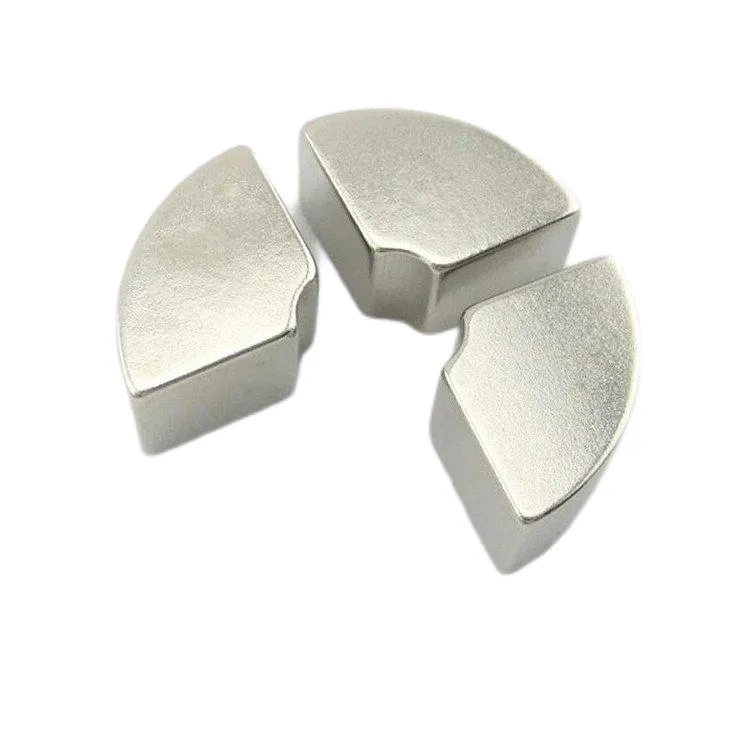
Customized Special Shaped Strong Magnets
Contact Us1.Customized Special Shaped Strong Magnets
2.Size:customized
3.Grade:selectable
4.Cladding:ZN/NI/NICUNI/Black epoxy -
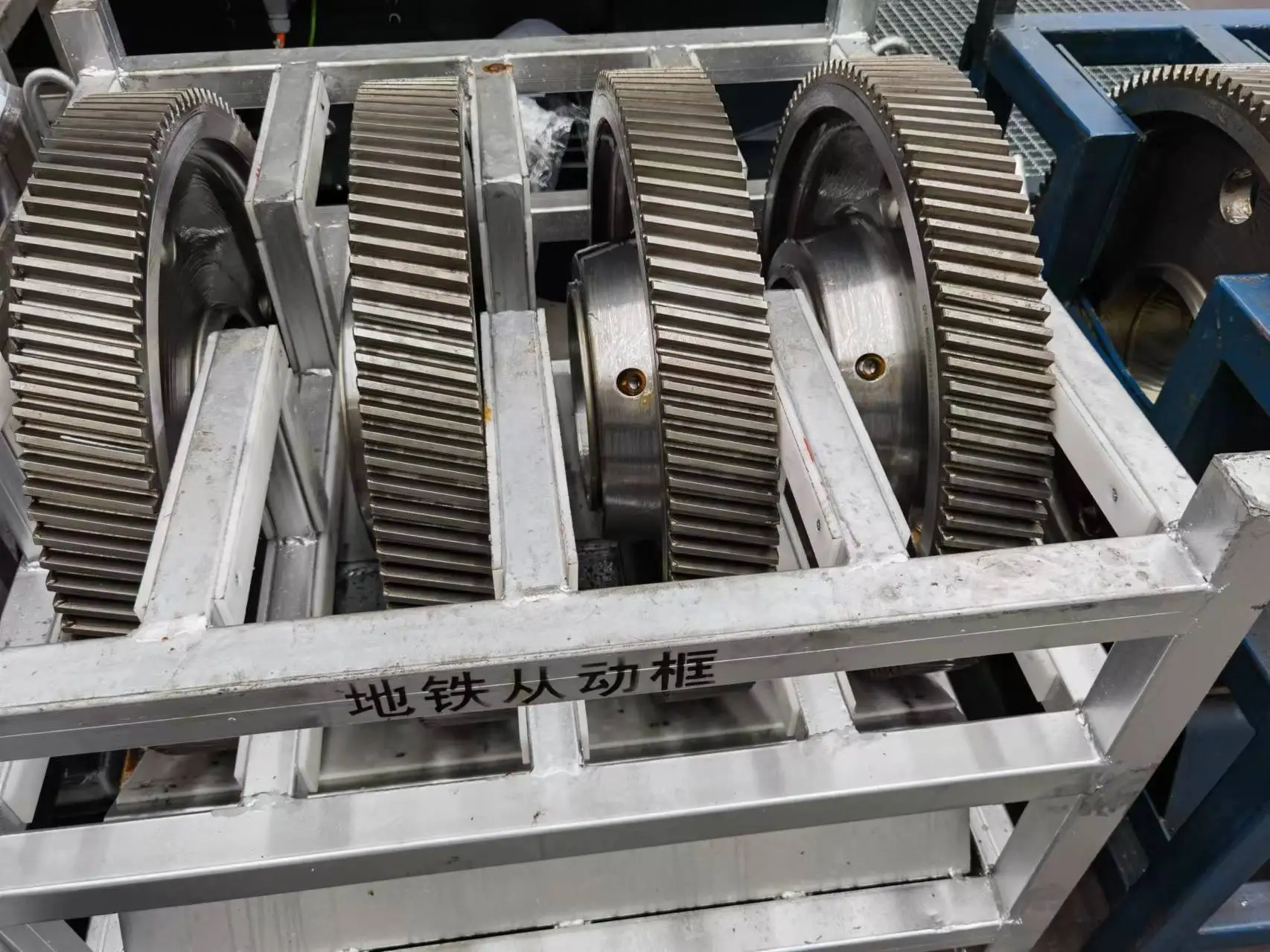
High quality rail transportation gear
Contact UsThe company’s main products are high precision involute cylindrical gears,We specialize in manufacturing of gears products such as spur gear,helical gear, herringbone gear…
-
Engineering gears
Contact UsThe company’s main products are high precision involute cylindrical gears,We specialize in manufacturing of gears products such as spur gear,helical gear, herringbone gear…
-
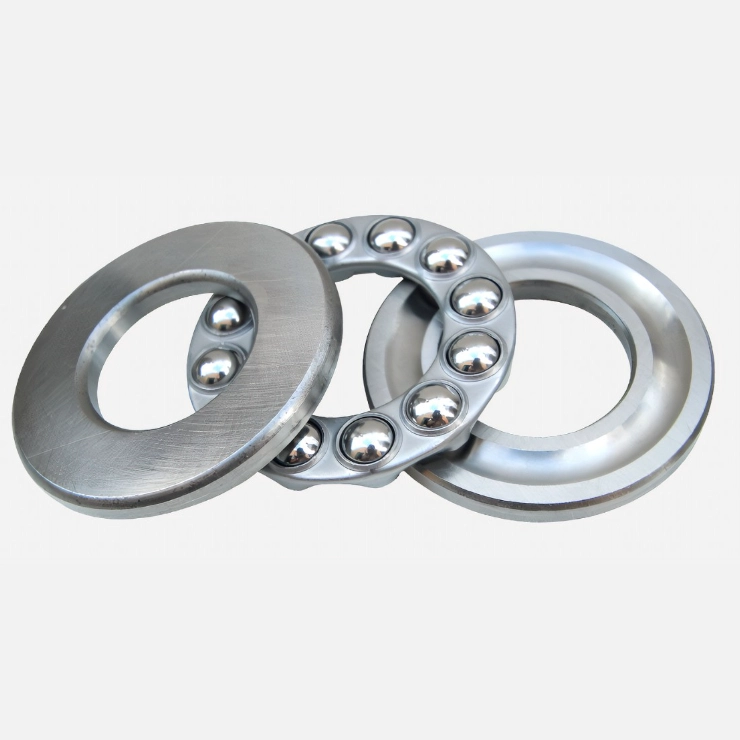
Stainless Steel Thrust Ball Bearing
Contact UsPrecision:ABEC-1,ABEC-3
Material:Chrome steel,stainless steel
OEM service:Custom Bearing size,logo,packing
Certifications:ISO9001 or IATF 16949
Payment terms:T/T, L/C, D/A,D/P,Western Union
Capacity:500,000pcs
Delivery time:1 week for sample, 30-60days for mass production
Packing details:rolled in VCI paper+plastic bag+carton
Reviews
There are no reviews yet.