
How To Spot Humidity Damage In Veterinary Test Strips Today
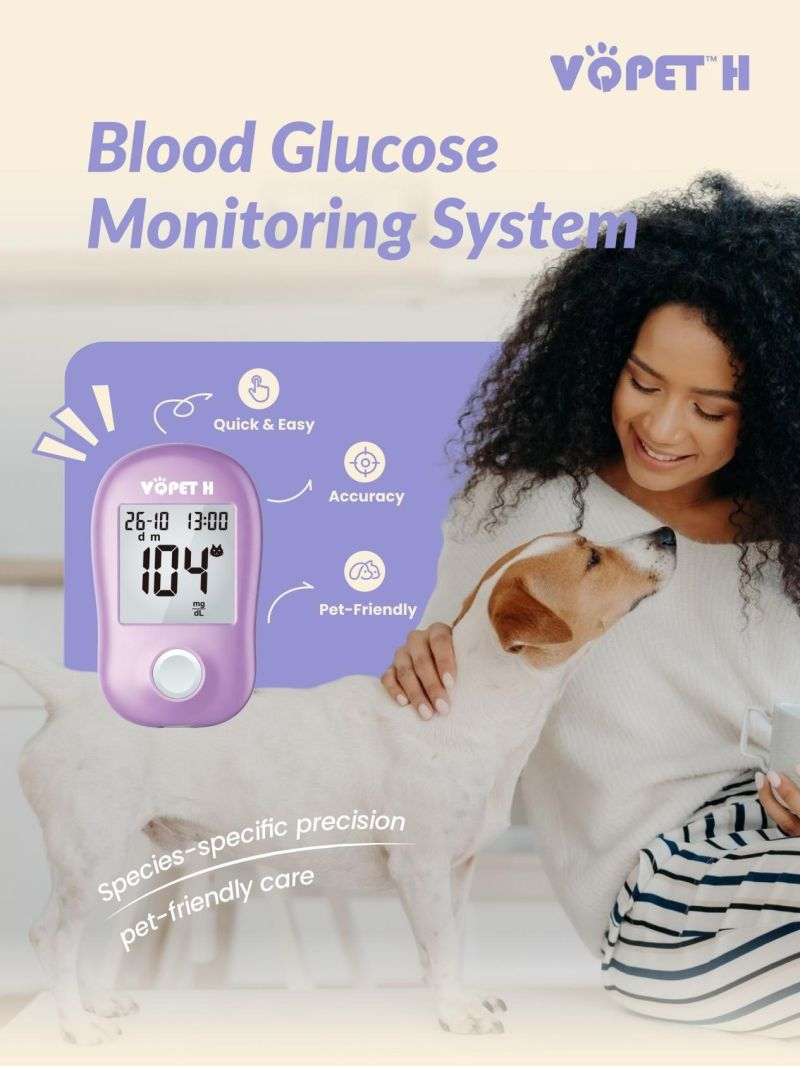
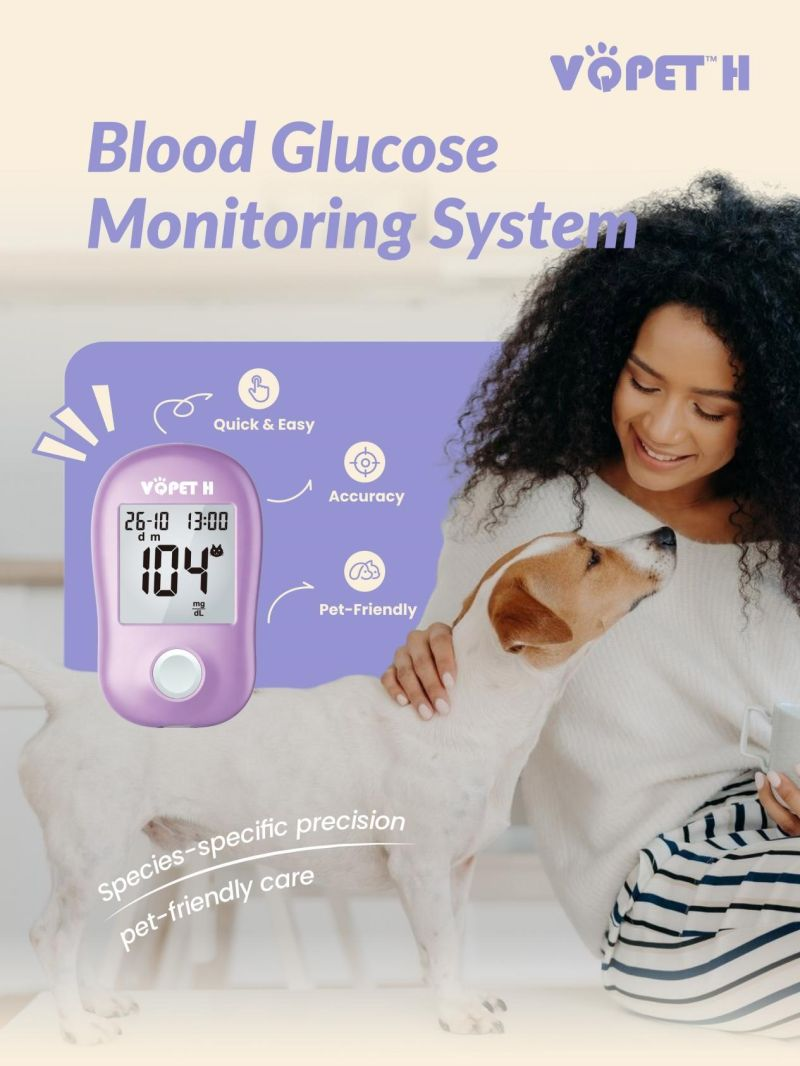
VQPET H is a veterinary blood glucose monitoring system calibrated for cats, dogs, rabbits, and rats. It uses VQPET H test strips.
Why Humidity Control Matters for Veterinary Diagnostic Strips
Veterinary point-of-care testing depends on the chemical integrity of reagent strips and lyophilized reagents. Any exposure to excess moisture can compromise reaction chemistry, leading to inaccurate glucose, ketone, coagulation, or chemistry readings in companion animals or livestock. For clinics and farms relying on rapid, in-house diagnostics, understanding how to recognize humidity-related degradation—and how to prevent it in the first place—is essential to maintaining diagnostic confidence.
VivaChek Biotech (Hangzhou) Co., Ltd., a high-tech enterprise and POCT product manufacturer operating under the brand name VivaChek, has built its veterinary diagnostics portfolio around strict storage and quality control standards. While the specific inquiry references "VQPET H" veterinary strips, the general principles for inspecting humidity damage apply broadly across VivaChek’s veterinary testing line, which includes the Veterinary Coagulation and Chemistry Combo, Blood Glucose Monitoring System, Blood Ketone Monitoring System, and Milk Ketone Monitoring System.
Key Signs a Strip or Reagent May Be Compromised
Visual Inspection
The first and most practical check for humidity exposure is a visual review of the strip or reagent packaging. Reagents used in VivaChek’s veterinary combo testing solutions are formulated as lyophilized reagent—a freeze-dried form designed specifically to reduce moisture sensitivity and extend usability. When properly sealed, these reagents maintain a stable structure. Any visible clumping, discoloration, or a change in the expected dry, powder-like appearance of a lyophilized reagent may indicate that moisture has penetrated the packaging.
Packaging Integrity
VivaChek’s veterinary reagents are packaged in a controlled format: 1 test/pouch, with 20 tests/kit or 10 tests/kit. This individual pouch design is intended to protect each test from cross-contamination and environmental exposure until the moment of use. Before running a test, users should examine whether the pouch seal is intact. A torn, punctured, or improperly resealed pouch is one of the most common entry points for humidity to reach the reagent before its intended use.
Storage Condition Review
One of the most reliable indicators of potential humidity damage is a review of how the product was stored relative to its specified requirements. VivaChek’s veterinary coagulation and chemistry reagents carry a defined reagent storage condition of 2-8 °C (35.6 °F – 46.4 °F). If strips or reagents have been stored outside this temperature range, or in an environment with uncontrolled ambient humidity—such as near open windows, in non-climate-controlled storage rooms, or in direct exposure to outdoor air—the risk of moisture-related degradation increases significantly, even if no visible damage is immediately apparent.
Shelf Life Verification
Checking the product’s manufacture date against its stated shelf life of 12 months is another important step. Reagents nearing or past their shelf life, especially if storage conditions were inconsistent, are more susceptible to performance issues, including those caused by gradual humidity ingress over time.
How VivaChek’s Testing Platform Supports Reliable Results
VivaChek’s veterinary diagnostic solutions are built on a centrifugal microfluidic platform, a technology designed to deliver rapid, consistent results for coagulation and chemistry testing in veterinary settings. This platform supports:
- Sample types: Whole blood and plasma for coagulation testing; whole blood, plasma, and serum for chemistry testing
- Sample volume: 140 μL for chemistry testing and 180 μL for coagulation testing
- Test time: ≤15 minutes for coagulation and ≤13 minutes for chemistry
These defined technical parameters are only meaningful if the reagents used in the testing process remain within their intended storage and handling conditions. A reagent affected by humidity, even subtly, can shift the expected reaction time or sample volume requirements, which is why strip or reagent inspection before each use is a recommended practice for veterinary professionals.
Practical Steps for Checking Strips Before Use
For veterinary professionals and technicians running diagnostic tests with VivaChek’s veterinary combo products, a short pre-use checklist can help confirm reagent integrity:
- Check the pouch seal. Confirm that the individual test pouch remains sealed and has not been opened or damaged prior to use.
- Confirm storage history. Verify that the reagent has been kept within the 2-8 °C (35.6 °F – 46.4 °F) range throughout its storage period.
- Inspect the reagent appearance. Since the reagent is lyophilized, it should appear as a dry, stable compound. Any change in texture or clumping should prompt further caution.
- Review the shelf life. Cross-reference the manufacture date with the 12-month shelf life to ensure the reagent has not expired.
- Avoid repeated exposure. Since each pouch is designed for a single test, avoid opening multiple pouches in advance or exposing reagents to open air for extended periods before testing.
Why This Matters for Veterinary Diagnostic Accuracy
Accurate, timely diagnostic results are central to effective animal care, whether in companion animal clinics or livestock management settings. VivaChek’s veterinary diagnostic offerings—including the Veterinary Coagulation and Chemistry Combo Analyzer—are designed to support professionals who need dependable coagulation, chemistry, glucose, and ketone data without relying on external laboratory turnaround times. Maintaining reagent integrity through proper humidity and storage management is a necessary complement to the technical capabilities built into the testing platform itself.
VivaChek’s broader quality management framework, which aligns with China GMP compliance, the international ISO system, and other recognized standards, reflects a structured approach to product reliability from manufacturing through to the point of use. For veterinary professionals working with VivaChek’s diagnostic strips and reagents, following manufacturer-specified storage conditions and conducting routine pre-use inspections remains the most direct way to safeguard against humidity-related performance issues and to support confident, accurate diagnostic decision-making in veterinary care settings.
Ultimately, consistent attention to packaging integrity, storage temperature, reagent appearance, and shelf life expiration offers a practical, evidence-based method for identifying potential humidity damage in veterinary diagnostic strips and reagents before they are used in clinical or field settings.
Related products
-
ESR Tube
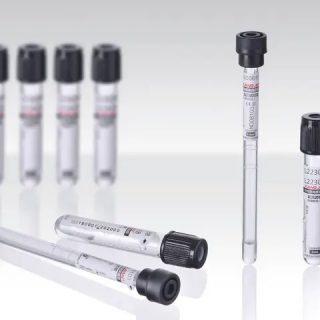
Contact UsESR Tube is applicable to various Automated Erythrocyte Sedimentation Rate Analyzers. Due to little volume and negative pressure inside the tube, it needs some time for blood collection.
-
6-Benzyl 2-tert-butyl 2,6,9-triazaspiro[4.5]decane-2,6-dicarboxylate
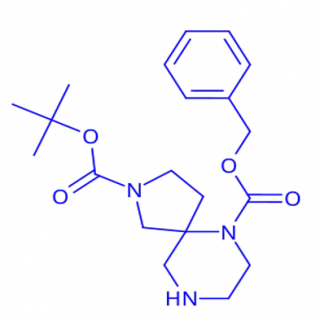
Contact Us6-Benzyl 2-tert-butyl 2,6,9-triazaspiro[4.5]decane-2,6-dicarboxylate CAS: 1160247-10-8 Product Name: 6-Benzyl 2-tert-butyl 2,6,9-triazaspiro[4.5]decane-2,6-dicarboxylate MF: C20H29N3O4 Appearance:
-
-

L-tyrosine
Contact Us【Synonyms】:4-Hydroxyphenylalanine 【CAS No.】:60-18-4 【Formula】:C9H11NO3 【Molecular Weight】:181.19 【Appearance】:White crystal powder; insoluble in water, methanol and ethanol
Reviews
There are no reviews yet.