
How Can Food Businesses Reduce Packaging Supply Chain Disruptions?
Food packaging supply chain stability depends on reliable suppliers, flexible sourcing, effective procurement coordination, and timely delivery planning.
Food packaging availability has a direct effect on production schedules, restaurant operations, and product distribution. A shortage of takeaway containers, food bowls, cups, or protective packaging can interrupt daily operations even when food ingredients and labor are readily available. For businesses that depend on regular packaging deliveries, food packaging supply chain management is therefore a practical part of operational planning.
Supply disruptions can come from several sources, including raw material shortages, transportation delays, supplier capacity constraints, changes in import procedures, and unexpected demand fluctuations. These risks are not always preventable, but their impact can be reduced through better sourcing decisions, supplier communication, and procurement planning.
Identify the Main Sources of Packaging Supply Chain Risk
The first step is recognizing where disruptions are most likely to occur. Packaging procurement often involves several connected stages, from raw material sourcing and manufacturing to transportation, customs clearance, warehousing, and final delivery.
A problem at any stage can affect the availability of finished packaging products.
Common supply chain risks include:
-
Raw material shortages: Limited availability of paper, pulp, bamboo-based materials, or other packaging inputs may affect production schedules.
-
Manufacturing constraints: Equipment maintenance, labor shortages, production backlogs, or quality issues can delay orders.
-
Transportation disruptions: Port congestion, shipping delays, route changes, and container shortages can extend delivery times.
-
Import and regulatory changes: Documentation requirements or changes in import procedures may affect customs clearance.
-
Demand fluctuations: Seasonal demand, promotional campaigns, and sudden increases in foodservice orders can place pressure on packaging supply.
A risk assessment should consider both the likelihood of each disruption and its potential operational impact. A delay involving a frequently used takeaway container may be more urgent than a delay involving a rarely ordered promotional item.
Avoid Excessive Dependence on a Single Packaging Supplier
A single-supplier strategy can simplify purchasing and communication, but it may create problems when that supplier experiences production or delivery difficulties. Businesses that rely on one source for essential packaging products may have limited options during unexpected disruptions.
A more resilient sourcing structure can include:
-
A primary supplier for regular purchasing.
-
A qualified secondary supplier for critical packaging categories.
-
Alternative products that meet the same operational requirements.
-
Clear procedures for switching suppliers when necessary.
Supplier diversification does not mean purchasing every product from multiple companies. Maintaining too many supplier relationships can increase administrative work and make quality control more difficult.
Instead, businesses should identify packaging items that are essential to daily operations and assess whether backup sourcing is practical. Product dimensions, material properties, food-contact documentation, printing requirements, and packaging compatibility should all be reviewed before approving an alternative supplier.
Evaluate Supplier Reliability Beyond Unit Price
A low quotation does not necessarily indicate a reliable supply arrangement. Packaging buyers should consider the supplier's ability to maintain consistent product quality, communicate production changes, and meet agreed delivery schedules.
Several factors can help with supplier evaluation:
| Evaluation Factor | What Buyers Should Check |
|---|---|
| Production capability | Whether the supplier can support the required product range and order volume |
| Quality consistency | Inspection procedures, product specifications, and batch consistency |
| Delivery performance | Historical lead times and communication about delays |
| Documentation | Material information, product specifications, and relevant compliance documents |
| Communication | Response time, order updates, and issue resolution |
| Supply flexibility | Options for alternative products or adjusted order arrangements |
For international sourcing, buyers should also clarify which party is responsible for export documentation, shipping coordination, and communication when a delivery schedule changes.
A supplier's reliability is best assessed through documented performance and actual order experience rather than general marketing claims.
Build Better Coordination Between Procurement and Suppliers
Poor communication can turn a manageable delay into a major operational problem. Procurement teams may not receive early notice of production changes, while suppliers may not know when a customer has an urgent requirement.
Regular communication helps both sides respond earlier.
Useful practices include:
-
Sharing purchasing forecasts based on expected business demand.
-
Confirming order specifications before production begins.
-
Agreeing on expected production and shipping milestones.
-
Requesting early notice of material shortages or capacity changes.
-
Establishing a clear contact process for urgent order issues.
Forecast sharing should not be treated as a fixed purchase commitment unless both parties have agreed to specific quantities and terms. It is primarily a way to give suppliers better visibility into expected demand.
For businesses with multiple locations, centralized procurement can also improve coordination. A consolidated view of packaging requirements makes it easier to identify critical products and communicate purchasing priorities.
Prepare Alternative Packaging Options Before a Shortage Occurs
An alternative packaging product is only useful when it meets the actual requirements of the application. Switching containers at short notice without checking dimensions, material suitability, lid compatibility, or food presentation can create new operational problems.
For example, a restaurant may use several container types for hot meals, cold dishes, sauces, and takeaway orders. A substitute container must be suitable for the food it will hold and compatible with the business's existing packing and delivery processes.
Before approving an alternative, buyers should review:
-
Dimensions and capacity: The container should accommodate the intended food portion.
-
Material suitability: The material should match the food type and expected handling conditions.
-
Closure and fit: Lids and bases should be compatible and secure during normal handling.
-
Storage requirements: The alternative should fit existing storage and packing arrangements.
-
Branding requirements: Printed designs, labels, and other brand elements may need adjustment.
-
Sample evaluation: Samples should be checked under realistic operating conditions before large-scale adoption.
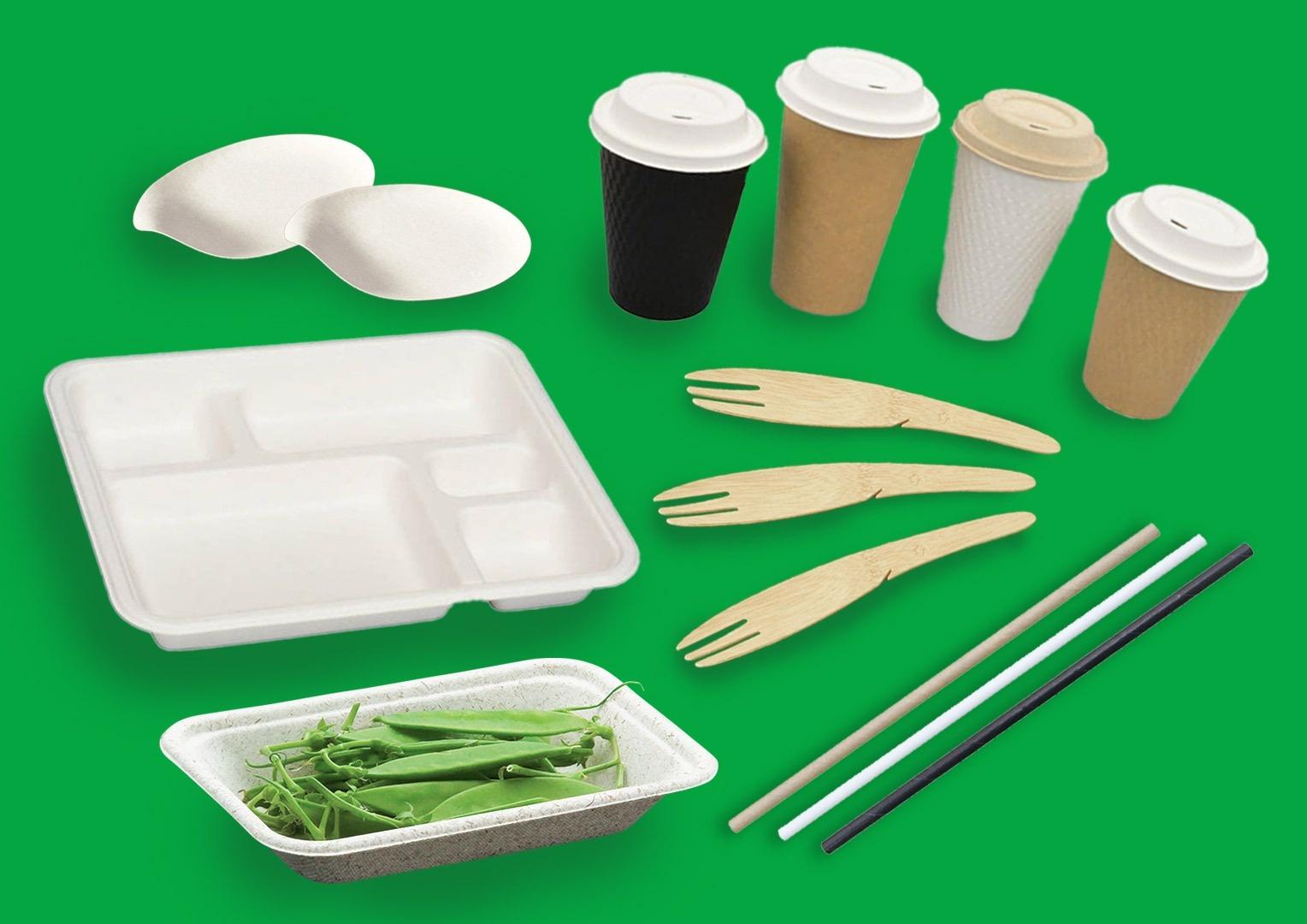
Sustainable alternatives also require careful assessment. Bamboo-based and molded fiber packaging may be suitable for certain foodservice applications, but product performance depends on the material composition, structure, and intended use. Buyers should request relevant product documentation rather than assume that all fiber-based packaging has the same properties.
Improve Visibility Across International Packaging Procurement
International packaging purchases involve more coordination than domestic orders. Production completion, export handling, ocean freight, customs clearance, and inland transportation all influence the final delivery date.
A purchase order confirmation alone does not provide a complete picture of shipment progress.
A practical procurement process should track key milestones, such as:
-
Order confirmation and specification approval.
-
Production scheduling and completion.
-
Pre-shipment inspection, where applicable.
-
Export documentation preparation.
-
Shipment departure and estimated arrival.
-
Customs clearance and final delivery.
Buyers should also clarify how delivery dates are calculated. Production lead time, port-to-port transit time, and total door-to-door delivery time are different measurements. Confusing these stages can lead to unrealistic purchasing expectations.
For products with custom printing or specialized dimensions, artwork approval and sample confirmation should be included in the schedule. These steps may affect production readiness and should not be overlooked when planning replenishment.
Include Sustainable Packaging in Long-Term Sourcing Plans
Sustainability requirements are becoming part of packaging procurement decisions for many foodservice businesses, retailers, and distributors. However, changing packaging materials should not create avoidable supply risks.
A transition to sustainable food packaging requires consideration of product availability, material documentation, manufacturing consistency, transportation arrangements, and suitability for the intended application.
Procurement teams can begin by identifying which packaging categories are suitable for material changes. Bowls, plates, takeaway containers, and protective trays may have different structural and performance requirements, so one material solution should not automatically be applied to every product.
For bamboo-based and molded fiber packaging, buyers can discuss material options, product dimensions, packaging applications, and available customization details with potential suppliers. Samples and supporting documentation should be reviewed before a large-scale purchasing decision.
A phased sourcing strategy can also reduce operational pressure. Businesses may begin with selected product categories, evaluate performance and supply consistency, and then consider wider adoption based on actual purchasing experience.
A Practical Checklist for More Resilient Packaging Procurement
A reliable packaging supply chain depends on several connected decisions rather than one purchasing adjustment. The following checklist can help procurement teams review their current arrangements.
| Procurement Area | Recommended Action |
|---|---|
| Supply risk | Identify critical packaging items and potential disruption sources |
| Supplier structure | Assess the need for qualified secondary suppliers |
| Supplier evaluation | Review quality, delivery records, communication, and documentation |
| Product alternatives | Approve suitable substitutes before urgent situations arise |
| Order coordination | Share forecasts and confirm production milestones |
| International shipping | Track production, export, transit, and delivery stages |
| Sustainable sourcing | Verify material suitability and supporting product information |
Regular reviews are also useful because supplier capacity, shipping conditions, business demand, and packaging requirements can change over time. A sourcing arrangement that worked well last year may need adjustments as purchasing volumes or product specifications evolve.
A resilient food packaging supply chain requires more than competitive quotations and regular purchasing. Supplier reliability, sourcing flexibility, product compatibility, clear communication, and international delivery coordination all influence whether packaging arrives when businesses need it.
Foodservice operators, distributors, and importers can reduce disruption risks by identifying critical packaging categories, qualifying alternative suppliers, and reviewing backup products before a shortage occurs. For businesses considering bamboo-based or other sustainable packaging options, early product evaluation and supplier communication can also support a more stable transition.
Bambusian works with bamboo-based packaging solutions for different food packaging applications. Businesses exploring suitable product options, customization requirements, or wholesale sourcing arrangements can Contact Us to discuss their packaging needs.
Related products
-
35L Commercial Electric Pressure Cooker
Contact UsKitchen Appliance Hotel Catering Commercial Intelligent Industrial Electric Pressure Cooker with CE Certification and Large Capacity Source Factory
-

Extreme Cold Survival Expert
Contact UsThe chimney diameter has been expanded to 3.15 inches (8cm), and the internal cyclone diversion structure has increased the smoke exhaust efficiency by 70%.
-

21L Liter lH Rice Cooker
Contact UsKitchen Appliance Hotel Catering Commercial Intelligent Industrial Electric Pressure Cooker with CE Certification and Large Capacity Source Factory
-
41L Commercial Electric Pressure Cooker
Contact UsKitchen Appliance Hotel Catering Commercial Intelligent Industrial Electric Pressure Cooker with CE Certification and Large Capacity Source Factory
Reviews
There are no reviews yet.