
High Speed Coreless Motors for Precision Instruments Guide
We develop sub-5mm micromotors with FPC winding for high yield and low cost. AI optimizes power performance. Our 4mm motor suits medical, wearable and drone devices.
High Speed Coreless Motors for Precision Instruments Guide
Why High Speed Coreless Motors Matter in Precision Instrument Design
Precision instruments—micro-surgical robots, optical positioning stages, miniature haptics, and micro pumps—share one recurring bottleneck: the drive motor. Engineers evaluating a high speed coreless motor for precision instruments are typically balancing three constraints at once: rotational speed, unit mass, and thermal headroom. A fraction of a gram and a few degrees of temperature rise can determine whether an instrument meets its motion specification in the field.
This guide examines what defines a high speed coreless motor, why sub-6mm production remains difficult, and how VAXOR-MOTOR (VAXOR) approaches these constraints through integrated micro-actuation solutions built around ultra-micro brushless and coreless electromagnetic designs.
What Defines a High Speed Coreless Motor?
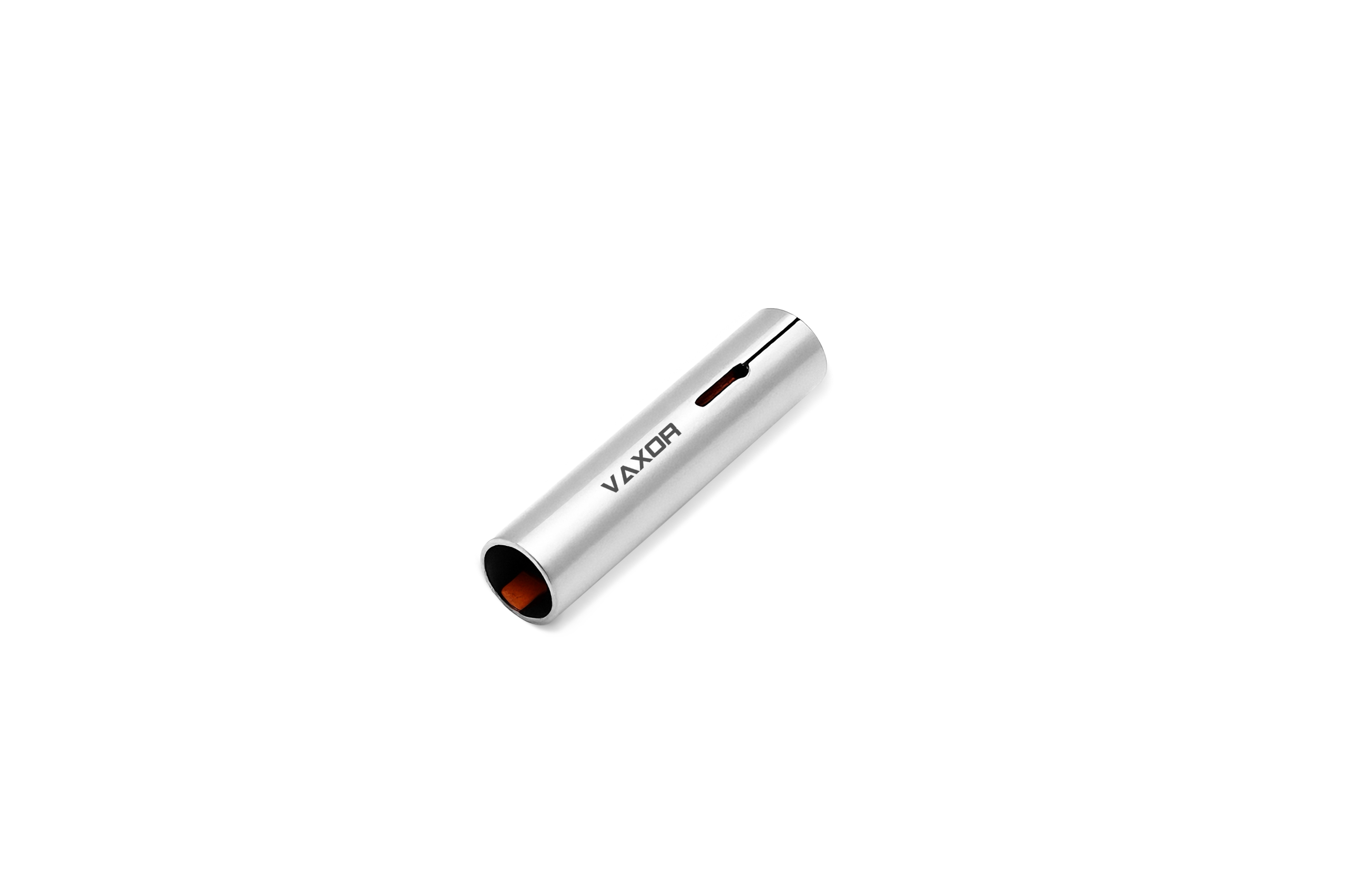
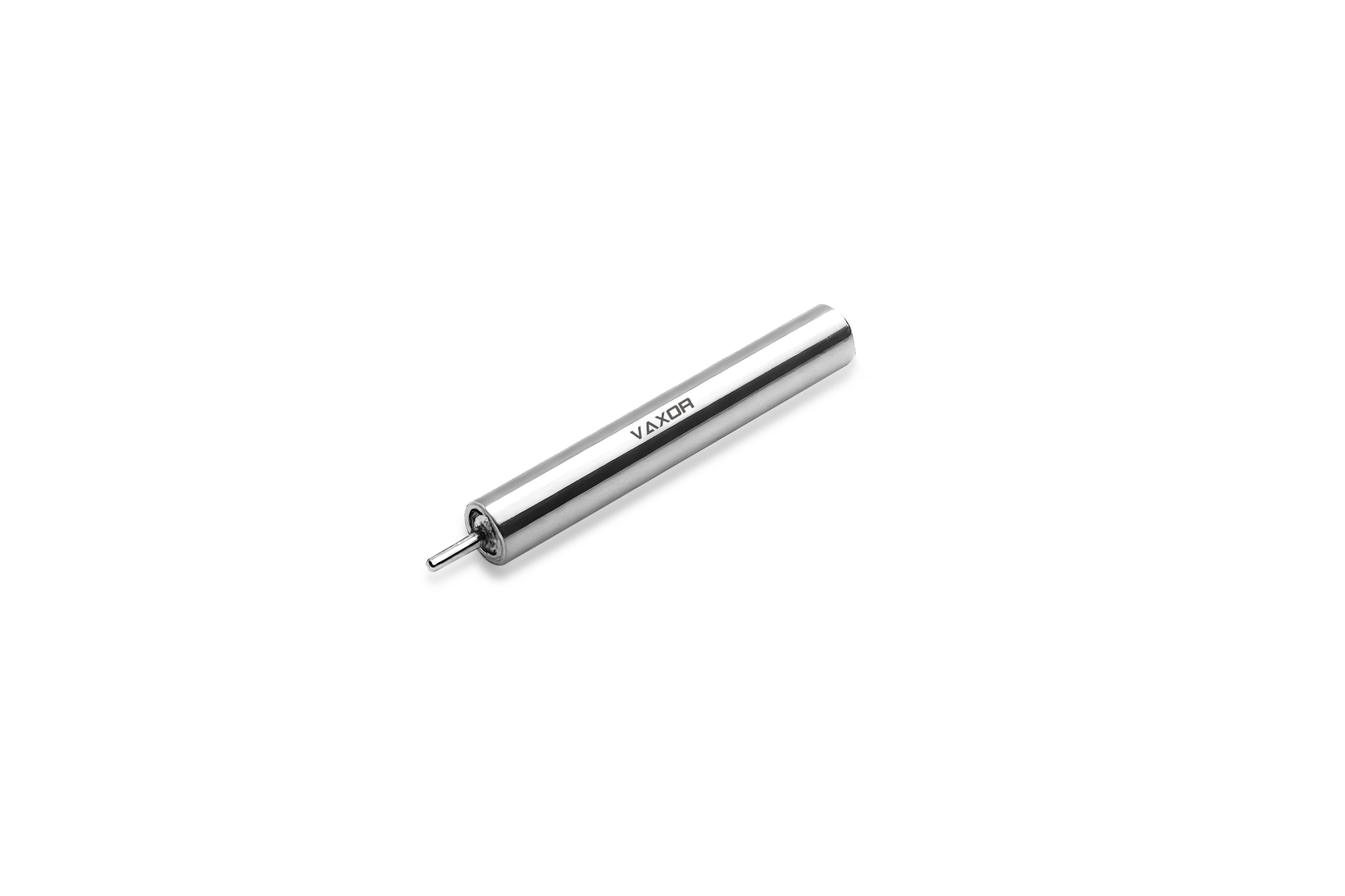
A coreless motor is an electromagnetic machine that omits the conventional iron core in its rotor structure, which reduces inertia and supports rapid acceleration and deceleration. When combined with brushless commutation, the result is a drive that can sustain very high no-load speeds while remaining compact enough for instrument-scale assemblies.
VAXOR-MOTOR’s technical methods include optimized electromagnetic design for brushless and coreless systems alongside a modular design architecture. That combination is what allows its ultra-micro motors to hold phase balance at instrument-grade tolerances while occupying footprints measured in millimeters.
The Persistent Problem With Sub-6mm Motor Production
The materials describing VAXOR-MOTOR’s G04P / G05P / G06P series identify a specific target scenario pain point: high cost and low yield in sub-6mm motor production. This is not a marketing abstraction. As motor geometry shrinks, winding consistency, phase imbalance, and thermal behavior become harder to control simultaneously, and yield losses translate directly into unit cost.
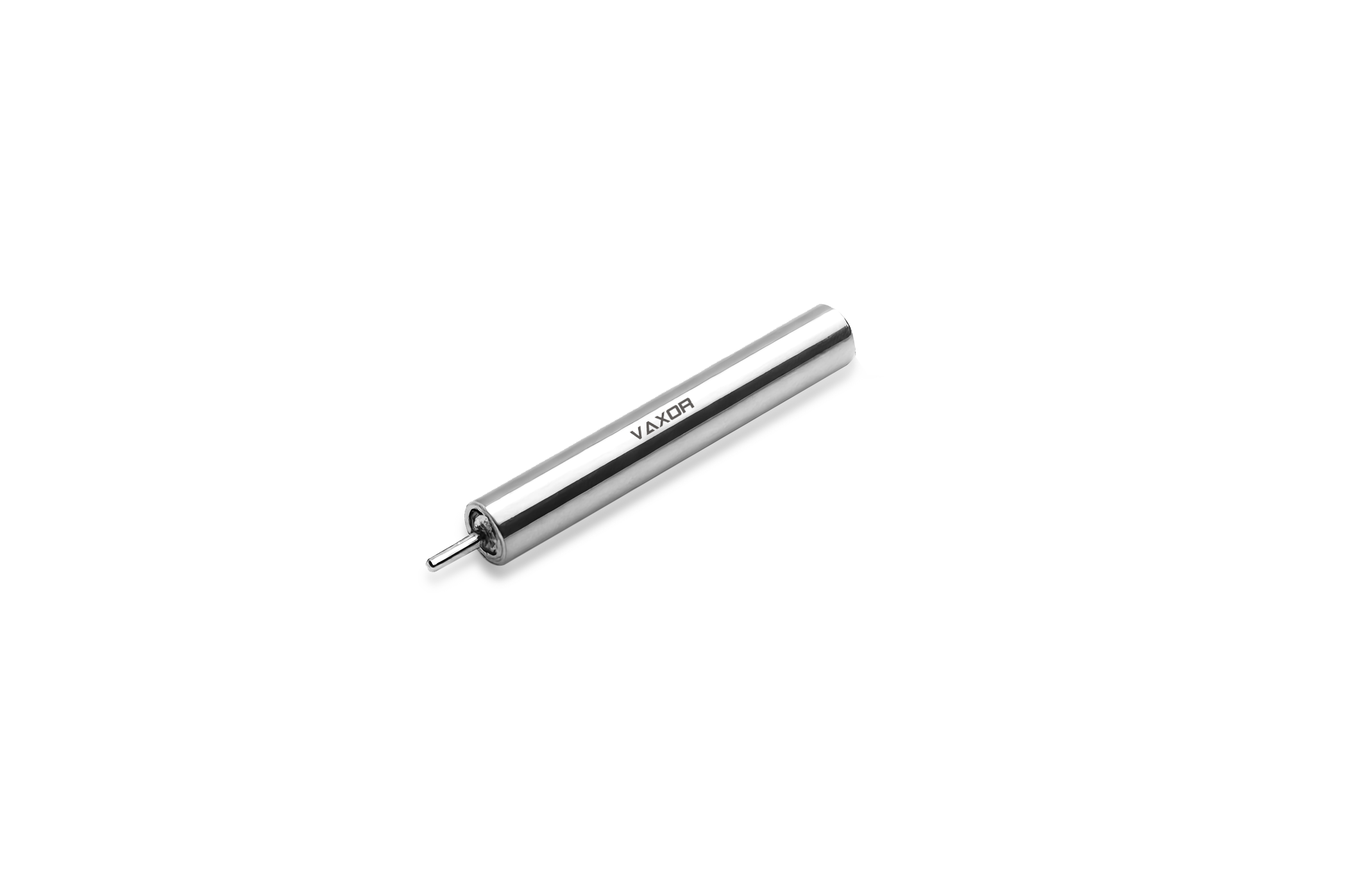
The company’s answer is yield optimization: on its ultra-micro motors, phase imbalance is controlled within 5%. According to the company’s own positioning, that tolerance reduces costs and improves reliability, because a more balanced phase structure produces more predictable electrical and thermal behavior across a production batch.
The VAXOR-MOTOR Ultra-Micro Brushless and Coreless Motor Platform
The G04P / G05P / G06P series is positioned as ultra-compact power for precision instruments, with the product line described as optimized electromagnetic components for medical robots, drones, and wearables. The platform is characterized by three properties.
Power Density in a Sub-Gram Package
Motor units range from 1.7g to 3.75g while reaching speeds up to 63,000 RPM. For instrument designers, low mass has a compounding effect: less rotor inertia, less structural load on the surrounding stage, and more freedom in how the drive is mounted within an already tight enclosure.
High-Speed Performance
No-load speeds range from 55,000 to 63,000 RPM, which the company positions as suitable for micro-pumps and drones. In practice, this speed class supports fluid displacement architectures and fast-response actuation that lower-speed motors cannot reach within the same envelope.
Thermal Resistance and Electrical Efficiency
The motors support chassis temperatures up to 145°C, which the materials describe as reliable operation in high-performance compact environments. Terminal resistance as low as 1.6Ω further improves electrical efficiency, reducing losses that would otherwise appear as heat in an instrument where heat is difficult to dissipate.
Where These Motors Are Applied
The knowledge base documents four adaptation areas for the G04P / G05P / G06P platform.
- Medical: micro-surgical robots, where compact size and controlled behavior are prerequisites.
- Photonics: precision optical adjustments, where phase imbalance within 5% supports stable positioning performance.
- Consumer electronics: miniature haptics and pumps.
- Fluid transmission: Micro Pump Systems that employ the G05P ultra-micro motor at 55,000 RPM to drive fluid transmission in medical and consumer applications, described as delivering low cost together with high power density.
Aerospace micro drones and optical instruments also appear in the company’s industry coverage, reflecting the same requirement profile: low mass, high speed, and disciplined thermal behavior.
From Motor to Complete Actuation Stack
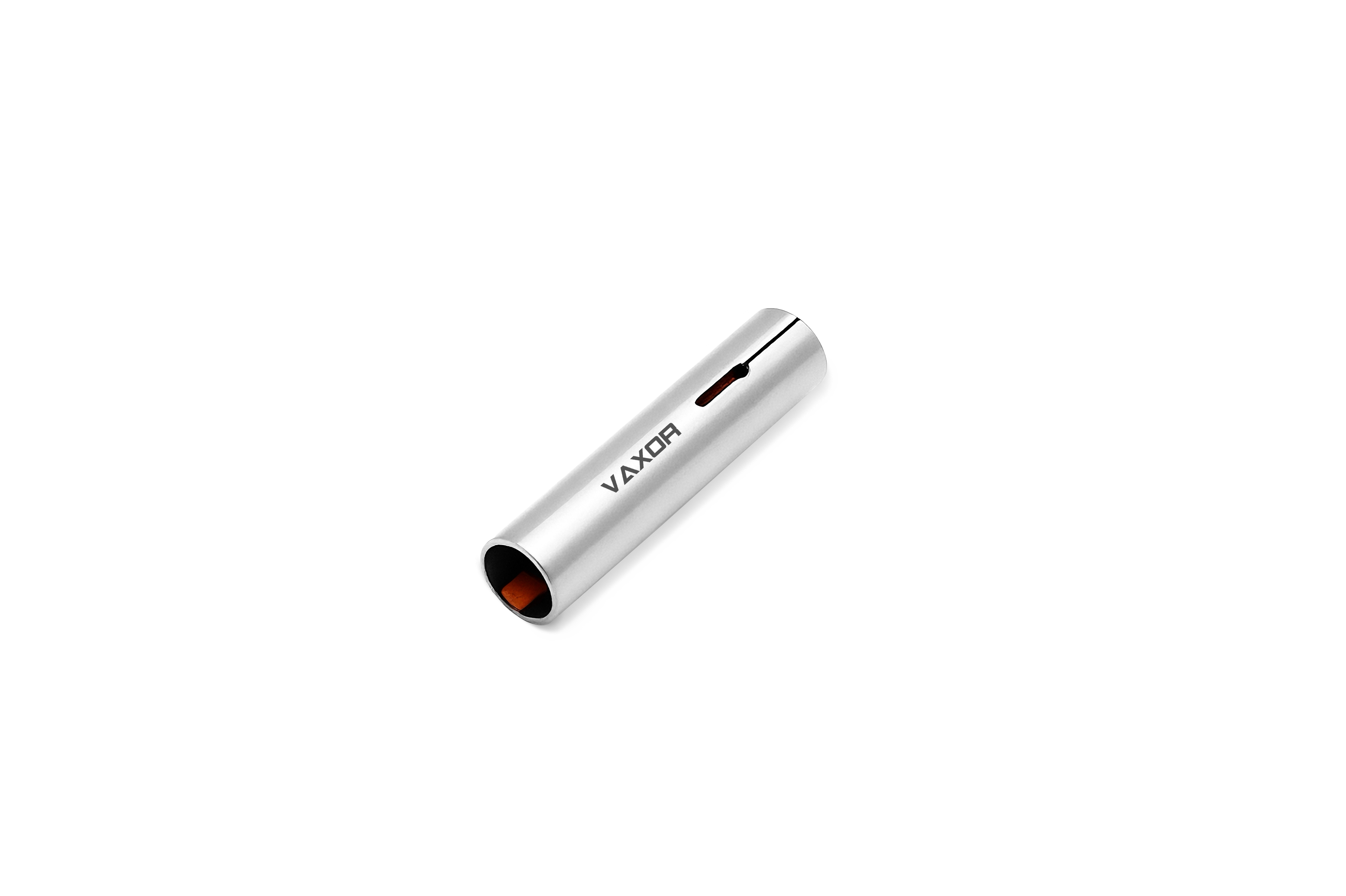
Instruments rarely need a motor in isolation. VAXOR-MOTOR positions itself as a provider of integrated micro-actuation solutions, and its broader portfolio shows how the coreless motor platform connects to a complete drive architecture.
The micro joint actuator modules—Φ16mm (X16S / X16L), Φ20mm (X20S / X20L), Φ25mm (X25S-UZ / X25S-BZ), and Φ30mm (X30S-UZ / X30S-BZ)—combine axial flux motors, micro cycloidal gear reducers, and non-contact absolute magnetic encoders. Actuator diameters span Φ16mm to Φ30mm, with continuous stalling torque from over 7.1 mNm on the Φ16mm units up to 1500 mNm at a ratio of 50 on the Φ30mm units. Backlash reaches as low as 15–20 Arcmin, and gear efficiency reaches up to 75% for specific modules.
For system integration, the platform supports 12V, 24V, and 48V DC bus systems, with SPI and CAN FD communication protocols and an FPC 7PIN (0.5mm pitch) interface carrying VCC, GND, CS, SCK, MOSI, MISO, and CAL (calibration). This standardized interface is what allows instrument manufacturers to move from a bare motor to a networked multi-axis system without redesigning the harness.
How to Evaluate a High Speed Coreless Motor Supplier
Because sub-6mm motors are difficult to produce consistently, procurement decisions should weigh more than a datasheet’s headline speed figure.
Ask for phase balance data. A supplier controlling phase imbalance within 5% is signaling production discipline that shows up later as batch-to-batch consistency.
Verify the thermal envelope. A stated chassis limit—for example, 145°C—should be matched against the instrument’s actual duty cycle and heat path.
Confirm electrical characteristics. Terminal resistance as low as 1.6Ω affects both efficiency and the drive electronics required to run the motor.
Request test data, not just specifications. VAXOR-MOTOR’s service model is hardware provision plus technical integration support, and its service assurance includes the provision of detailed technical specifications and test data for electric drive assemblies to verify performance parameters such as torque, speed, and thermal data.
Check integration readiness. Communication protocol support (SPI, CAN FD) and interface standardization (FPC 7PIN) determine how much engineering work remains after the motor arrives.
Questions Instrument Designers Commonly Ask
Can a coreless motor be used in an optical positioning system?
Yes. The knowledge base documents Photon Optics as an application, where ultra-micro brushless motors are used for precision positioning in optical instruments, with the benefit attributed to phase imbalance below 5% for stable performance.
Is a high-speed micro motor suitable for fluid handling?
Yes. Micro Pump Systems employ the G05P ultra-micro motor at 55,000 RPM to drive fluid transmission in medical and consumer applications.
Does the supplier offer support beyond the component?
VAXOR-MOTOR’s model combines hardware provision with technical integration support, and the company states it is open to discussions regarding product-related questions and parameter range verification.
Conclusion
For precision instruments, the high speed coreless motor is not a commodity part—it is a design decision that shapes mass budget, thermal strategy, and control architecture. VAXOR-MOTOR addresses that decision with the G04P / G05P / G06P ultra-micro platform, defined by 1.7g to 3.75g unit mass, 55,000 to 63,000 RPM no-load speeds, 145°C chassis thermal tolerance, terminal resistance as low as 1.6Ω, and phase imbalance within 5% for yield optimization. Combined with its micro joint actuator modules, axial flux motors, micro cycloidal gear reducers, and non-contact absolute magnetic encoders, the company presents a coherent path from single motor to integrated micro-actuation system for robotics, medical devices, industrial automation, and consumer electronics.
Related products
-
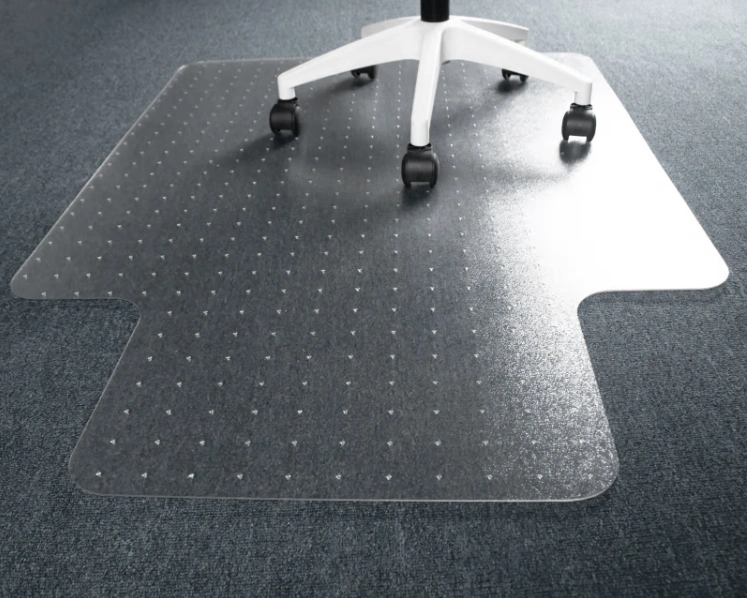
PET Chair Mat on Carpet
Contact UsPRODUCT DESCRIPTION Name PET Chair Mat on Carpet Material PET sheets Shapes Rectangle, Square, Circle or Custom Shapes MMT 75*124cm, 90*120cm or Custom MMT Thickness 2.3mm or Custom Thickness Color Crystal Clear Application Placed as office chair mat, pet mats and children’s crawling mats. It can also be placed on the top of the carpets …
-
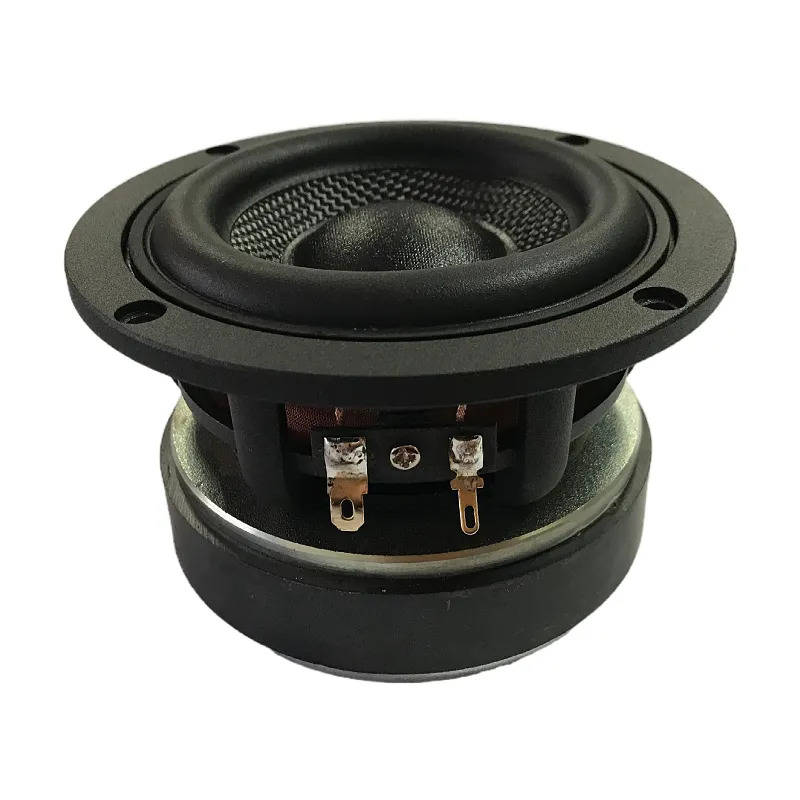
4.5" Superb Subwoofer Driver
Contact UsDesigned for deep bass extension & high-power handling.400W Peak Power: Robust output for home theater/car audio.Dual Spider Design: Enhances linearity, reduces distortion.
-
-
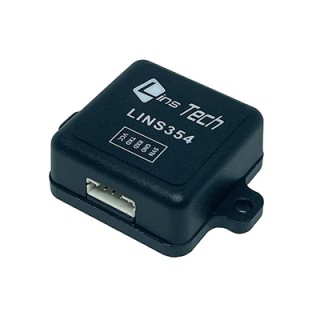
LINS354 Industrial Grade IMU with Gyroscope ± 400°/s Accelerometer ± 6g
Contact UsRange:
gyroscope ± 400°/s,
accelerometer ± 6gZero bias instability:
gyroscope 4°/h
accelerometer 30ug

Reviews
There are no reviews yet.