
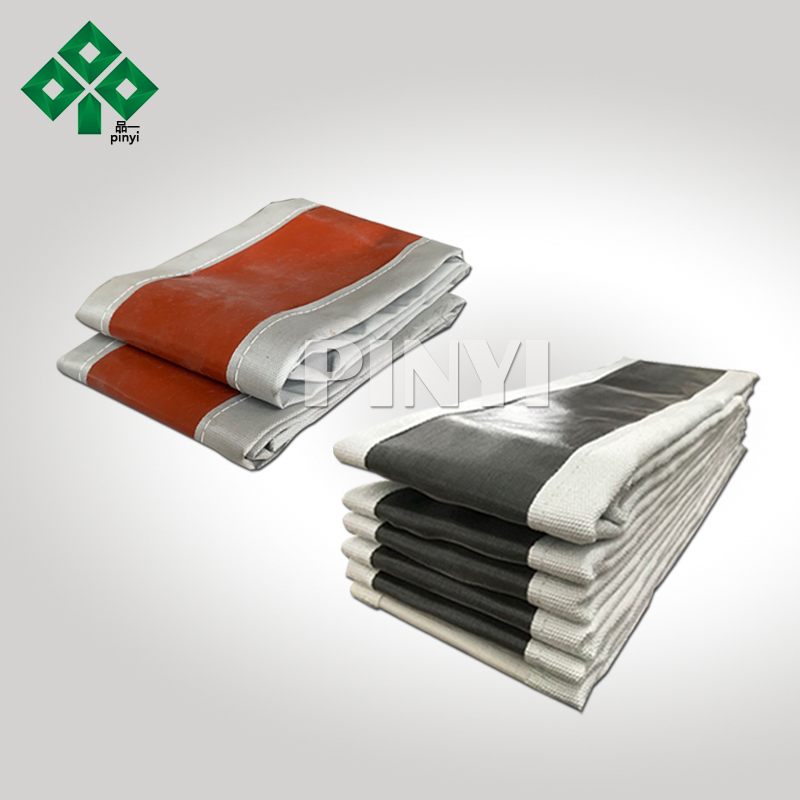
Heat-resistant Fabric Expansion Joint with Multi-layer
High temperature fabric joint delivers flexible, heat resistant and corrosion-proof duct connection performance, reducing vibration and stress in industrial airflow and exhaust pipelines.
Product Overview
The high temperature fabric joint produced by Pinyi is a flexible compensation element designed for industrial ducting, ventilation, and exhaust environments where thermal movement, vibration, and pressure fluctuations are constant challenges. Manufactured in Jiangsu, China, this product integrates advanced composite material engineering with stable production processes to ensure long-term operational reliability.
Unlike rigid connectors, this flexible joint is engineered to absorb multi-directional movement while maintaining sealing performance under extreme temperature and corrosive conditions. It is widely used in boiler ducts, fan outlets, long-distance pipelines, and industrial air handling connections where structural flexibility and durability are required.
Structural Composition and Material Design
The performance of this high temperature fabric joint is achieved through a carefully engineered multi-layer structure. Each layer is selected to provide a specific functional advantage, ensuring stability under harsh operating conditions.
Typical structure includes:
-
Outer reinforcement layer using 304 stainless steel mesh for mechanical strength
-
Silicone, FPM, or EPDM coating layer for sealing and elasticity
-
PTFE layer for chemical resistance and anti-adhesion performance
-
Fiberglass or ceramic fiber layer for thermal insulation
-
Insulation cotton layer for heat reduction and energy control
-
Internal fiberglass reinforcement layer for structural balance
This layered configuration ensures that the joint maintains flexibility while resisting deformation, corrosion, and thermal degradation over time.
Technical Specifications
The product is available in multiple configurations to meet different engineering requirements. Each model is designed for specific pressure and temperature conditions while maintaining consistent structural integrity.
| Product Code | Structure Highlights | Width Range | Temperature Range |
|---|---|---|---|
| SZPY300–1200 | Multi-layer reinforced composite structure | 0.2–1.2m | -40°C to 800°C |
All models are designed for high adaptability, ensuring compatibility with various duct sizes and industrial applications. The modular structure allows customization based on project requirements.
Performance Advantages
This fabric expansion joint material is engineered to deliver stable performance in demanding environments. It combines thermal resistance with mechanical flexibility, making it suitable for continuous industrial operation.
Key advantages include:
-
Excellent high temperature resistance for extreme airflow conditions
-
Strong wind pressure resistance for stable duct operation
-
Acid and alkali corrosion resistance for chemical environments
-
Anti-aging performance for long service life
-
Wear resistance under continuous vibration and airflow impact
-
Effective noise reduction and vibration isolation
These characteristics make it an ideal alternative to traditional metal compensators, especially in applications requiring lightweight and flexible connection solutions.
Application Benefits in Industrial Ducting
The fabric duct expansion joints are widely applied in industrial ventilation and exhaust systems where thermal expansion and mechanical stress must be controlled effectively. Their flexible structure helps reduce stress concentration at connection points, improving overall duct stability.
Key functional benefits include:
-
Reduction of vibration transmitted from fans and boilers
-
Improved airflow stability across long-distance pipelines
-
Lower mechanical stress on duct flanges and supports
-
Enhanced acoustic damping performance
-
Simplified duct design and installation flexibility
These advantages contribute to improved operational efficiency and reduced maintenance requirements in industrial environments.
Installation and Engineering Considerations
Proper fabric expansion joint installation is essential for ensuring long-term performance and system stability. Installation must be carried out with attention to alignment, sealing pressure, and structural support.
Important installation guidelines include:
-
Ensure accurate flange alignment before fastening
-
Avoid excessive tension on flexible layers
-
Maintain uniform sealing contact across the joint surface
-
Use compatible fastening materials to prevent thermal mismatch
-
Allow sufficient movement space for thermal expansion
Correct installation ensures that the joint performs effectively under thermal cycling and mechanical vibration conditions.
Manufacturing Strength of Pinyi
Pinyi is a professional manufacturer specializing in glass fiber-based flexible products. With over a decade of production experience, the company continuously improves material formulations and manufacturing techniques based on long-term industry feedback.
Key strengths include:
-
Direct manufacturing with no intermediary cost
-
Strict ISO 9001 and SGS quality certification standards
-
Advanced material selection and engineering support
-
Customized design capability for different industrial needs
-
Stable long-term production capacity of up to 100,000 meters per month
-
Full technical support from design to after-sales service
This ensures consistent product quality and reliable supply for global industrial clients.
Packaging and Delivery
All products are carefully packaged to ensure safe transportation and storage. Depending on order requirements, packaging is available in carton boxes or pallet configurations.
-
Minimum Order Quantity: 1 piece
-
Packaging: Carton or pallet
-
Delivery Time: 5–20 days after payment
-
Payment Terms: D/P, T/T
-
Supply Capacity: 100,000 meters per month
This flexible logistics structure ensures efficient global distribution and timely project support.
Why Choose This High Temperature Fabric Joint
Compared with traditional metal compensators, this solution offers a more efficient balance of flexibility, weight reduction, and thermal resistance. It is specifically designed for environments where durability and adaptability are critical.
The product ensures:
-
Lower installation cost
-
Easier replacement and maintenance
-
Higher adaptability to complex duct layouts
-
Improved vibration and noise control
-
Long-term operational stability
FAQ
Q1: What is the main function of a high temperature fabric joint?
It compensates for thermal expansion, vibration, and structural displacement in industrial duct systems.
Q2: What materials are used in fabrication?
It includes fiberglass, ceramic fiber, PTFE layers, insulation cotton, and stainless steel reinforcement.
Q3: Can it replace metal compensators?
Yes, in most ventilation and exhaust applications, it provides better flexibility and vibration absorption.
Q4: What temperature range does it support?
It operates reliably from -40°C up to 800°C depending on configuration.
Q5: Is customization available?
Yes, Pinyi provides customized sizes, materials, and structural designs based on project requirements.
Related products
-
Clear View
Contact UsET Station Limited,紮根香港十五載,是大灣區備受推崇的專業貼膜服務商。我們的總部優雅坐落於新界大埔山燕路8號Grand Palisades,交通便利,環境舒適。多年來,我們始終秉持精益求精的工匠精神,為香港本地、內陸及整個大灣區的尊貴客戶提供卓越的貼膜解決方案。
作為行業先驅,我們專營XPELVision家居建築保護膜系列產品,這些高科技膜材不僅能有效隔熱隔紫外線,還能提升居住空間的舒適度與安全性。我們的建築貼膜產品適用於住宅、商業空間、辦公樓等各類建築,可有效降低能源消耗,保護室內傢俱不受陽光損害,同時保持室內私密性。
憑藉十五年專業技術積累與不懈創新,ET Station Limited已發展成為業內享有盛譽的貼膜專家。我們的技師團隊經過嚴格培訓與認證,熟悉各類建築結構和玻璃特性,能夠提供最適合您需求的貼膜方案。我們使用先進的施工工具和技術,確保每一次貼膜都完美無瑕,經久耐用。
憑藉十五年專業技術積累與不懈創新,ET Station Limited已發展成為業內享有盛譽的貼膜專家。我們的技師團隊經過嚴格培訓與認證,熟悉各類建築結構和玻璃特性,能夠提供最適合您需求的貼膜方案。我們使用先進的施工工具和技術,確保每一次貼膜都完美無瑕,經久耐用。 -
Semi Matte Cotton-Linen Canvas
Contact UsCotton canvas is a durable, versatile fabric from cotton, ideal for bags, art, and decor, valued for its strength and timeless appeal.
-
BBQ for outdoor kitchen
Contact UsCrafted for the discerning grill enthusiast, this barbecue grill is engineered for durability and exceptional performance.
-
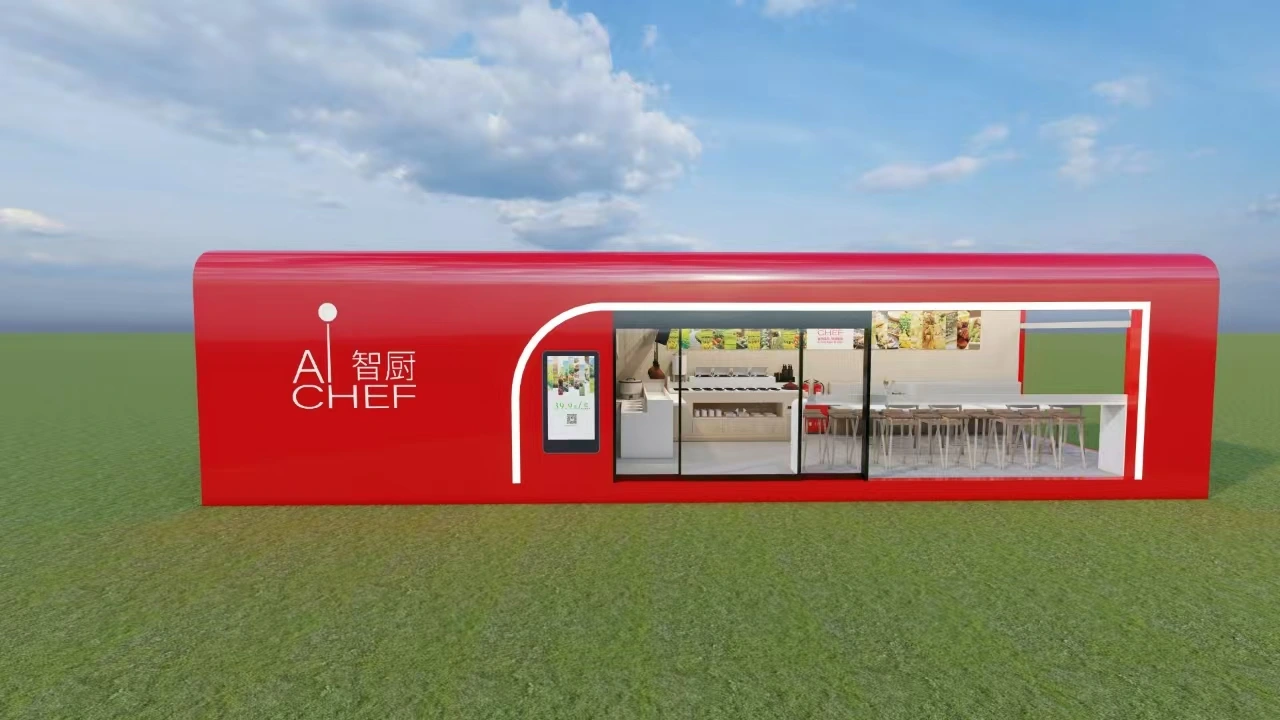
Multi-functional Food Trucks
Contact UsWhether it’s for outdoor events, street food, or family gatherings, this versatile food cart is designed to meet all your needs.
Reviews
There are no reviews yet.