
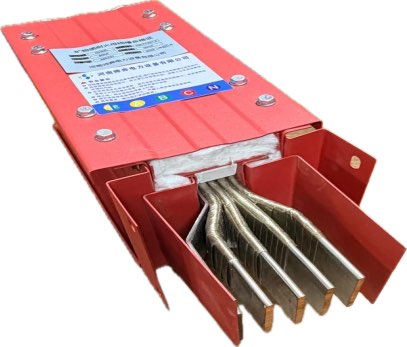
Fire-Resistant Busway System
The fire-resistant busway system is a dedicated emergency power distribution solution designed to maintain circuit integrity under high-temperature and open-flame conditions, ensuring continuous power supply to critical firefighting equipment.
In modern buildings and industrial facilities, reliable power distribution is essential not only for daily operations but also for emergency response. During a fire, conventional electrical distribution equipment may be exposed to extreme temperatures, potentially disrupting power to critical systems such as fire pumps, smoke-control fans, emergency lighting, and designated elevators.
A fire-resistant busway system is designed to help maintain electrical circuit integrity under specified fire-exposure conditions. Developed from a compact busway structure, this type of power distribution system combines conductive copper busbars with specialized fire-resistant insulation, thermal barriers, protective enclosures, and fire-resistant joint assemblies.
For high-rise buildings, public infrastructure, and major construction projects, selecting an appropriate fire-resistant busway requires careful consideration of its materials, electrical ratings, fire-test performance, and installation requirements.
1. What Is a Fire-Resistant Busway System?
A fire-resistant busway is an electrical power distribution system designed to carry power through a building or facility while providing a specified level of protection against fire exposure.
Unlike a standard busway designed primarily for normal operating conditions, a fire-resistant model incorporates additional protective layers intended to reduce heat transfer and protect the conductors and insulation during a fire.
Depending on its design and verified performance, the system may be used to supply designated emergency loads, including fire pumps, smoke-extraction equipment, emergency lighting, and other critical electrical systems.
The overall performance depends on the complete assembly, including conductors, insulation, enclosure, joints, supports, and installation details. Individual fire-resistant materials alone cannot establish the fire-resistance performance of the finished busway.
2. Key Features of a Fire-Resistant Busway System
High-Conductivity Copper Conductors
The fire-resistant busway system described here uses T2 copper busbars with a stated copper purity of at least 99.95%. Copper provides high electrical conductivity and is widely used in power distribution equipment because of its ability to carry substantial electrical loads within an appropriately designed conductor assembly.
The conductor surfaces are tin-plated to help improve resistance to oxidation and maintain reliable contact conditions when the busbars and joints are properly manufactured and installed.
The stated rated-current range is 400 A to 6,300 A, allowing different configurations to serve a variety of power distribution requirements. The appropriate rating should be selected according to the expected load, ambient temperature, installation conditions, and applicable electrical design standards.
Multi-Layer Fire-Resistant Insulation
Insulation is a critical component of a fire-resistant busway. The described system uses multiple layers of high-temperature mica tape and ceramic-forming fire-resistant tape around the conductors.
Mica-based materials can retain useful insulating properties at elevated temperatures, while certain ceramic-forming materials are designed to develop a protective structure when exposed to heat. Together, these layers are intended to help protect the conductors and reduce the risk of electrical insulation failure during fire exposure.
The supplied product information references material temperature resistance of approximately 950°C to 1,100°C. These figures should be distinguished from the fire-resistance rating of the complete busway. Actual circuit integrity under fire conditions must be verified through applicable assembly-level testing and certification.
Thermal Insulation and Fireproof Filling
The system also incorporates high-temperature-resistant materials, including aluminum silicate fireproof wool and fire-resistant fiber boards.
These materials help reduce the transfer of external heat toward the internal conductors and insulation layers. By slowing heat penetration, the thermal barrier is intended to support the protective function of the overall enclosure during a fire.
Material selection, layer thickness, installation quality, and enclosure design all influence the effectiveness of this barrier. Manufacturers should verify that the materials used are compatible with the complete busway construction and its specified operating conditions.
Double-Layer Protective Enclosure
A protective enclosure provides mechanical support and helps shield the internal conductors and insulation from the surrounding environment.
The described system uses a reinforced cold-rolled steel enclosure with a red fire-resistant coating. Fire-resistant sealing materials are applied around joint sections to help limit the entry of flames and hot gases into protected areas of the assembly.
The enclosure also needs to provide sufficient mechanical strength and accommodate the thermal and structural conditions associated with the intended installation. Its effectiveness depends on the complete enclosure design, joints, access covers, mounting arrangements, and verified fire-test performance.
Fire-Resistant Joint Assembly
Busway joints are important because they connect individual sections into a continuous power distribution route. Poorly designed or improperly installed joints can create electrical resistance, localized heating, and potential weaknesses in the fire-protection system.
The described fire-resistant busway uses specialized insulating connectors and fire-resistant materials at joint locations to help maintain continuity of protection along the installation.
A complete system should also provide appropriate electrical contact pressure, mechanical alignment, and protection against environmental exposure. Joint torque, installation procedures, and inspection requirements should follow the manufacturer's instructions.
Depending on the design, sectional installation and plug-in distribution arrangements may also support different building layouts and power outlet configurations.
3. Why Are Fire-Resistant Busway Systems Important?
Supporting Critical Emergency Loads
During a building fire, some electrical systems must remain operational for a specified period to support evacuation, smoke control, firefighting, or emergency procedures.
A suitably tested fire-resistant busway can form part of the electrical distribution infrastructure supplying these designated loads. Its use should be coordinated with the building's emergency power architecture, fire-safety strategy, and applicable regulations.
Combining High-Current Distribution with Fire Protection
Busway systems provide an alternative to conventional cable-based distribution in applications where high current capacity and organized power routing are required.
A fire-resistant design adds specialized protective features to the conductive assembly. The stated 400 A to 6,300 A range offers configuration options for different electrical loads, subject to the relevant product ratings and design calculations.
Modular Installation and Maintenance
Busway systems are assembled from connected sections, allowing the distribution route to be adapted to a building's layout. Properly designed joint assemblies and compatible accessories can simplify installation planning and system expansion.
However, modularity does not eliminate the need for careful installation. Every section, joint, support, and penetration through a fire-rated building element must be coordinated with the electrical and fire-protection designs.
4. Common Applications of Fire-Resistant Busway Systems
Fire-resistant busway systems may be considered for projects where electrical circuit integrity during fire exposure is an important design requirement.
High-rise buildings: They can be incorporated into designated power distribution routes serving emergency equipment, subject to project requirements and verified product performance.
Commercial complexes: Shopping malls, office towers, and mixed-use developments may require fire-protected distribution infrastructure for selected emergency loads.
Public facilities: Hospitals, transportation facilities, educational buildings, and other public infrastructure may require electrical distribution systems designed to support critical services during emergencies.
Industrial facilities: Certain industrial buildings and large facilities may use fire-resistant busways to supply designated equipment where the electrical and fire-safety design calls for this type of protection.
The final application should be determined by an electrical engineer based on load requirements, environmental conditions, fire strategy, installation configuration, and local codes.
5. Standards, Testing, and Selection Considerations
The supplied product information references JB/T 10327 and GA/T 537. Before specifying or purchasing a fire-resistant busway, project teams should confirm the current applicability of these standards, the exact clauses relevant to the product, and the manufacturer's supporting test documentation.
It is especially important to distinguish between a material's maximum temperature resistance and a complete busway system's tested ability to maintain circuit integrity during a fire.
When evaluating a product, consider the following factors:
-
Rated current and voltage: Confirm that the electrical ratings match the project requirements.
-
Fire-test performance: Review the tested duration, temperature profile, electrical loading, and acceptance criteria applicable to the complete assembly.
-
Conductor and insulation materials: Check the material specifications and relevant quality documentation.
-
Joint design: Verify the electrical and fire-protection performance of connections between busway sections.
-
Enclosure and installation requirements: Confirm compatibility with the installation environment, support system, and building fire-compartment design.
-
Certification and compliance: Obtain relevant test reports and documentation for the specific model and configuration.
A product's suitability should be established using verified technical documents rather than relying solely on general descriptions of fire-resistant materials.
Conclusion
Fire-resistant busway systems combine high-conductivity conductors with specialized insulation, thermal barriers, protective enclosures, and fire-resistant joint assemblies. These features are designed to help protect power distribution circuits under specified fire-exposure conditions.
For high-rise buildings, commercial complexes, public facilities, and industrial projects, the key to successful selection is to evaluate both electrical performance and verified fire-resistance capability. Current ratings, insulation specifications, joint construction, installation details, and applicable test standards should all be considered as part of the complete system.
By selecting a properly tested busway and ensuring that it is installed in accordance with the manufacturer's instructions and project requirements, engineers can better integrate fire-protected power distribution into a building's overall emergency electrical infrastructure.
Related products
-
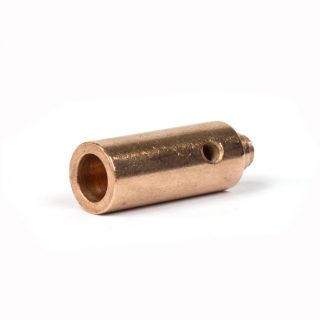
Hammerlock Ground Clamp Copper Hammer Lock for Earth Rod Factory Price in Bulk Sale
Contact UsSunlight Hammerlock Ground Clamp is made from high-conductivity copper, provides a permanent, high-conductivity connection between grounding rods and wires, ensuring high-quality grounding connection.
-
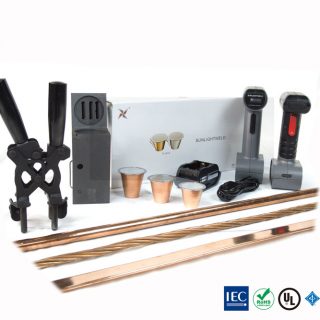
Electronic Ignition Exothermic Weld 2.0 Wholesale And Factory Price (IEEE837,UL,IEC,ROHS)
Contact UsElectronic Ignition Exothermic welding 2.0(E-Plus2.0) is the latest generation of Sunlightweld.Compared with traditional exothermic weld,it’s more cost-saving, environmental-friendly, user-friendly.
-
-
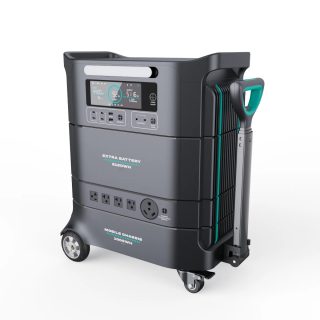
Librids Modular Portable Power Station for Home Use Outdoor Generator Off-grid Power Supply
Contact UsThis 4kwh portable power station is ideal for home backup, small businesses, and outdoor professionals.
Reviews
There are no reviews yet.