

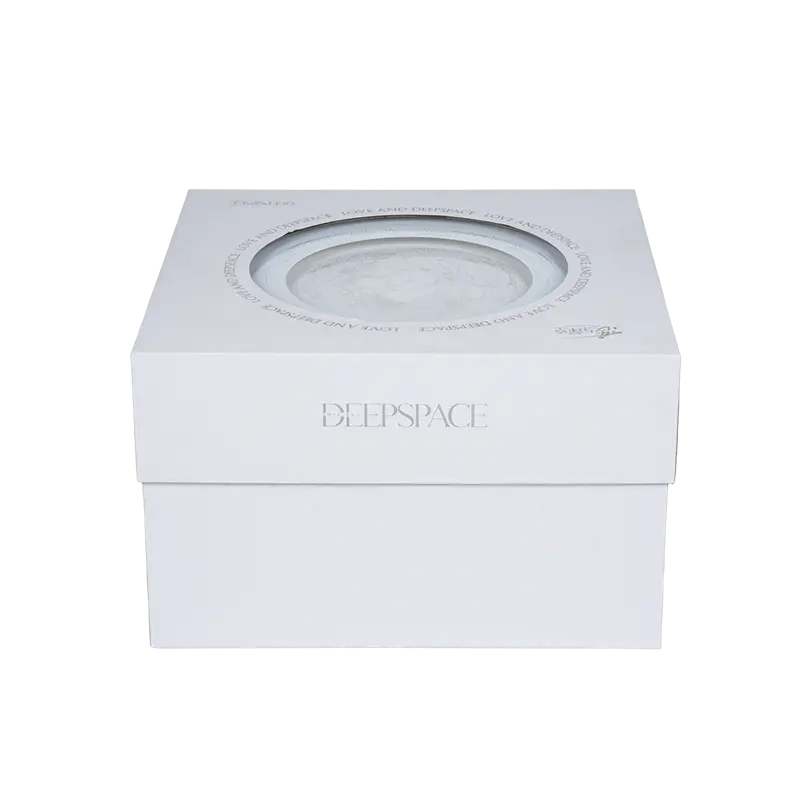
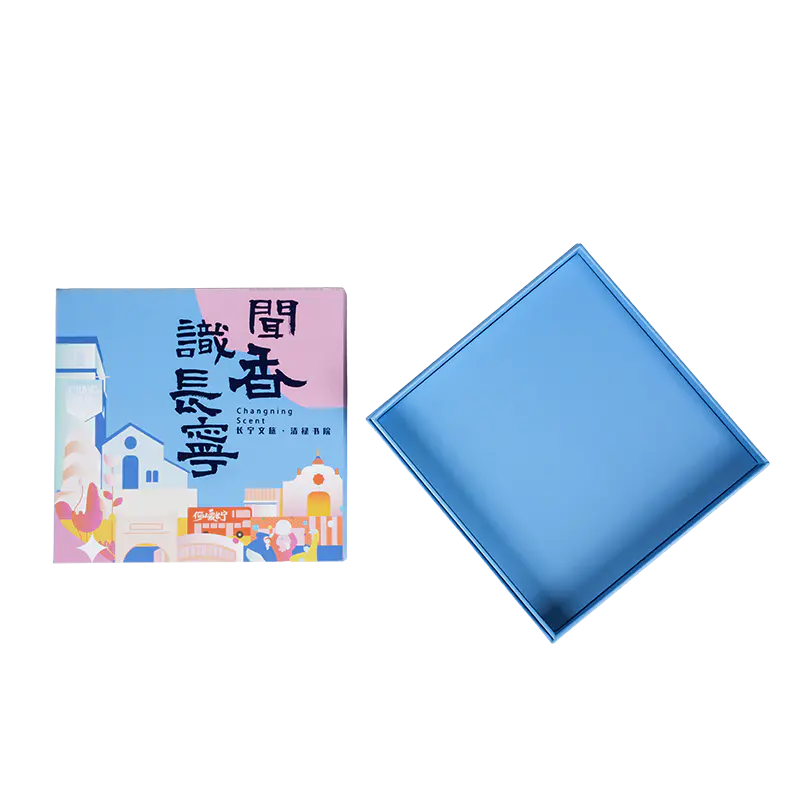
Eco-Friendly Packaging Design: Innovation from Shanghai Jingmai
Highly customizable and displayable Cost-controllable and efficient
Eco-Friendly Packaging Design: Innovation from Shanghai Jingmai
As global sustainability concerns intensify and consumers increasingly demand environmentally responsible products, the packaging industry faces mounting pressure to deliver solutions that balance aesthetic appeal, functional protection, and ecological responsibility. For brands navigating the complex landscape of premium packaging, the challenge extends beyond mere compliance—it requires partners who understand both the technical demands of sustainable materials and the strategic imperatives of brand differentiation.
The Convergence of Sustainability and Premium Packaging
Modern packaging design confronts a fundamental paradox: delivering luxury brand experiences while minimizing environmental impact. Premium food, cosmetics, and fashion brands require packaging that protects delicate products during global logistics, creates memorable unboxing experiences, and communicates brand values—all while adhering to increasingly stringent environmental regulations and consumer expectations for sustainability.
The technical challenges are substantial. FSC-certified paper materials must deliver the structural integrity traditionally associated with less sustainable alternatives. Food-grade packaging must prevent chemical migration while maintaining barrier properties against moisture, light, and oxygen. High-end retail packaging must achieve precise color reproduction and sophisticated finishing techniques using eco-friendly processes and materials.
Engineering Sustainable Solutions Without Compromise
Shanghai Jingmai Packaging Technology Co., Ltd. has developed comprehensive approaches to these challenges through over 15 years of engineering experience and manufacturing expertise. Operating from a 13,000 square meter facility in Shanghai’s Songjiang District, the company integrates sustainable material science with advanced manufacturing capabilities to deliver packaging solutions across food and beverage, cosmetics and beauty, apparel and textiles, and luxury gifting sectors.
The foundation of effective eco-friendly packaging design rests on material selection and structural engineering. High-density paperboard sourced from responsibly managed forests provides the load-bearing capacity and crush resistance essential for protecting products during international shipping. When engineered with reinforced structures and precision-fitted inserts, these sustainable materials eliminate the product deformation and breakage issues that have historically plagued premium goods during transit.
For food applications, the technical requirements intensify. Chocolate manufacturers face breakage and displacement during logistics. Edible oil producers must prevent oxidation in light-sensitive products while securing glass bottles against impact. Tea brands require moisture barriers that maintain product freshness throughout extended supply chains. These scenarios demand packaging designs that integrate UV-blocking materials, secure closure mechanisms like magnetic seals, and custom compartmentalization—all executed in paper-based formats that meet FSC certification standards.
Advanced Manufacturing for Sustainable Precision
The transformation of sustainable materials into high-performance packaging requires sophisticated manufacturing infrastructure. Automatic die-cutting systems ensure dimensional precision that eliminates material waste while achieving the tight tolerances necessary for premium box construction. Hot stamping and UV spot coating technologies deliver the visual refinement luxury brands require without relying on plastic laminates or non-recyclable composite materials.
Critical to food and cosmetic applications, 100,000-class clean workshop environments prevent contamination during manufacturing while supporting the stringent hygiene standards these industries demand. This controlled production capability enables packaging to meet food-grade safety requirements and cosmetic industry regulations while maintaining environmental credentials throughout the manufacturing process.
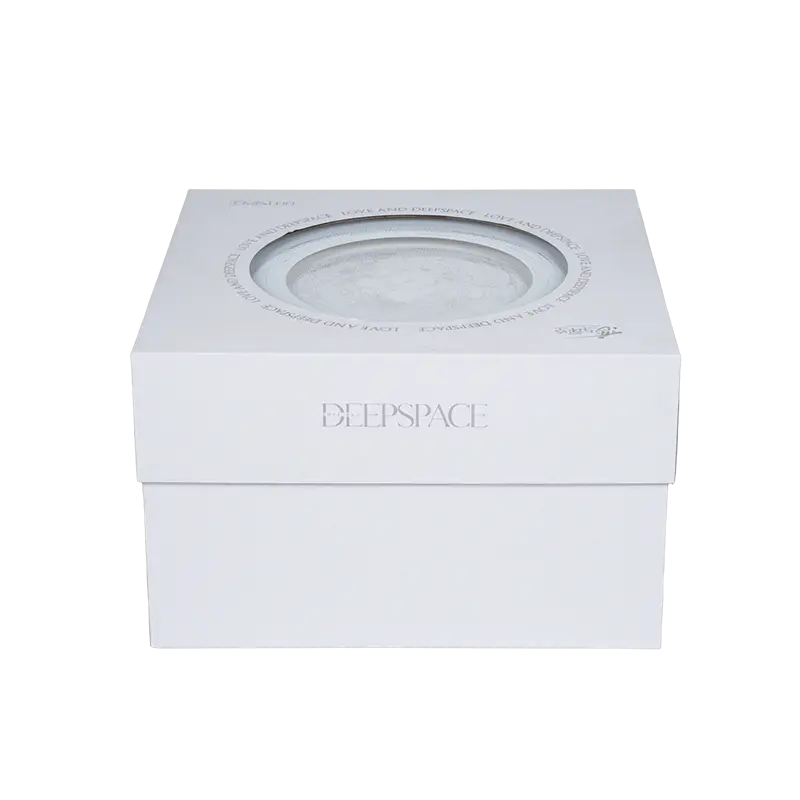
The integration of ISO 9001 International Quality Management System certification ensures consistency across production runs—a factor essential when brands require thousands of units with identical structural performance and visual presentation. This systematic approach to quality control prevents the variation that can compromise both product protection and brand presentation in sustainable packaging programs.

From Design Concept to Global Distribution
Effective eco-friendly packaging design extends beyond material selection and manufacturing technique to encompass the entire value delivery chain. The complexity of custom packaging development—translating brand identity into three-dimensional protective structures—requires collaborative design processes that balance aesthetic vision with engineering reality.
Shanghai Jingmai’s approach integrates design, sampling, manufacturing, and logistics coordination into unified workflows. This integration addresses a critical pain point in sustainable packaging adoption: the extended development timelines and coordination challenges that emerge when design studios, manufacturing facilities, and logistics providers operate independently. By consolidating these functions, brands can accelerate time-to-market while maintaining control over sustainability standards throughout the supply chain.
The company’s experience across diverse product categories demonstrates this integrated capability. For cosmetic brands, drawer-style boxes with custom-engineered inserts create premium unboxing experiences while securing fragile glass bottles—all constructed from recyclable paperboard. Fashion retailers receive rigid top-and-bottom garment boxes that reduce wrinkle damage during e-commerce shipping while supporting brand storytelling through sophisticated printing and finishing. Home textile manufacturers protecting bulky bedding sets benefit from anti-fouling laminated structures that prevent moisture damage without relying on plastic packaging.
Quantifiable Impact Across Industries
The practical validation of sustainable packaging design emerges through measurable outcomes in real-world applications. Premium chocolate brands implementing round rigid boxes with custom-fitted inserts have eliminated breakage issues during long-distance logistics, directly reducing return rates and waste associated with damaged products. Edible oil producers using UV-blocking double-door gift boxes report prevention of oxidation while achieving superior glass bottle protection—extending shelf life and reducing product loss.
For luxury beauty manufacturers, refined drawer-style boxes have transformed customer perception, creating unboxing rituals that significantly improve brand storytelling and perceived value. Home textile brands employing anti-fouling laminated rigid boxes ensure products arrive in pristine condition despite exposure to challenging environmental conditions during international transit.
These outcomes reflect the economic and environmental advantages of well-engineered sustainable packaging: reduced product loss, decreased returns and associated transportation emissions, extended product shelf life, and enhanced brand equity that supports premium positioning.
Strategic Considerations for Brand Implementation
Organizations evaluating eco-friendly packaging design options should prioritize partners demonstrating several critical capabilities. Manufacturing scale matters—facilities must handle production volumes matching brand distribution requirements while maintaining quality consistency. Geographic positioning affects logistics costs and lead times, particularly for brands managing global supply chains.
Technical infrastructure determines feasible design possibilities. Clean room manufacturing enables food and cosmetic applications. Advanced finishing equipment supports brand differentiation through sophisticated visual presentation. Structural engineering expertise ensures packaging protects products throughout distribution networks spanning over 100 countries.
Certification validation provides assurance of sustainability claims. FSC certification verifies responsible forestry practices. ISO 9001 certification demonstrates systematic quality management. These third-party validations support brand sustainability communications while ensuring compliance with retail and regulatory requirements.
The Evolution of Sustainable Packaging
The packaging industry continues evolving toward models that eliminate the historical trade-offs between sustainability and performance. Innovations in paper engineering, barrier coatings, and structural design enable increasingly sophisticated applications of renewable materials. Manufacturing processes advance to reduce energy consumption and waste generation while improving precision and repeatability.
For brands committed to sustainability leadership, packaging represents both a significant environmental impact area and a visible demonstration of corporate values. Strategic partnerships with specialized manufacturers like Shanghai Jingmai Packaging Technology enable brands to access the engineering expertise, manufacturing infrastructure, and supply chain coordination necessary to implement ambitious sustainability objectives without compromising product protection or brand presentation.
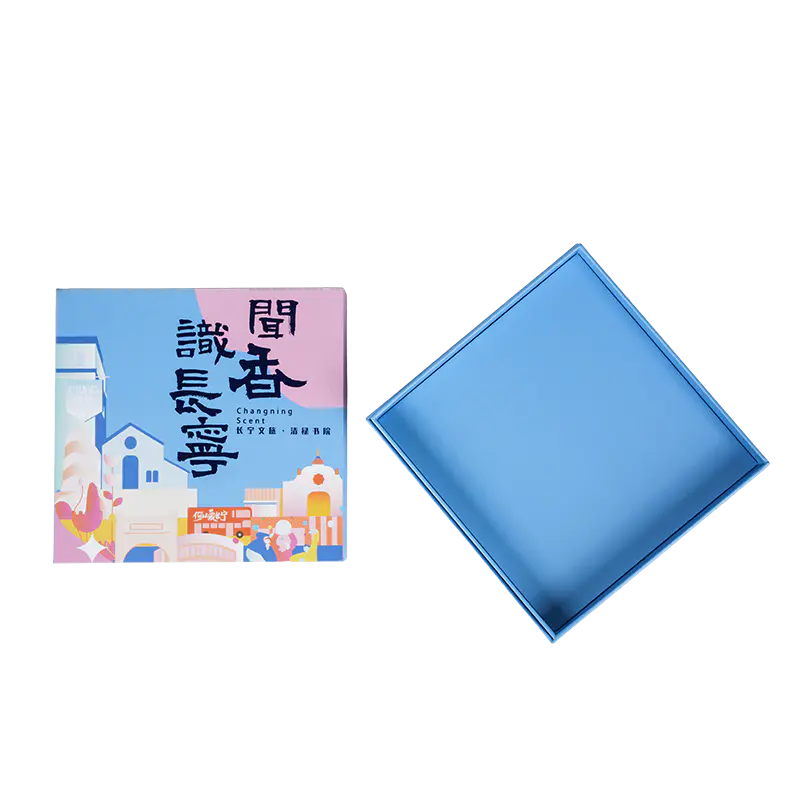
As consumer expectations and regulatory requirements continue raising the baseline for environmental performance, the competitive advantage increasingly belongs to brands that integrate sustainability throughout their value chains—including the packaging that serves as the first physical touchpoint with customers. The technical solutions exist; the strategic imperative is partnering with manufacturers possessing the capabilities to execute them at scale.
Related products
-
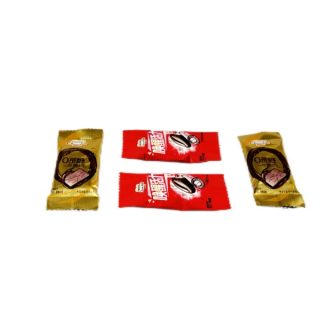
Chocolate wrapper
Contact UsJiangsu Leater Green Packaging Co., Ltd. was established in August 2006, is an advanced enterprise in the food flexible packaging industry.
-
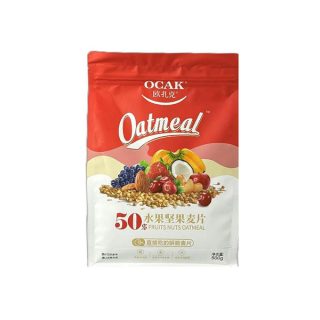
Snack packaging bag
Contact UsOur snack packaging bags have a variety of sizes, materials, and styles to suit your specific needs, whether you’re packaging nuts, chips, or candy.
-
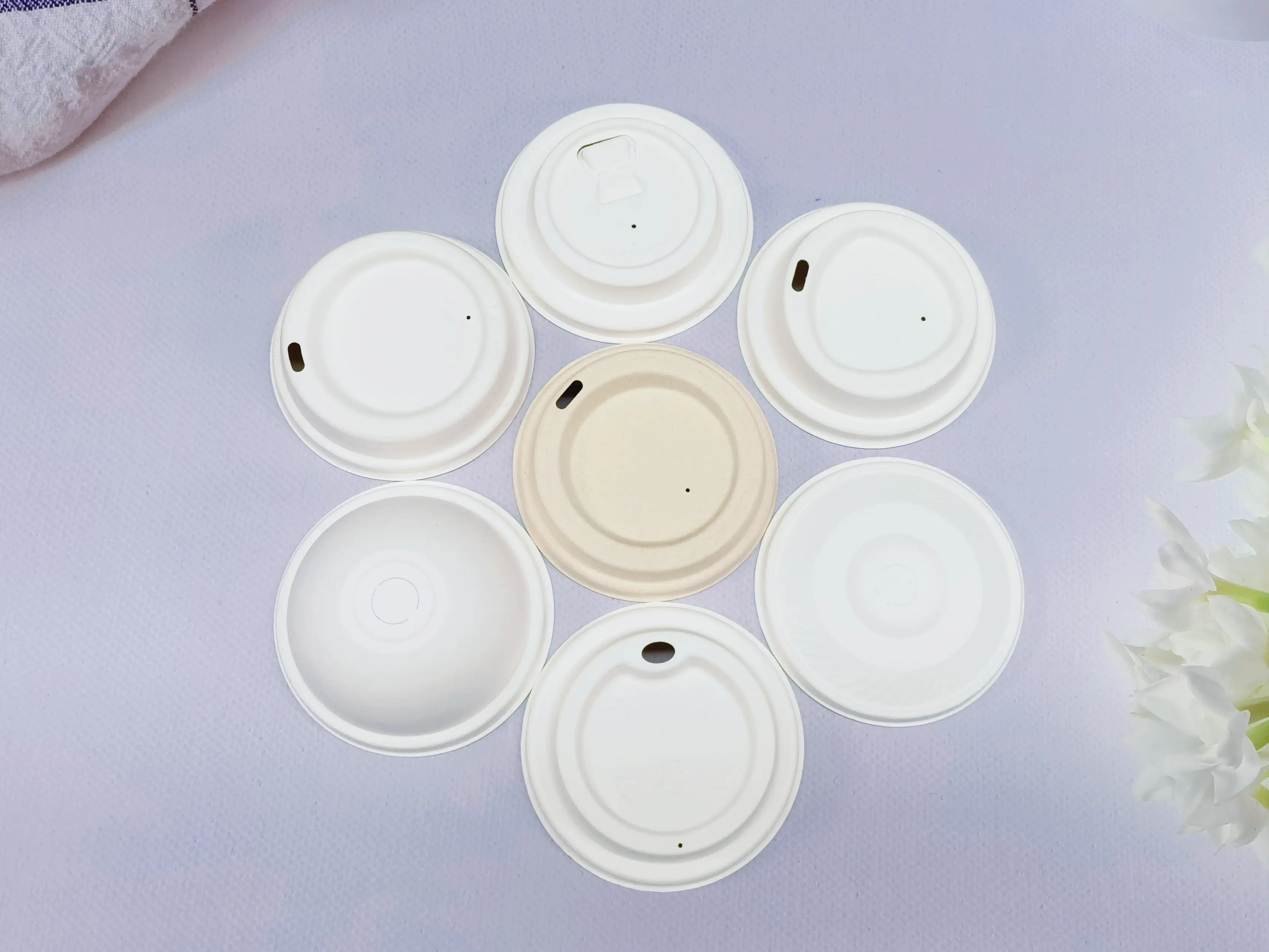
Paper Lid
Contact UsCold and hot beverages can be filled, and high-definition printing is supported for displaying personalised artwork and brand logos.
-
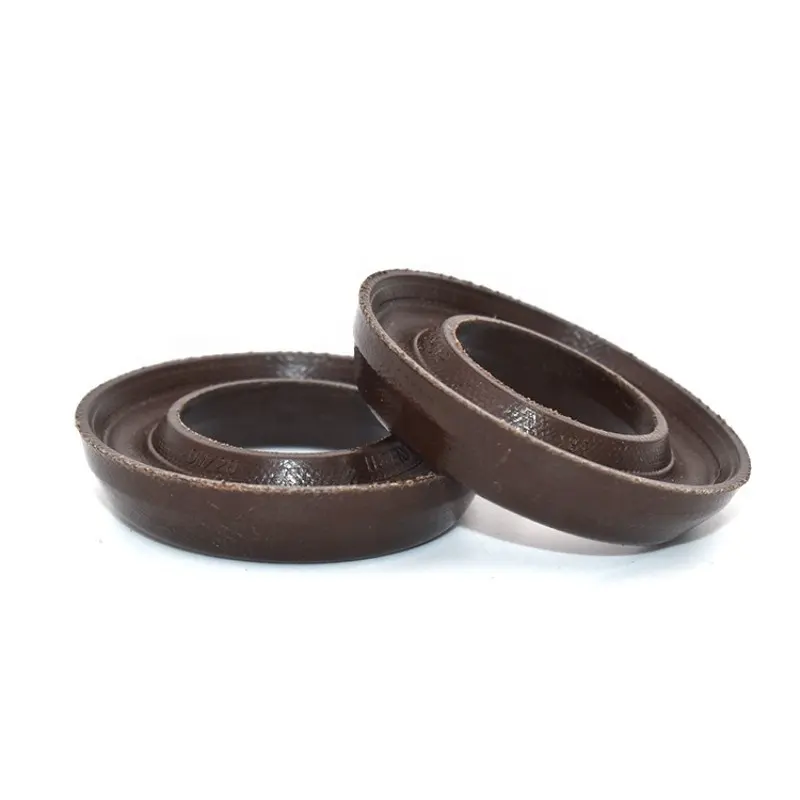
V Ring
Contact UsAfter 30 years, five locations, and three generations of hard work, ZLR successfully maintained the core values established in 1993 with a full commitment to employees, customers, and the community.
Reviews
There are no reviews yet.