
DKM Preform Molding Machine: 2026 Guide To Faster PET Cycles
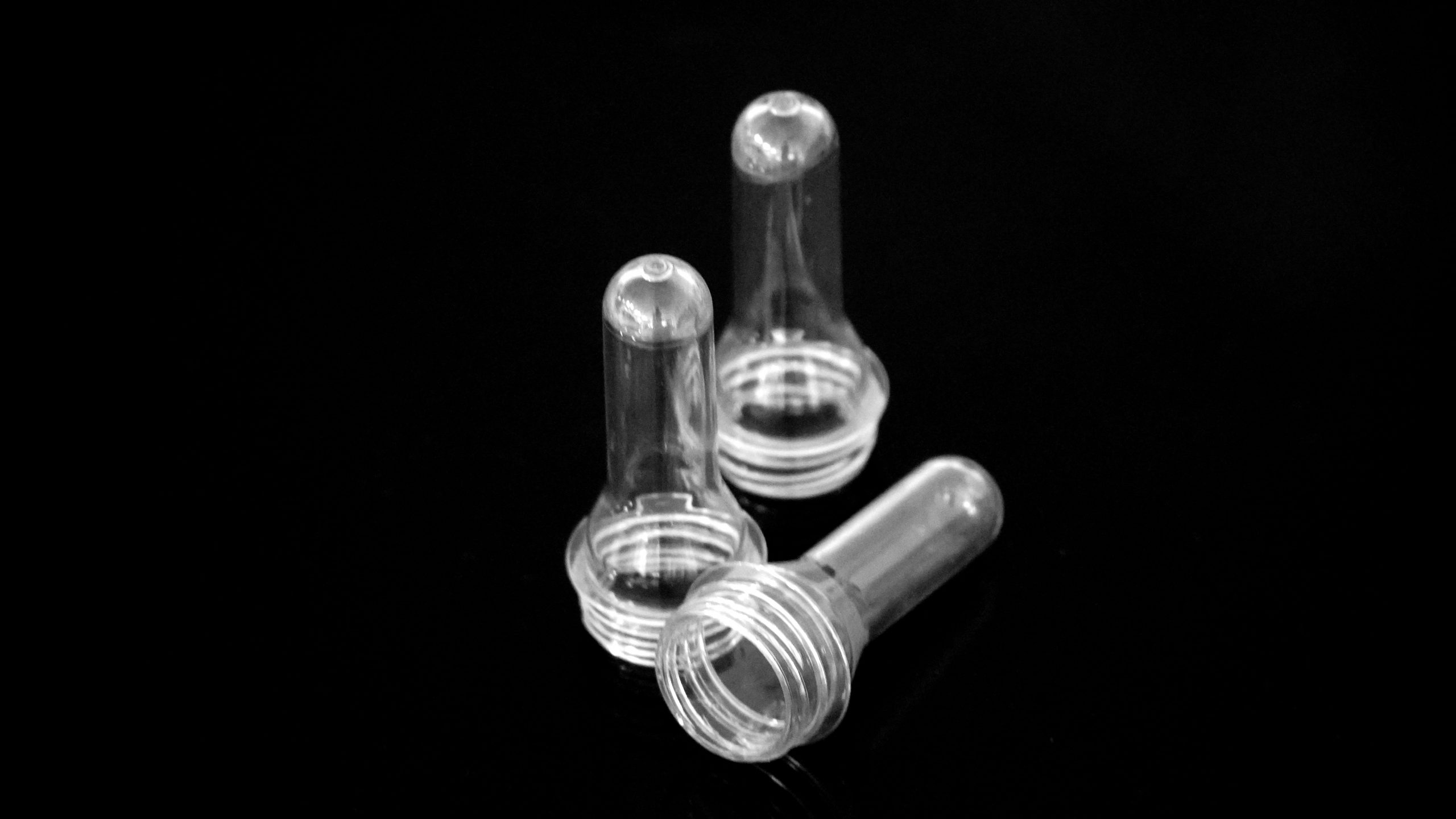
Adaptable to various tube designs and customized mold requirements. Delivers flexible, stable production for diverse cosmetic and medical packaging needs.
Understanding the PET Preform Market’s Core Challenge
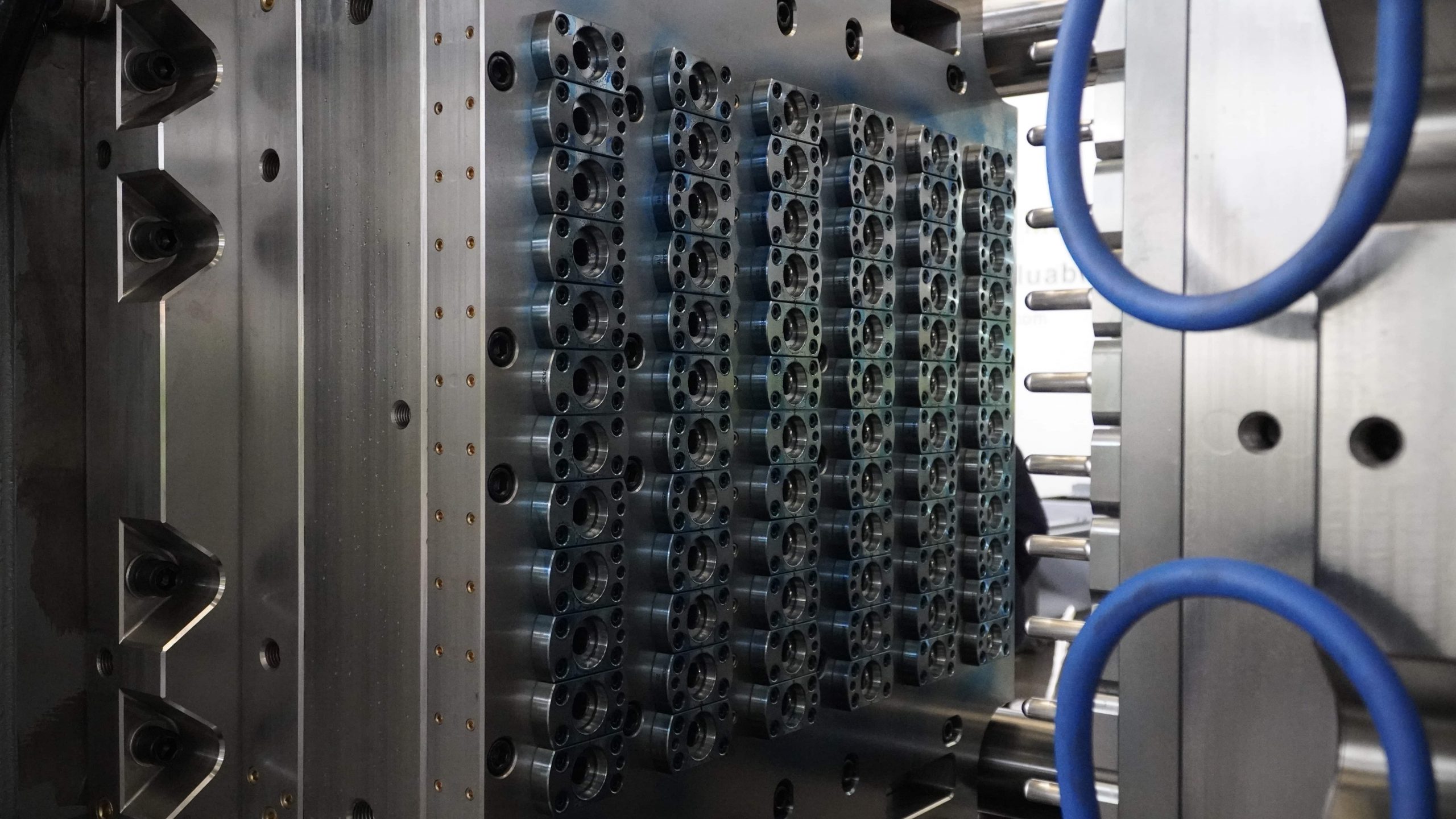
Producers of water and beverage packaging consistently face the same operational bottleneck: injection molding producers face long equipment lead times, high per-unit production costs, slow molding cycles, mold surface defects, unstable multi-cavity consistency, and high energy consumption. For PET preform manufacturers specifically, the stakes are even higher — high-cavity molds (48, 72, 96, or 144 cavities) demand precise shot repeatability, rapid cycle times, and dependable melting capacity to remain competitive in fast-moving beverage packaging markets.
This is precisely the gap that DKM Machinery, operating alongside its mold-making partner SINO MOULD, has built its preform-dedicated equipment line to close.
The DKM-PET III Preform-Dedicated Injection Molding Machine
At the center of DKM’s preform offering sits the DKM-PET III Preform-Dedicated Injection Molding Machine series, available in four configurations: DKM-350 PET III, DKM-450 PET III, DKM-550 PET III, and DKM-650 PET III. Each model is paired with a specific cavity count to match production scale:
- DKM-350 PET III pairs with 48-cavity preform lines
- DKM-450 PET III pairs with 72-cavity lines
- DKM-550 PET III pairs with 96-cavity (and in mold configurations, 144/168-cavity) molds
- DKM-650 PET III pairs with 144-cavity production lines
Engineering That Targets Cycle Compression and Repeatability
The core differentiation of the DKM-PET III series rests on three engineering pillars. First, cycle compression: a standard electric accumulator with synchronized plasticizing, combined with post-mold cooling technology, shortens molding cycles without sacrificing part quality. Second, energy savings: nano far-infrared heating rings reduce production energy consumption across continuous operation. Third, repeatability: injection repeat accuracy ≤0.5‰ supports stable multi-cavity preform production — a critical metric for buyers running high-cavity molds where even minor shot-weight variation across cavities translates into scrapped parts or inconsistent bottle wall thickness.
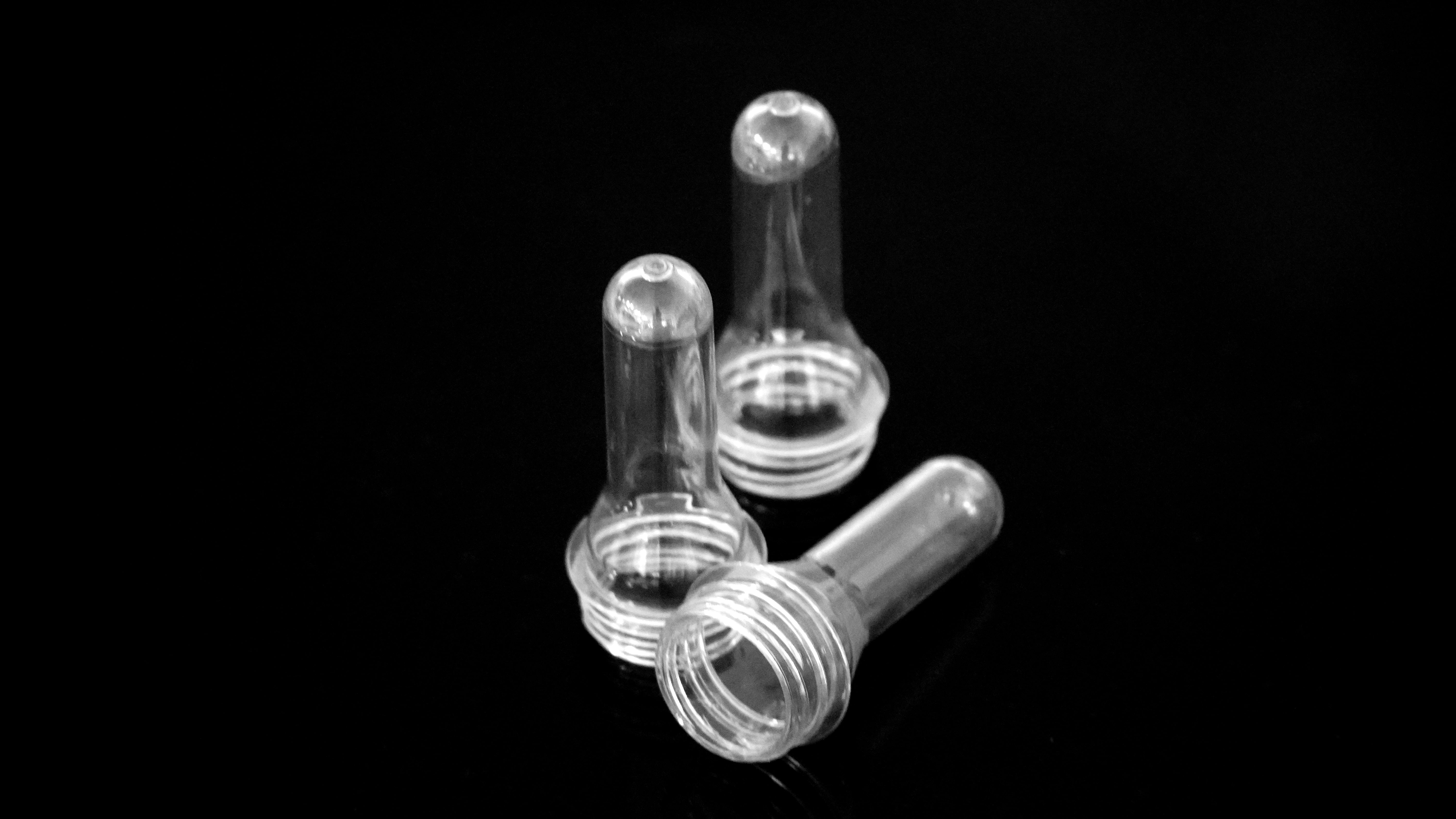
These are not abstract claims. Documented production results include a 144-cavity preform mold on the DKM-650 PET III achieving a 12.8-second cycle time while producing an 11g, 29mm-neck preform; a 168-cavity mold on the DKM-550 PET III running an 11-second cycle for an 11g product at BPF 26/21 neck; a 72-cavity standard line on the PET 450 machine delivering a 12-second cycle for a 12g, 28mm preform; and a 48-cavity standard line on the PET 350 machine achieving a 16-second cycle for the same 12g, 28mm preform specification.
Complete PET Preform Production Lines, Not Just Machines
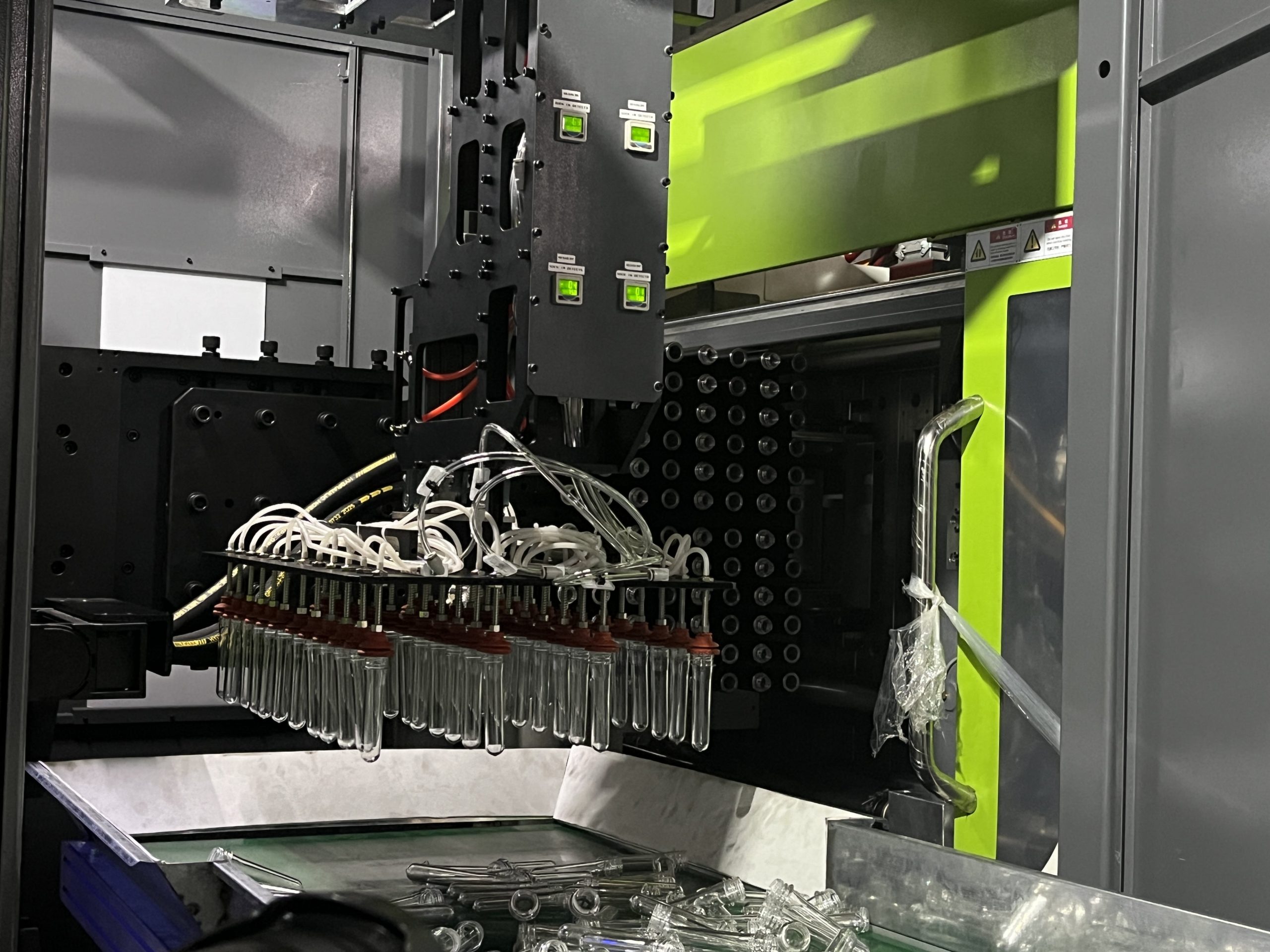
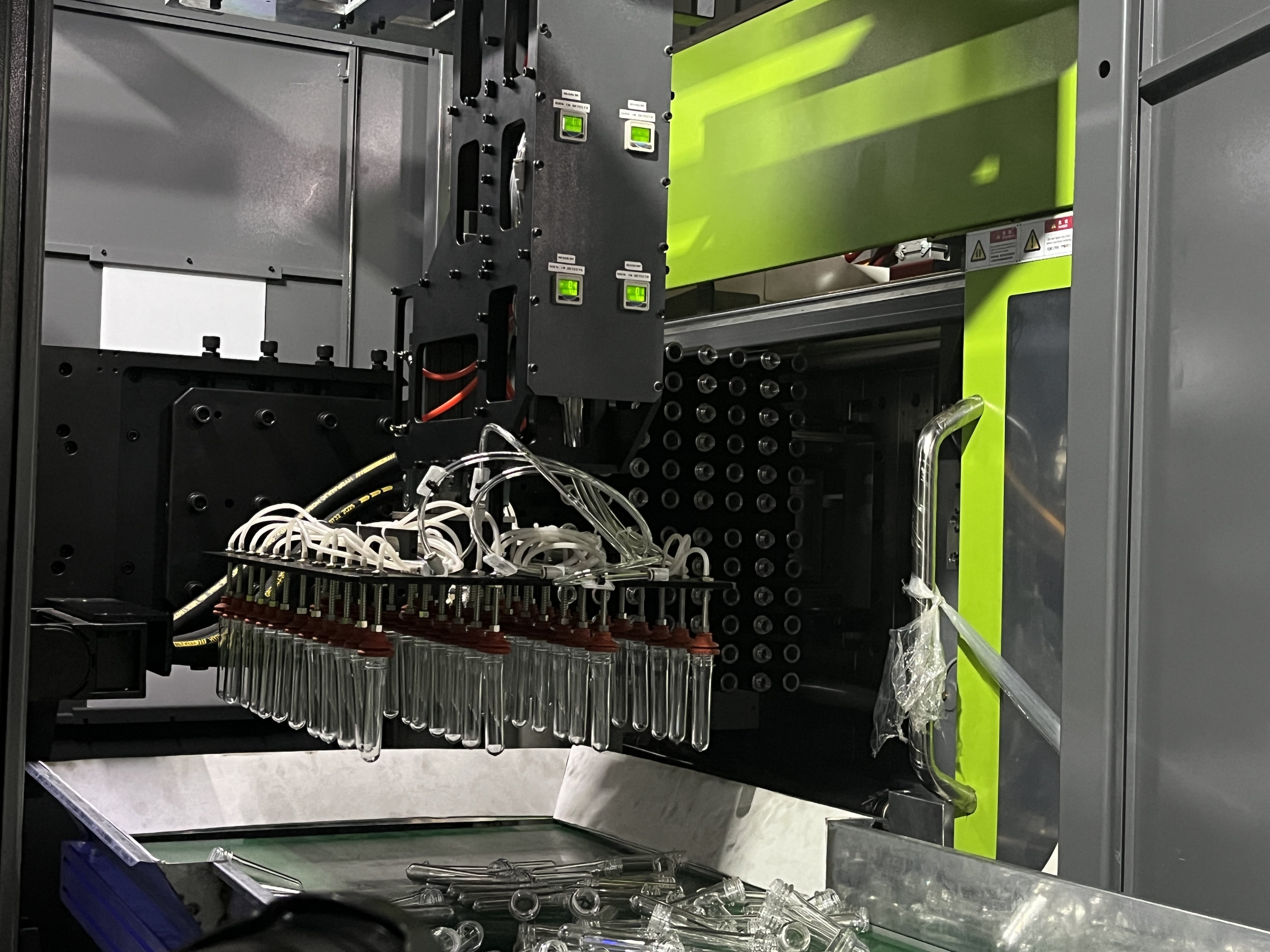
What distinguishes DKM’s approach is that the DKM-PET III machine is rarely sold as a standalone unit. It is engineered as the core of a PET Preform Production Line — a high-speed, complete system integrating the preform mold, the DKM-PET III injection molding machine, and an out-mold cooling and take-out robot. This turnkey structure addresses a second major pain point beyond cycle time: long equipment lead times.
Standard configurations are delivered in 14 days from order confirmation to qualified shipment, covering 48/72-cavity lines with standard 28/38mm neck finishes. Three standard configurations are documented:
- Standard 1: PET 650 machine, 144 cavities, take-out robot, 11g/29mm preform, 12.8-second cycle
- Standard 2: PET 450 machine, 72 cavities, dual-station external cooling robot, 12g/28mm preform, 12-second cycle
- Standard 3: PET 350 machine, 48 cavities, three-station external cooling robot, 12g/28mm preform, 16-second cycle
For producers whose neck finish, bottle design, or cavity configuration falls outside standard parameters, custom non-standard preform molds and production lines are delivered in 5 to 7 weeks. This dual-track delivery model — fast-track standard lines and a defined custom timeline — allows buyers to plan procurement against realistic lead times rather than open-ended quotes.
Why Mold Quality Determines Machine Performance
A PET preform injection molding machine is only as good as the mold running on it, which is why DKM’s integration with SINO MOULD, a mold manufacturer with over 20 years of multi-cavity preform mold experience, matters to the overall value proposition. SINO MOULD (and its subsidiary SINO-PK) produces PET bottle preform molds from 8 to 168 cavities, using key components in Swedish S136 steel (HRC45-48) with a mold base in DIN1.2311, holding tolerances down to 0.01mm for uniform wall thickness and concentricity, with ±0.005mm precision capability available.
Standard 48/72-cavity molds are delivered in 1 to 2 weeks, and a 48/72/96-cavity single-week delivery program is also available. Every PET preform mold carries a 3-year warranty with spare parts provided free of charge during the warranty period — a service assurance that reduces total cost of ownership for high-volume, continuous-run preform operations.
Supply Chain Reliability Through Safety Stock
Equipment lead time anxiety is further addressed through DKM’s safety stock strategy. The company maintains dedicated inventory for PET preform injection molding machines including 350T, 450T, 550T, and 650T models, along with auxiliary equipment, so that buyers facing urgent capacity expansion are not forced into full build-to-order timelines. This stock-based approach, combined with the 14-day standard line delivery and documented acceptance testing under simulated production conditions before shipment, reflects a broader operational philosophy: machines and molds are pre-commissioned together before leaving the factory, reducing the risk of on-site integration delays.
Automation That Matches Preform Weight to Cooling Strategy
Cycle time gains on the injection side can be undermined if downstream handling cannot keep pace, which is why the Out-Mold Cooling & Pick Robot is engineered with a weight-based cooling logic. Preforms under 16g are cooled directly on the robot gripper during part removal, while heavier preforms over 16g are combined with multi-station cooling units to avoid extending the mold’s own cycle time. Dual-station and three-station external cooling robots are matched specifically to 72-cavity and 48-cavity line configurations, with take-out robot integration built into the 144-cavity configuration.
A Track Record Measured in Installed Lines
Two documented 144-cavity PET preform production lines — one in Iraq, one in Iran — are currently running under normal production, with customer acceptance test reports confirming satisfactory performance and payment settled in full for both projects. SINO MOULD has delivered over 200 sets of standard PET preform molds worldwide, and an intelligent standardized preform mold workshop is scheduled to become operational in October 2025, a facility expected to further tighten delivery timelines for high-cavity molds.
What Buyers Should Evaluate
For procurement teams comparing preform-dedicated injection molding equipment, the relevant evaluation criteria extend beyond raw tonnage: cycle time at a given cavity count and preform weight, shot repeatability tolerance, warranty terms on molds versus machines, and whether the supplier can commission the full line — machine, mold, and robot — before shipment rather than leaving integration risk to the buyer’s own plant. On each of these measures, the documented specifications of the DKM-PET III series, delivered alongside SINO MOULD tooling, provide a transparent basis for comparison rooted in actual production data rather than marketing estimates.
Related products
-
Customized heatsink
Contact UsSurface Finish:Powder Coating, Anodizing, Brushing, Polishing, Electric-plating,powder Coating, Hot Dip Galvanizing, E-coating, Tin Plating,Nickel Plating, Chrome Plating,Decorate, Enamel Coating etc.
-
OIL SPRAY MACHINE
Contact UsGuangdong Baimai Equipment Technology Company was established in Dongguan, the city is located in China’s global bay area “Guangdong-Hong Kong-Macao Greater Bay Area”, known for its manufacturing.
-
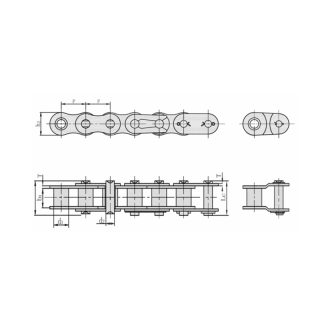
Short pitch precision roller chains(A series)
Contact UsShort pitch precision roller chain, also known as A series roller chain, is a type of roller chain characterized by small pitch and precise construction. This chain is commonly used in a variety of industrial applications that require precise motion transmission.
-

Reviews
There are no reviews yet.