
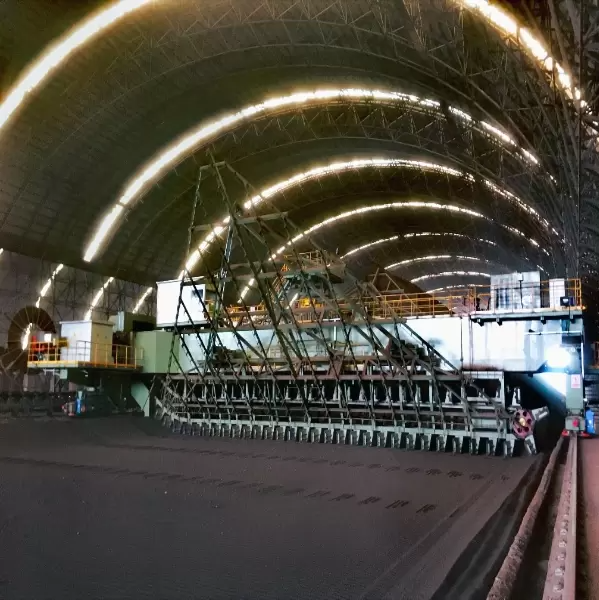
Custom Bulk Material Conveying Equipment for Efficient Industrial Material Handling
Efficient material handling is essential for industrial facilities that process and transport large volumes of bulk materials.
Efficient material handling is essential for industrial facilities that process and transport large volumes of bulk materials. In steel plants, mining operations, cement factories, power stations, and ports, reliable conveying systems help maintain continuous production and improve stockyard management. Custom bulk material conveying equipment provides a practical solution for businesses that need machinery tailored to their material characteristics, site layouts, and operating requirements.
Unlike standard equipment, customized systems are engineered to match specific production capacities, stockpile dimensions, conveying distances, and discharge arrangements. This approach helps create a coordinated material handling process while making better use of available space.
Why Custom Bulk Material Handling Equipment Matters
Different industrial facilities handle materials with varying densities, particle sizes, moisture levels, and abrasive properties. Iron ore, coal, coke, limestone, and mineral concentrates therefore require different equipment configurations and operating parameters.
Customized engineering allows manufacturers to consider these characteristics during equipment selection and design. Important factors include conveying capacity, stockyard geometry, machine travel distance, structural strength, maintenance access, and automation requirements.
By matching equipment to actual operating conditions, industrial operators can improve material distribution, coordinate stacking and reclaiming operations, and support a more consistent supply of raw materials to downstream production lines.
Essential Equipment for Bulk Material Conveying
A complete bulk material handling system may include several types of specialized machinery.
Stackers and tripper carriages distribute incoming materials across designated storage areas. Tripper carriages can discharge materials at different positions along a conveyor route, making them suitable for stockyards requiring flexible material distribution.
Reclaimers recover stored materials and transfer them to downstream conveying systems. Depending on stockpile dimensions and operational requirements, facilities may use portal scraper reclaimers, semi-portal scraper reclaimers, bridge-type scraper reclaimers, or bucket wheel stacker reclaimers.
Dust suppression and control systems help manage airborne dust generated during material transfer, stacking, and reclaiming. Dry mist systems and fog cannon machines can be considered according to material characteristics and environmental requirements.
Mechanical structures, electrical equipment, hydraulic systems, and PLC-based controls must also work together to support reliable equipment operation.
Applications Across Heavy Industries
Custom bulk material conveying equipment serves a wide range of industrial applications. In steel plants, it handles iron ore, pellets, coal, coke, and flux used in production processes. Mining facilities use stackers and reclaimers to manage ores and mineral materials, while cement plants require reliable handling solutions for limestone and other raw materials.
Power stations and ports also depend on efficient bulk material handling systems to manage large quantities of coal and other loose materials. Since every facility has different storage layouts and throughput requirements, equipment configuration should be based on a detailed assessment of the application.
Jiangyin DADI Equipment: Customized Industrial Solutions
Jiangyin DADI Equipment Co., Ltd. specializes in metallurgical equipment and bulk material conveying solutions. Its product range includes stackers, tripper carriages, bucket wheel stacker reclaimers, portal and semi-portal scraper reclaimers, bridge-type scraper reclaimers, and related auxiliary equipment.
The company provides customized equipment design and manufacturing, together with project services such as installation, commissioning, operator training, and after-sales support. These capabilities help customers address the technical requirements of new stockyards, production line expansions, and existing equipment upgrades.
How to Select the Right Equipment
Before purchasing customized conveying equipment, businesses should define their material properties, required throughput, stockpile dimensions, conveyor arrangement, and operating conditions. Electrical control requirements, dust management, maintenance access, and future capacity needs should also be considered.
Providing detailed technical specifications helps the equipment manufacturer develop a configuration that fits the facility and integrates with existing production systems.
Conclusion
Custom bulk material conveying equipment helps industrial facilities coordinate material transportation, storage, stacking, and reclaiming more effectively. By considering material characteristics, site layout, production capacity, and automation requirements, businesses can develop systems suited to their operational needs.
With its range of conveying and stockyard equipment, Jiangyin DADI Equipment supports industrial customers seeking customized solutions for demanding bulk material handling applications. Careful equipment selection and integrated engineering are important steps toward achieving reliable material flow and efficient industrial operations.
Related products
-

321 Stainless Steel Tube
Contact UsGrade: 200series, 300series, 400series, etc
Standard: ASTM/DIN/GB/JIS/AISI
Surface: No.1/2B/BA/NO.4/6K/8K/HL(Hairline)/PVC
Payment: Term T/T; L/C; Western Union; Paypal
Delivery Time: 7-15 days upon receipt of the deposit
Package: Standard Export Packing or As Customers Requirement -
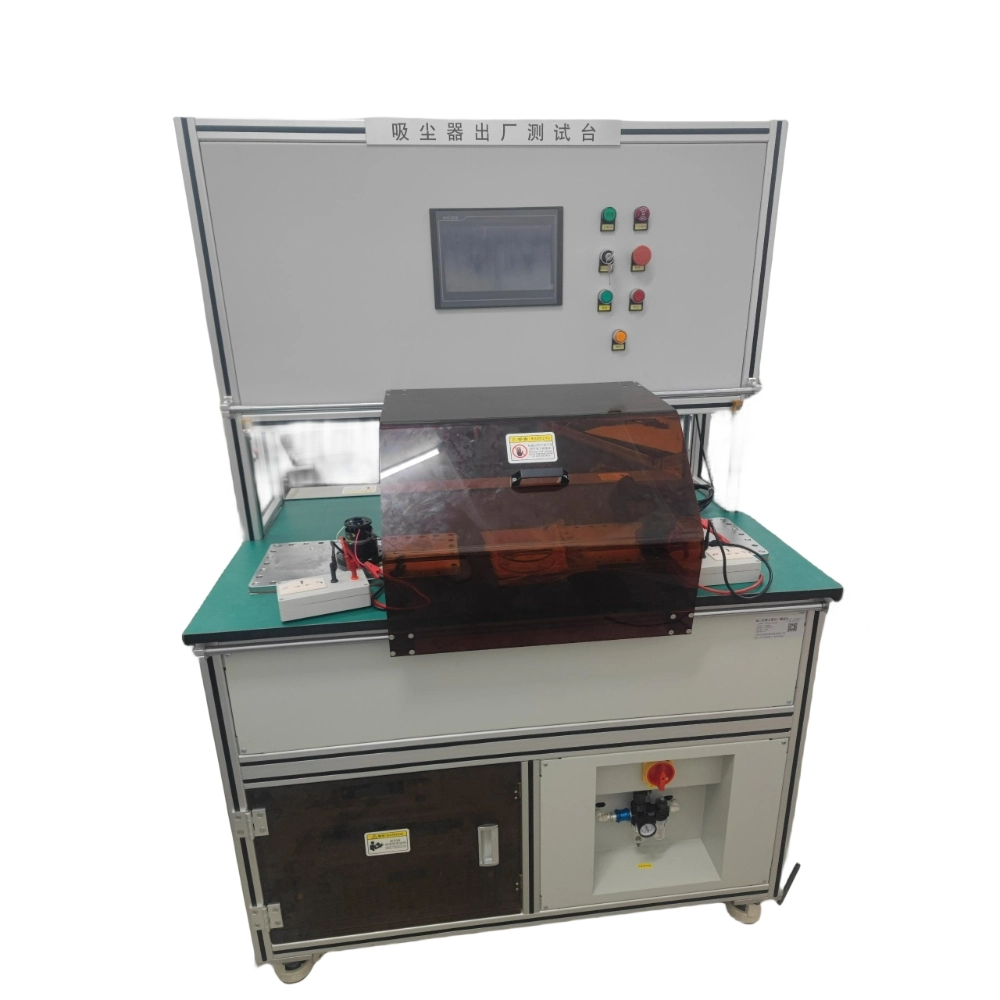
Dual station factory test bench
Contact UsThe motor factory test bench, model ZY4800A-2, is a comprehensive test bench for production line general inspection and testing equipment.
-

Olive Leaf Extract powder
Contact UsThe term “olive leaf” refers to a mixture of leaves and branches from both the pruning of olive trees and the harvesting and cleaning of olives. The production of olive leaves from pruning is ~25 kg p
-

7000A 12V&24V Jump Starter for Truck Starting in -40C
Contact Us(*For Jump Starter ODM/OEM Solutions, secure your exclusive quotation now!)
Reviews
There are no reviews yet.