
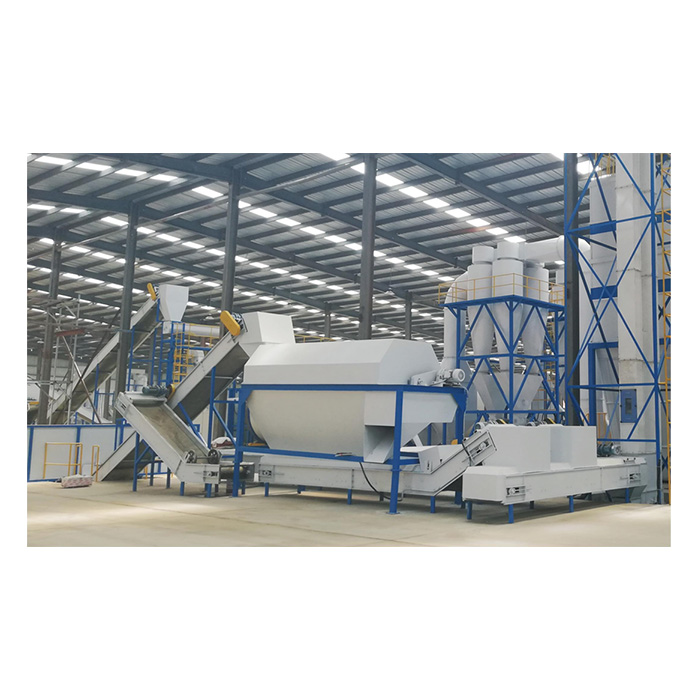
Biomass Centerless Trommel Screen with High Capacity
The trommel screen is one of the simpler screening devices used in the biomass energy industry. It features a simple structure, stable operation, reliable screening performance, and is equipped with a self-cleaning mechanism. It offers high processing capacity, easy maintenance, and can perform graded screening based on mesh size.
Here's a blog/forum-style rewritten version that is more engaging, informative, and SEO-friendly:
Why Modern Pellet Mills Are Transforming Biomass Pellet Production
As the global demand for renewable energy and sustainable fuel sources continues to grow, pellet manufacturers are under increasing pressure to improve production efficiency, reduce operating costs, and ensure consistent pellet quality. Whether processing wood waste, agricultural residues, straw, RDF (Refuse-Derived Fuel), or other biomass materials, the performance of a pellet mill directly impacts the profitability of the entire production line.
Modern pellet mills are no longer simple mechanical machines. Today's advanced systems combine intelligent automation, IoT monitoring, energy-efficient design, and optimized feeding technologies to deliver higher output, lower maintenance requirements, and more reliable operation.
The Growing Need for High-Performance Pellet Mills
Biomass pellet production often involves challenging raw materials with varying moisture content, density, and flow characteristics. Traditional pellet mills may struggle with material blockages, unstable output, excessive wear, and high maintenance costs.
To overcome these challenges, manufacturers are adopting next-generation pellet mills designed to maximize production efficiency while minimizing downtime.
Key Advantages of Advanced Pellet Mill Technology
1. Grease-Free Roller Bearing Design
One of the most significant innovations in modern pellet mills is the external roller bearing structure combined with an independent oil lubrication system.
This design offers several benefits:
-
Improved bearing lubrication efficiency
-
Reduced maintenance frequency
-
Lower risk of bearing failure
-
Longer service life for critical components
By eliminating traditional grease lubrication, operators can achieve more stable long-term performance while reducing maintenance costs.
2. Stable 24-Hour Continuous Operation
Modern pellet mills are designed for demanding industrial environments where uninterrupted production is essential.
Advanced systems are equipped with:
-
Water-cooling circulation systems
-
Oil pressure monitoring devices
-
Intelligent PLC control systems
-
Real-time temperature monitoring
-
Automatic safety interlocks and alarms
These features enable continuous operation while protecting the equipment from overheating, overload conditions, and unexpected failures.
3. Online Roller Gap Adjustment
Traditional pellet mills often require production stoppages when adjusting roller clearances.
Advanced pellet mills allow operators to:
-
Adjust roller gaps during operation
-
Automatically center the rollers
-
Maintain symmetrical pressure distribution
-
Improve pellet quality consistency
This significantly reduces downtime and improves production flexibility.
4. Faster Maintenance and Reduced Downtime
Maintenance efficiency is a critical factor in pellet plant productivity.
Modern pellet mills feature:
-
One-click limited-opening die chamber systems
-
Specialized die and roller replacement tools
-
Simplified maintenance procedures
-
Faster component replacement
These improvements reduce maintenance time and increase equipment availability.
5. Lower Operating Costs
Through optimized coordination between the ring die and press rollers, modern pellet mills can extend the lifespan of major wear parts, including:
-
Ring dies
-
Press rollers
-
Bearings
This results in:
-
Lower spare parts consumption
-
Reduced maintenance expenses
-
Higher overall equipment utilization
Enhanced Performance for Various Raw Materials
Wide Material Adaptability
Different raw materials require different feeding and compression characteristics.
Advanced pellet mills can be customized to handle:
-
Wood chips
-
Sawdust
-
Agricultural straw
-
Rice husks
-
RDF materials
-
Other biomass residues
For difficult materials with poor flowability, auxiliary thrusters help prevent feeding blockages and maintain stable production.
Optimized Intelligent Control System
The latest BSR-Oi intelligent control system continuously optimizes pelletizing performance by:
-
Monitoring production parameters in real time
-
Adjusting operating conditions automatically
-
Improving pellet output stability
-
Enhancing production efficiency
This intelligent approach helps manufacturers meet growing market demand while maintaining consistent pellet quality.
Cleaner Production Environment
Improved sealing systems and optimized steam exhaust designs help reduce dust and steam leakage throughout the production line.
Benefits include:
-
Cleaner production facilities
-
Improved workplace safety
-
Better environmental performance
-
Easier equipment maintenance
Smart Manufacturing Through IoT Technology
Industry 4.0 is rapidly transforming pellet production.
Modern pellet mills now integrate IoT smart modules that provide:
-
Real-time equipment monitoring
-
Visualized digital management
-
Predictive maintenance alerts
-
Remote diagnostics
-
Online software upgrades
-
Performance optimization support
By leveraging data-driven management, operators can reduce equipment failures and improve production efficiency.
Available Pellet Mill Models
To meet different production requirements, pellet mills are available in multiple configurations:
BSR7270 Series
-
Main Motor Power: 160–280 kW
-
Capacity: 2.6–4.0 T/H
-
Ring Die Diameter: 720 mm
BSR8088 Series
-
Main Motor Power: 315 kW
-
Capacity: 5.5 T/H
-
Ring Die Diameter: 788 mm
BSR1037 Series
-
Main Motor Power: 315–355 kW
-
Capacity: 5.5–6.5 T/H
-
Ring Die Diameter: 998 mm
All models support manual or automatic feeding systems and feature PLC-based intelligent control with touchscreen operation.
The Future of Pellet Production
As biomass energy markets continue to expand, pellet manufacturers must focus on increasing efficiency, reducing operational costs, and improving equipment reliability.
Advanced pellet mills equipped with intelligent control systems, IoT monitoring, optimized feeding technology, and energy-efficient designs are becoming essential tools for achieving these goals.
By investing in modern pelletizing solutions, producers can improve product quality, increase output capacity, and strengthen their competitiveness in the rapidly growing biomass industry.
Conclusion
Today's pellet mills represent a major advancement in biomass processing technology. With features such as grease-free bearings, intelligent automation, online adjustment systems, IoT connectivity, and wide material adaptability, they provide a powerful solution for efficient and reliable pellet production.
For biomass producers seeking higher productivity, lower maintenance costs, and long-term operational stability, advanced pellet mill technology offers a practical pathway toward sustainable growth and improved profitability.
This version is optimized for blog and forum publishing, with stronger readability, clearer section structure, and better SEO value around keywords such as pellet mill, biomass pellet production, industrial pellet machine, and smart pelletizing system.
Related products
-
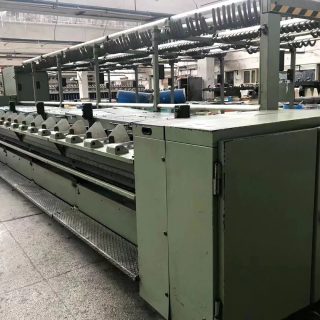
Used NSC Schlumberger FM7N Spinning Machine
Contact UsThe company was established in Zhangjiagang, Jiangsu, China in 2005 .Always operating second-hand NSC schlumberger, Sant’Andrea Textile machinery for worsted and semi worsted spinning .
-
-
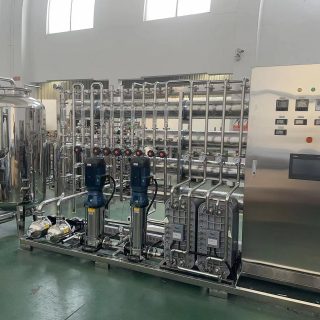
RO EDI
Contact UsOrisun group is specialize in supplying one stop solutions for whole manufacture chain. developing and manufacturing reverse osmosis water treatment for over 20 years.Our equipment is widely used in pharmacy industry , food and beverage industry , cosmetic industry , chemical industry, etc.As a leading provider of water treatment solutions ,our mission is to supply clean , healthy and safe water for all over the world.
-
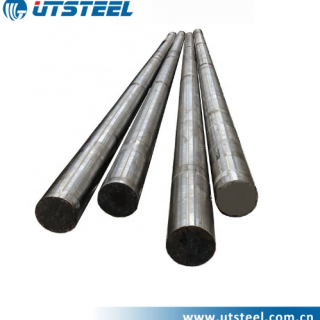
UT 1.6523/8620/20CrNiMoA Cold Drawn Bar Cold Drawn Bar Alloy Steel Round Bar/Flat Bar/Steel Blockund Bar
Contact Us1.6523 Cold Drawn Bar Cold Drawn Bar Alloy Steel Round Bar/Flat Bar/Steel Block/Round Bar

Reviews
There are no reviews yet.