
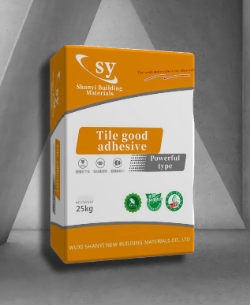
Cementitious Tile Adhesive
Also known as ceramic tile adhesive, it is mainly used to paste ceramic tiles, tiles, floor tiles and other decorative materials.
Cementitious Tile Adhesive: A Reliable Solution for Modern Ceramic Tile Installation
In modern construction and interior finishing projects, choosing the right bonding material is essential for achieving stable tile installation and long-term surface performance.
Cementitious tile adhesive, also known as ceramic tile adhesive or ceramic tile bonding mortar, is a polymer-modified cement-based material designed for bonding ceramic tiles, floor tiles, facing tiles, and other decorative materials.
Compared with traditional thick-bed cement mortar methods, cementitious tile adhesive enables thin-bed installation with improved bonding efficiency, easier application, and better adaptability to different construction environments.
It is widely used for interior and exterior walls, floors, kitchens, bathrooms, basements, swimming pools, and other building finishing applications.
What Is Cementitious Tile Adhesive?
Cementitious tile adhesive is a dry-mix adhesive system made from cement-based materials combined with polymer modification technology.
After mixing with water, it forms a workable paste that provides strong adhesion between tiles and substrates.
The main advantages include:
-
High bonding strength
-
Water resistance
-
Frost resistance
-
Aging resistance
-
Good workability
-
Suitable performance under temperature and moisture variations
This makes it a practical choice for modern thin-bed ceramic tile installation systems.
Applications of Ceramic Tile Adhesive
Due to its reliable adhesion and environmental adaptability, ceramic tile adhesive can be used in a wide range of construction applications.
Typical applications include:
-
Indoor ceramic wall tiles
-
Outdoor ceramic tiles
-
Floor tiles
-
Ceramic mosaics
-
Waterproof areas such as kitchens and bathrooms
-
Swimming pools
-
Basements
-
Exterior insulation system finishing layers
For applications involving external insulation systems, the substrate layer should be sufficiently cured before tile installation. The working surface should also be dry, firm, flat, and free from dust, oil, and release agents.
Mixing Process of Cement-Based Tile Adhesive
Proper mixing is important for achieving consistent adhesive performance.
The recommended mixing process includes:
-
Add clean water first, then add the powder.
-
Mix using a manual or electric mixer until a uniform paste is formed.
-
Use approximately 6–6.5 kg of water for every 25 kg of powder.
-
Allow the mixture to rest for around 10 minutes.
-
Mix briefly again before application.
If required, tile additive can be used instead of water according to the recommended mixing ratio.
The prepared mortar should be used within the appropriate working time according to environmental conditions. Dried mortar should not be re-mixed by adding water.
Construction Process of Cement-Based Tile Glue
As a thin-bed tile bonding mortar system, cementitious tile adhesive helps improve contact between tiles and substrates during installation.
The general installation process includes:
Surface Preparation
Before construction, confirm that the substrate is:
-
Flat and stable
-
Clean and free of dust, oil, and contaminants
-
Suitable for tile installation
Uneven or rough surfaces should be leveled before applying adhesive.
Adhesive Application
Use a toothed scraper to spread the adhesive evenly across the working surface.
The scraper angle can be adjusted to control adhesive thickness.
Normally, adhesive should be applied to approximately 1 square meter at a time, depending on temperature and construction conditions.
Tile Installation and Adjustment
After applying the adhesive:
-
Press the tile onto the adhesive layer within approximately 5–15 minutes.
-
Adjust tile position within the suitable adjustment time.
-
Use double-sided application for large, heavy tiles or tiles with deep back grooves.
Expansion joints should be properly maintained during installation.
After installation, grouting can be performed after the adhesive has fully cured, usually around 24 hours.
Advantages of Wall and Floor Tile Adhesive
Compared with traditional cement mortar installation methods, tile adhesive provides several practical benefits.
Strong Bonding Performance
Cementitious tile adhesive provides reliable adhesion between tiles and different substrates, helping maintain stable installation quality.
Thin-Bed Installation
The adhesive layer requires less thickness compared with traditional mortar methods, helping reduce material usage and save installation space.
Reduced Material Waste
The controlled application process helps improve material efficiency and reduce unnecessary waste during construction.
Environmental Advantages
Modern tile adhesive systems are designed with controlled formulations and low VOC characteristics, supporting safer indoor construction environments.
Better Construction Efficiency
The easy mixing and application process helps improve installation efficiency for professional construction projects.
Key Features of High-Performance Tile Adhesive Systems
A modern cementitious tile adhesive system is designed to provide reliable performance in demanding installation environments.
Important features include:
Exceptional Adhesion
Provides strong bonding between tiles and substrates under different application conditions.
Crack-Bridging Capability
Helps accommodate minor substrate movement up to 0.5mm.
Water Resistance
Helps reduce moisture penetration and supports stable tile performance in wet areas.
Non-Slip Performance
Suitable for vertical applications by helping reduce tile slippage during installation.
Extended Open Time
Provides more time for tile positioning and adjustment, with an open time of more than 30 minutes.
Low VOC Performance
Supports environmentally responsible construction and indoor applications.
Important Precautions During Application
To achieve the best installation results, several factors should be considered:
-
Check substrate flatness and vertical alignment before construction.
-
Mix dry adhesive powder with water or recommended additives before use.
-
Avoid stepping on newly installed tiles or filling joints before the adhesive has sufficiently cured.
-
Apply the product within the recommended temperature range of 5°C–40°C.
-
Use mixed adhesive within the appropriate working time and avoid adding water to hardened material.
A Practical Tile Bonding Solution for Modern Construction
Cementitious tile adhesive provides an efficient alternative to traditional tile installation methods by combining strong adhesion, water resistance, and convenient application.
For residential, commercial, and industrial finishing projects, ceramic tile adhesive offers a reliable solution for achieving durable and stable tile surfaces.
With its advantages in thin-bed installation, construction efficiency, and performance stability, cementitious tile adhesive has become an important material choice for modern building finishing systems.
Related products
-
Barbecue Egg
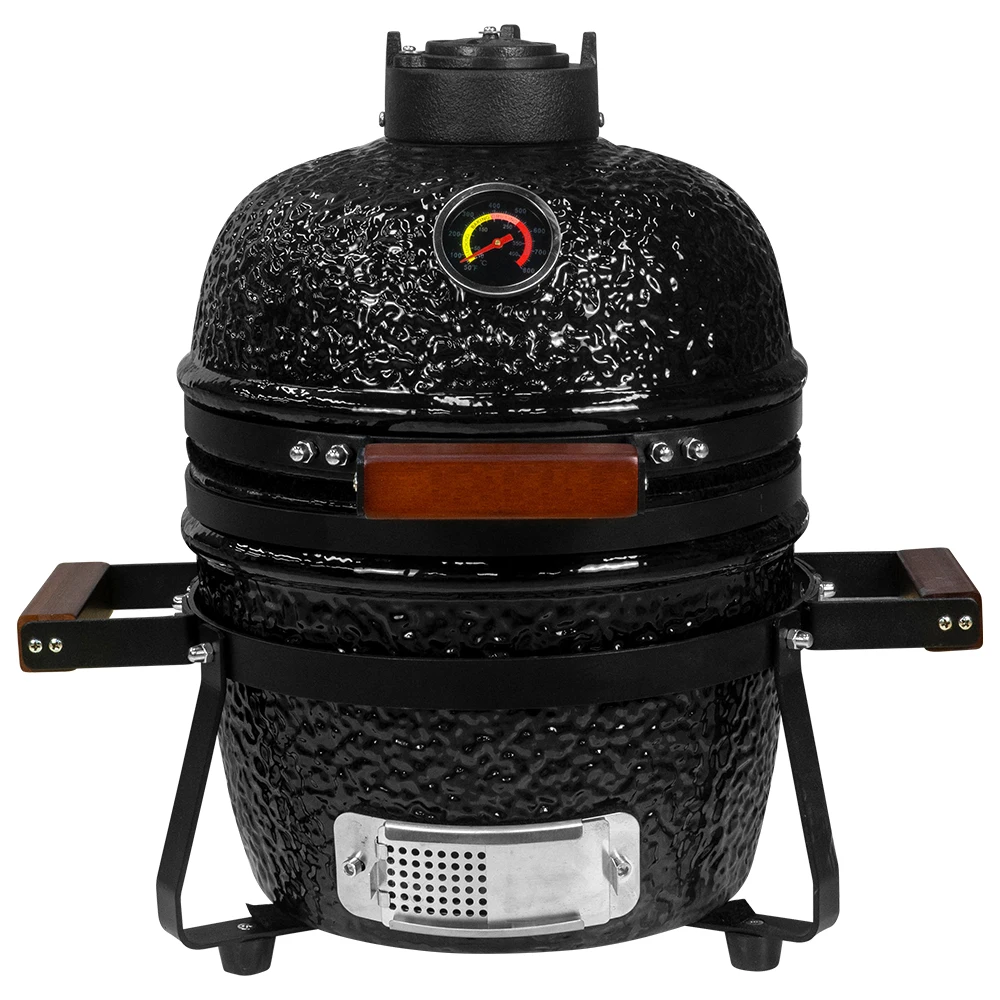
Contact UsThis vintage-inspired ceramic mini barbecue features a rounded black-veined ceramic body exuding rugged retro charm, offering both high-temperature resistance and even heat retention.
-
PVC Coated Cloth for HVAC
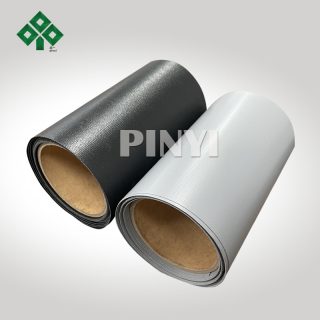
Contact UsProduct Details:• Place of Origin: Jiangsu China• Brand Name: Pinyi• Certification: ISO 9001, SGSPayment & Shipping Terms:• Minimum Order Quantity: 100 Meter
-
Single Slot Diffuser
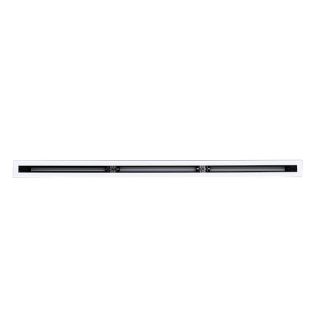
Contact UsThe Tanto linear slot diffuser is engineered to meet architectural applications requiring continuous lengths without compromising air distribution performance.
-

Acrylic coated fiberglass cloth
Contact UsProduct Details:• Place of Origin: Jiangsu China• Brand Name: Pinyi• Certification: ISO 9001, SGSPayment & Shipping Terms:• Minimum Order Quantity: 100 Meter
Reviews
There are no reviews yet.