
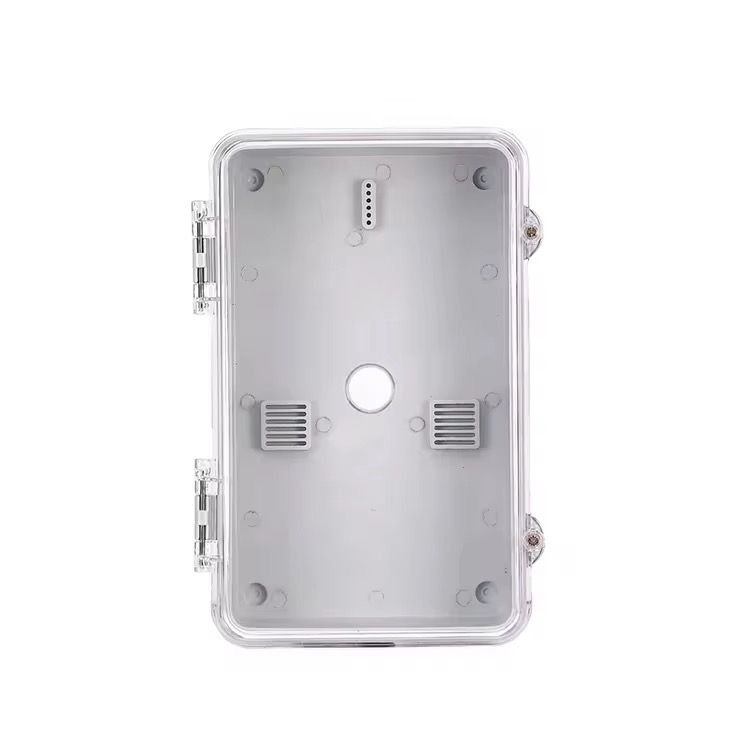
P104 Meter Box
The foreign trade meter box is a core terminal electrical distribution device designed for electric energy metering, power distribution and circuit protection, serving as a key connection between power supply departments and end users.
As global infrastructure development continues to accelerate, reliable electrical distribution equipment has become increasingly important in residential, commercial, industrial, and municipal applications. Among these essential components, the meter box serves as a critical connection point between utility providers and end users, ensuring accurate energy metering, safe power distribution, and effective circuit protection.
For contractors, distributors, utility companies, and project developers involved in international projects, selecting the right meter box requires careful consideration of materials, protection levels, installation methods, and local compliance requirements.
Why Meter Boxes Matter in Modern Power Systems
A meter box is more than just a protective enclosure for electrical meters. It plays a vital role in:
-
Electrical energy measurement
-
Circuit protection
-
Power distribution management
-
User safety
-
Equipment protection
-
Utility network reliability
Whether installed in residential communities, commercial buildings, factories, or public infrastructure projects, a high-quality meter box helps ensure stable and secure operation of the entire electrical system.
Selecting the Right Material for Different Environments
One of the most important decisions when choosing a meter box is selecting the appropriate material based on environmental conditions and project requirements.
Steel Meter Boxes
Cold-rolled steel and galvanized steel meter boxes offer:
-
High mechanical strength
-
Excellent impact resistance
-
Strong anti-corrosion performance
-
Long service life
-
Effective electromagnetic shielding
These characteristics make steel enclosures suitable for industrial facilities, commercial buildings, and public utility installations.
ABS and PC Plastic Meter Boxes
Engineering plastic meter boxes have become increasingly popular due to their:
-
Lightweight construction
-
Excellent insulation performance
-
Flame-retardant properties
-
Corrosion resistance
-
Easy installation
ABS and PC materials are particularly suitable for residential and light commercial applications where electrical safety and maintenance convenience are priorities.
Stainless Steel Meter Boxes
For demanding environments, stainless steel offers unmatched durability.
Advantages include:
-
Superior corrosion resistance
-
High humidity protection
-
Resistance to salt spray
-
Excellent temperature tolerance
-
Long-term outdoor reliability
These models are commonly used in coastal regions, chemical plants, tropical climates, and other harsh environments.
Understanding Different Installation Types
Different projects require different installation solutions.
Wall-Mounted Meter Boxes
Wall-mounted units are ideal for:
-
Residential buildings
-
Retail stores
-
Small commercial facilities
-
Indoor installations
Their compact design allows easy installation and maintenance.
Flush-Mounted Meter Boxes
Flush-mounted designs provide:
-
Improved aesthetics
-
Space-saving installation
-
Better integration into building structures
These are often selected for premium residential and commercial developments.
Pole-Mounted Meter Boxes
Pole-mounted models are designed for:
-
Rural electrification projects
-
Utility distribution networks
-
Roadside electrical systems
-
Outdoor public infrastructure
Their robust construction ensures reliable performance in outdoor environments.
Protection Levels for Indoor and Outdoor Applications
Environmental protection is a key consideration for international projects.
Common protection ratings include:
-
IP44 for basic indoor protection
-
IP54 for dust and splash resistance
-
IP65 for outdoor waterproof applications
-
IP66 for harsh environmental conditions
Higher protection levels help prevent damage caused by:
-
Dust ingress
-
Rainwater exposure
-
Insects
-
Humidity
-
Mechanical impacts
This significantly improves equipment reliability and service life.
Meeting International Standards and Certification Requirements
Export-oriented electrical equipment must comply with various international standards.
Common requirements include:
-
IEC standards
-
CE certification
-
RoHS compliance
-
REACH regulations
In addition, different countries may require compliance with local regulations such as:
-
ANSI standards in North America
-
BS standards in the United Kingdom
-
AS/NZS standards in Australia
Choosing a supplier capable of meeting these requirements simplifies project approvals and market entry.
Customization for Global Projects
Power distribution systems vary significantly across regions.
Modern meter box manufacturers increasingly provide customization options such as:
-
Single-phase and three-phase configurations
-
Multiple metering positions
-
Customized dimensions
-
Various installation methods
-
Local language labels
-
Corporate branding and logos
-
Different voltage standards (110V, 220V, 380V)
-
Special anti-theft features
These customization capabilities help ensure compatibility with local utility requirements and project specifications.
Applications Across Multiple Industries
High-quality meter boxes are widely used in:
Residential Developments
-
Apartments
-
Villas
-
Housing projects
-
Residential communities
Commercial Buildings
-
Shopping centers
-
Hotels
-
Office buildings
-
Supermarkets
Industrial Facilities
-
Manufacturing plants
-
Warehouses
-
Industrial parks
-
Workshops
Public Infrastructure
-
Schools
-
Hospitals
-
Parks
-
Municipal utility projects
Renewable Energy Systems
-
Solar power stations
-
Energy storage systems
-
EV charging infrastructure
The flexibility of modern meter box designs allows them to support virtually any low-voltage power distribution application.
The Importance of Quality Control
Reliability begins with manufacturing quality.
Leading meter box manufacturers typically implement strict quality management procedures including:
-
Raw material inspection
-
Insulation testing
-
Waterproof testing
-
Impact resistance testing
-
High and low temperature testing
-
Electrical safety verification
-
Export packaging inspection
Comprehensive testing helps ensure long-term performance under real-world operating conditions.
Conclusion
Choosing the right meter box is essential for ensuring safe, efficient, and reliable power distribution in modern electrical systems. Factors such as material selection, protection rating, installation method, certification compliance, and customization capabilities all play important roles in determining long-term project success.
For international contractors, distributors, and utility companies, investing in high-quality meter boxes that meet global standards can improve safety, reduce maintenance costs, and enhance overall system reliability across a wide range of residential, commercial, industrial, and infrastructure applications.
Related products
-
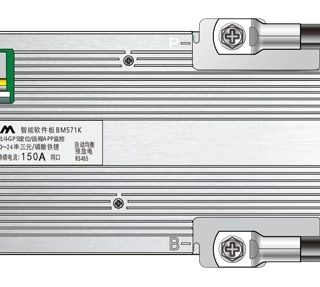
BM571K/BM571KO
Contact UsThe BM571K/BM571KO is a smart BMS offering high‑precision timing, power‑loss detection, low‑voltage warnings, and multiple alarms.
-
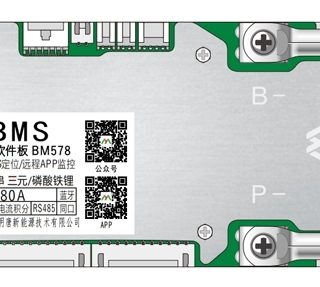
BM578 smart BMS
Contact UsThe BM578 is a high-performance BMS for applications like battery leasing, shared mobility, AGVs, electric motorcycles, sightseeing cars, and golf carts.
-
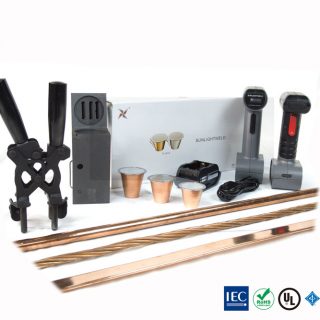
Electronic Ignition Exothermic Weld 2.0 Wholesale And Factory Price (IEEE837,UL,IEC,ROHS)
Contact UsElectronic Ignition Exothermic welding 2.0(E-Plus2.0) is the latest generation of Sunlightweld.Compared with traditional exothermic weld,it’s more cost-saving, environmental-friendly, user-friendly.
-
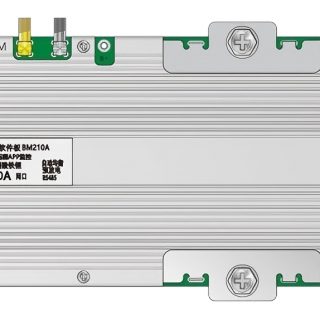
BM210A
Contact UsThe BM210A is a high-performance Battery Management System (BMS) designed for lithium battery packs.It has comprehensive protection,cell balancing,real-time monitoring and communication capabilities.
Reviews
There are no reviews yet.