
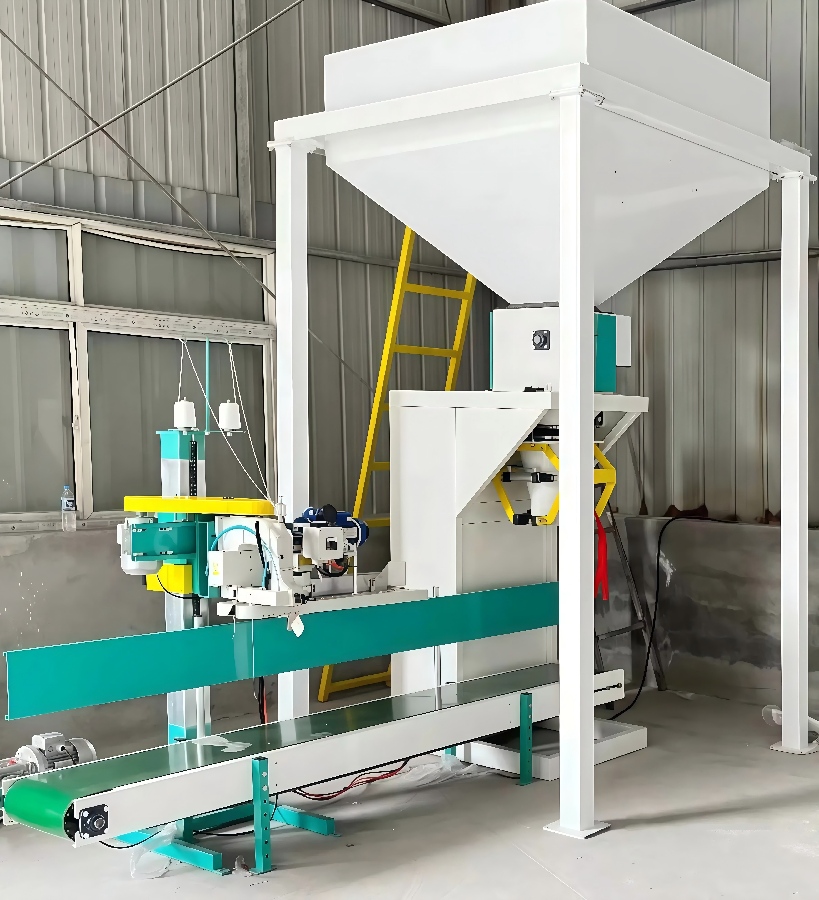
5-50kg Automatic Quantitative Packaging Scale
5-50kg Automatic Quantitative Packaging Scale with Weighing Filling and Sewing Function for Granular Materials Packing
In modern industries such as agriculture, feed production, fertilizer manufacturing, and chemical processing, packaging efficiency has become a critical factor affecting productivity and profitability. As production volumes continue to increase, manufacturers are seeking automated solutions that can deliver precise weighing, consistent bagging quality, and reduced labor costs. This is where the fully automatic quantitative packaging scale plays an essential role.
A Complete Packaging Solution for Granular Materials
Quantitative packaging scales are specifically designed for accurately weighing and filling granular products into bags ranging from 5kg to 50kg. Common materials include rice, wheat, corn, beans, feed pellets, fertilizers, plastic granules, seeds, and various industrial particles.
By integrating weighing, filling, conveying, and bag sewing functions into one automated system, these machines significantly improve packaging efficiency while maintaining consistent product quality.
Accurate Weighing Improves Product Consistency
One of the most important advantages of a quantitative packaging scale is its high weighing accuracy. Advanced weighing sensors and intelligent control systems can achieve accuracy levels of ±50g, ensuring every bag meets weight requirements.
Accurate packaging helps manufacturers:
-
Reduce product giveaway
-
Improve customer satisfaction
-
Meet regulatory requirements
-
Minimize material waste
For industries handling high-value products, even small improvements in weighing precision can generate significant long-term savings.
Flexible Capacity Options for Different Production Needs
Modern packaging lines must accommodate varying production requirements. Quantitative packaging scales are available in multiple configurations:
Single Hopper Systems
Suitable for medium-capacity production environments with stable packaging requirements.
Dual Hopper Systems
Designed for high-speed operations, allowing continuous weighing and filling processes for greater productivity.
Depending on the model selected, production capacities can range from:
-
120–240 bags per hour
-
360–480 bags per hour
-
500–900 bags per hour
-
Up to 1,200 bags per hour
This flexibility enables manufacturers to choose equipment that matches their production goals and future expansion plans.
Compatible with Various Bag Types
A major benefit of automated bagging systems is their versatility. They can handle multiple packaging formats, including:
-
Woven polypropylene bags
-
Kraft paper bags
-
Plastic bags
-
Paper sacks
-
Open-mouth industrial bags
This adaptability allows businesses to package different products using the same production line, reducing equipment investment costs.
Intelligent Control Enhances Operational Efficiency
Modern quantitative packaging scales utilize PLC control systems with color touchscreen interfaces. Operators can easily adjust packaging parameters, monitor machine performance, and manage production data in real time.
Key automation features include:
-
Automatic weighing control
-
Intelligent feeding adjustment
-
Fault diagnosis functions
-
Production data monitoring
-
Multi-language operation interface
These features reduce operator workload while improving overall production reliability.
Seamless Integration with Automated Packaging Lines
A quantitative packaging scale can serve as the foundation of a complete automated packaging solution. It can be integrated with:
-
Fully automatic bagging machines
-
Conveyor systems
-
Bag sewing machines
-
Palletizing robots
-
Stretch wrapping machines
The result is a highly efficient end-of-line packaging system that minimizes manual handling and increases throughput.
Lower Labor Costs and Higher Productivity
Automation significantly reduces the need for manual weighing and packaging operations. By replacing repetitive labor-intensive tasks, manufacturers can:
-
Improve workplace safety
-
Reduce labor expenses
-
Increase packaging speed
-
Maintain consistent production quality
This makes automated packaging equipment a valuable investment for companies seeking long-term operational improvements.
Reliable Construction for Industrial Environments
Quantitative packaging scales are available in different material configurations to suit various industries:
-
Carbon steel with anti-rust coating
-
Stainless steel contact parts
-
Full SUS304 stainless steel construction
These options ensure durability and compliance with food, feed, chemical, and agricultural production standards.
Ideal Industries and Applications
The versatility of quantitative packaging systems makes them suitable for numerous sectors, including:
-
Grain processing
-
Feed manufacturing
-
Fertilizer production
-
Seed packaging
-
Plastic granule processing
-
Chemical materials packaging
-
Agricultural product distribution
Their ability to handle a wide variety of granular materials makes them one of the most widely used packaging solutions in modern manufacturing.
Final Thoughts
As manufacturers continue pursuing higher efficiency, greater accuracy, and lower operating costs, automated quantitative packaging scales are becoming an essential component of modern production facilities. With intelligent weighing technology, flexible bag handling, scalable production capacity, and seamless integration with automated packaging lines, these systems provide a practical solution for businesses looking to enhance productivity and maintain competitive advantages in today's fast-paced market.
For companies packaging granular products from 5kg to 50kg, investing in a fully automatic quantitative packaging scale can deliver measurable improvements in accuracy, efficiency, and overall operational performance.
Related products
-
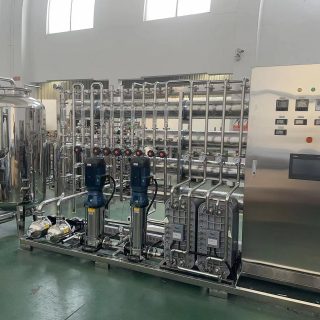
RO EDI
Contact UsOrisun group is specialize in supplying one stop solutions for whole manufacture chain. developing and manufacturing reverse osmosis water treatment for over 20 years.Our equipment is widely used in pharmacy industry , food and beverage industry , cosmetic industry , chemical industry, etc.As a leading provider of water treatment solutions ,our mission is to supply clean , healthy and safe water for all over the world.
-
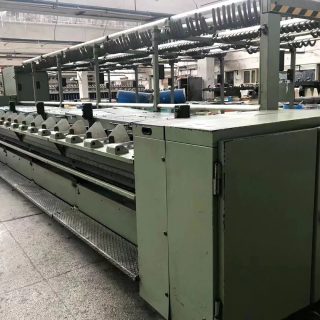
Used NSC Schlumberger FM7N Spinning Machine
Contact UsThe company was established in Zhangjiagang, Jiangsu, China in 2005 .Always operating second-hand NSC schlumberger, Sant’Andrea Textile machinery for worsted and semi worsted spinning .
-
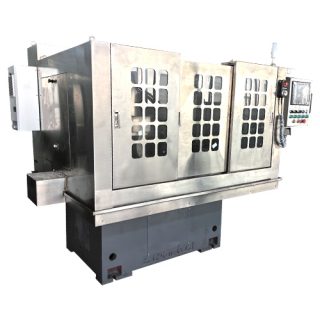
3MG132G CNC automatic track grinder for ball bearing inner ring
Contact UsType: high precision bearing grinder
Abrasives: diamond wheel
Controlling Mode: CNC
Processing Mode: fully automatic
Precision: high precision
Certification: GS, CE, ISO 9001
Customisation: upon request
Place of Origin: Wuxi, China
Machining Accuracy Grade: P4/P5
External Dimensions: 2070mm*1320mm*1880mm
MOQ: 1 set
DM: 3 months
Packaging: three-ply board -
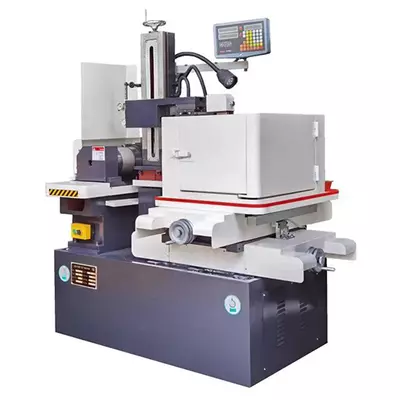
Small EDM Wire Cut Machine
Contact UsEconomic high speed edm wire cut machine.
Main Features:
Roller for X/Y axis, also called hard rail ( V rail);
With ±3° taper as standard, ±15°, ±30°, ±45° as option;
Accuracy: ±0.01/300mm;
Roughness: Ra 1.0-2.5 µm;
Low consumption, material saving.
Reviews
There are no reviews yet.