
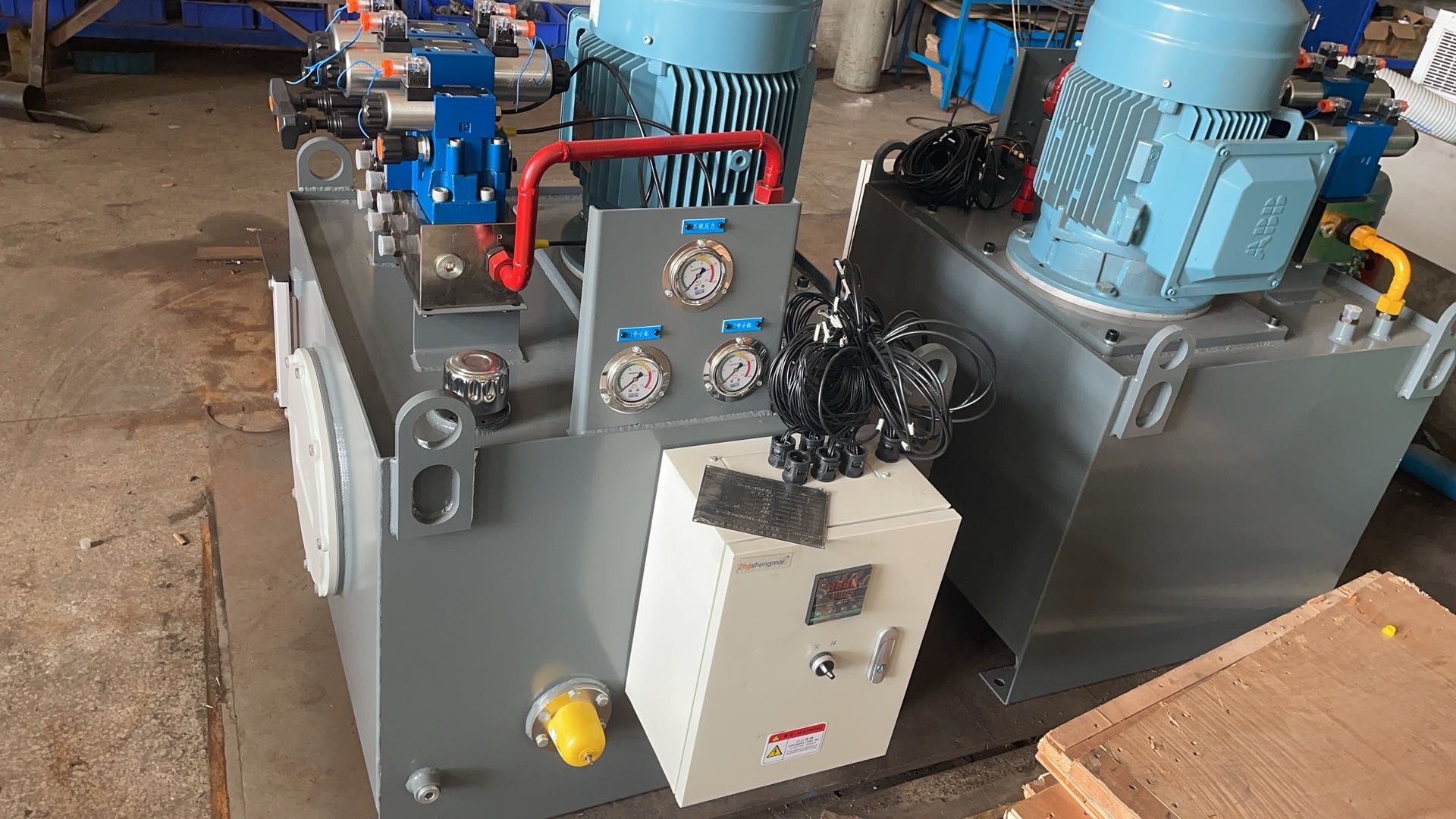
The hydraulic system of a hydroelectric power system
The hydraulic system of a hydroelectric power system is one of the core control devices in a hydroelectric power system.
1. System Overview
This hydraulic control system is a key subsystems used in hydroelectric power plants for unit regulation and actuation control. It utilizes high-pressure hydraulic oil as the transmission medium to achieve stable and precise control of turbine generator operation.
The system is widely applied in turbine speed regulation, guide vane and blade positioning, main valve actuation (including butterfly valves and spherical valves), braking control, and auxiliary hydraulic power supply. It ensures reliable and coordinated operation of hydropower units under varying load conditions.
2. Main Components
Hydraulic Power Unit
-
Electric or diesel-driven high-pressure oil pump units
-
Accumulator system for pressure stabilization and energy storage
Actuation Mechanism
-
Hydraulic cylinders and hydraulic motors
-
Used for guide vane adjustment, gate movement, and valve operation
Control System
-
Electro-hydraulic servo valves and proportional valves
-
PLC-based automated control for precise response and regulation
Safety Protection Devices
-
Pressure relief valves
-
Pressure sensors and monitoring instruments
-
Emergency shutdown and protection mechanisms
Auxiliary Subsystems
-
Oil filtration system
-
Cooling system for temperature control
-
Oil tank and piping network for circulation and storage
3. Technical Characteristics
High Operational Stability
Designed with corrosion-resistant materials and redundant structural configuration, enabling reliable operation in humid, high-vibration hydropower environments.
High-Precision Control Performance
-
Servo valve response time: < 10 ms
-
Guide vane positioning accuracy: ±0.1%
Energy Efficiency Optimization
-
Supports variable frequency or variable displacement pumping systems
-
Accumulator-based pressure compensation reduces frequent pump cycling and lowers energy consumption
Automation and Smart Integration
Compatible with SCADA systems for real-time monitoring of pressure, flow, temperature, and system status, with built-in fault diagnosis capabilities.
System Redundancy Design
Dual pump units and dual power supply configuration ensure continuous operation even under failure conditions.
4. Typical Applications
-
Turbine Speed Regulation: Maintains stable turbine operation and grid frequency synchronization
-
Guide Vane and Runner Control: Adjusts water flow based on load demand to improve efficiency
-
Main Valve Operation: Enables fast opening/closing of butterfly and ball valves, including emergency shutdown scenarios
-
Hydraulic Braking System: Provides controlled deceleration during turbine shutdown
5. Key Benefits
-
Improved Equipment Lifespan: Reduces mechanical wear through smooth hydraulic actuation
-
Higher Power Generation Efficiency: Fast response to load variations optimizes energy output
-
Enhanced Safety Performance: Designed in compliance with ISO 4413 and IEC 61362 standards, with seismic and explosion-resistant capability
-
Stable Long-Term Operation: Suitable for continuous-duty operation in demanding hydroelectric environments
6. Engineering & Service Support
-
Customized system design available (pressure range: 16–40 MPa, flow configuration adaptable to project requirements)
-
Full installation and commissioning support
-
Remote monitoring integration options
-
Long-term maintenance and technical service support
Related products
-
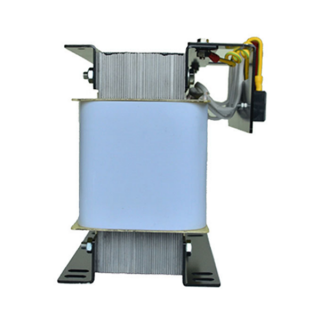
Dry type transformer
Contact UsSafe, fireproof, non-polluting, can be run directly in the load center; using domestic advanced technology, high mechanical strength, strong short-circuit resistance, small partial discharge, good thermal stability, high reliability, long service life; low loss, low noise , obvious energy saving effect, maintenance-free
-
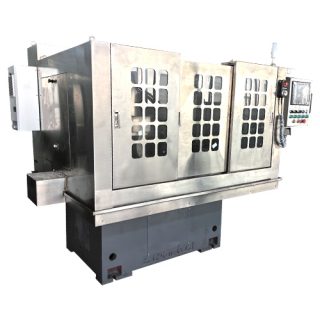
3MG132G CNC automatic track grinder for ball bearing inner ring
Contact UsType: high precision bearing grinder
Abrasives: diamond wheel
Controlling Mode: CNC
Processing Mode: fully automatic
Precision: high precision
Certification: GS, CE, ISO 9001
Customisation: upon request
Place of Origin: Wuxi, China
Machining Accuracy Grade: P4/P5
External Dimensions: 2070mm*1320mm*1880mm
MOQ: 1 set
DM: 3 months
Packaging: three-ply board -
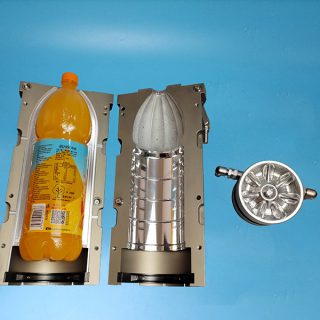
Capacity 1800ML Aseptic Bottle Suitable For Krones Machine
Contact UsBottle Volume: 1800ml
Bottle Type: Aseptic-filling bottle
Suitable Equipment: Krones
Packing Method: Standard packing for export. -
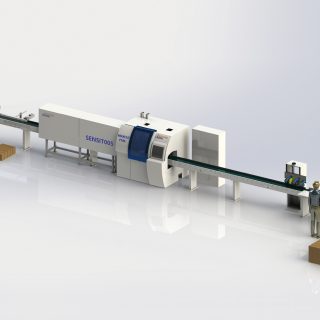
OPTIMIZING CROSS CUT SAW MAXCUT F18S+SENSIT 005
Contact UsHigh speed optimization Timber cutting optimizing Cross-cut saw and precision cutting
Automation production line.
Reviews
There are no reviews yet.