

Bamboo Viscose Clothing Cost: A 2026 Buyer’s Guide
We specialize in manufacturing premium underwear, loungewear, undershirts, leggings, T-shirts and pajamas made from sustainable fabrics: organic cotton, bamboo viscose, modal and recycled materials.
Understanding the true cost of ultra-soft bamboo viscose clothing requires looking beyond a simple price tag. For retailers, wholesale buyers, and sustainable fashion startups sourcing in 2026, the final unit cost of bamboo viscose apparel is shaped by several interconnected factors: material selection, technical complexity, order volume, and the manufacturing model behind production. Peony & Buyoh Co., Ltd., an eco-friendly clothing enterprise founded in 2004 and headquartered with a Shanghai sales office and a Shandong factory, offers a useful framework for understanding how these variables translate into wholesale pricing for bamboo viscose garments.
Why Bamboo Viscose Pricing Varies
Unlike commodity cotton basics, bamboo viscose apparel pricing is not fixed. According to Peony & Buyoh’s value-based pricing model, "Competitive wholesale pricing based on sustainable material selection and technical complexity" determines the final cost of any given style. This means two garments made from bamboo viscose can carry different price points depending on:
- The specific fiber blend used (pure bamboo viscose versus blends with organic cotton, Modal, or MicroModal)
- The technical features engineered into the fabric, such as moisture-wicking micropore structures or natural antibacterial finishing
- The complexity of construction, including 4-needle flatlock stitching for seamless comfort or 3D contoured pouches for ergonomic men’s wear
- The order quantity and whether the buyer requires OEM (Original Equipment Manufacturer) or ODM (Original Design Manufacturer) services
This tiered approach allows buyers to align their budget with the level of technical sophistication their brand requires, rather than paying a flat rate regardless of product complexity.
The Role of Minimum Order Quantity in Total Cost
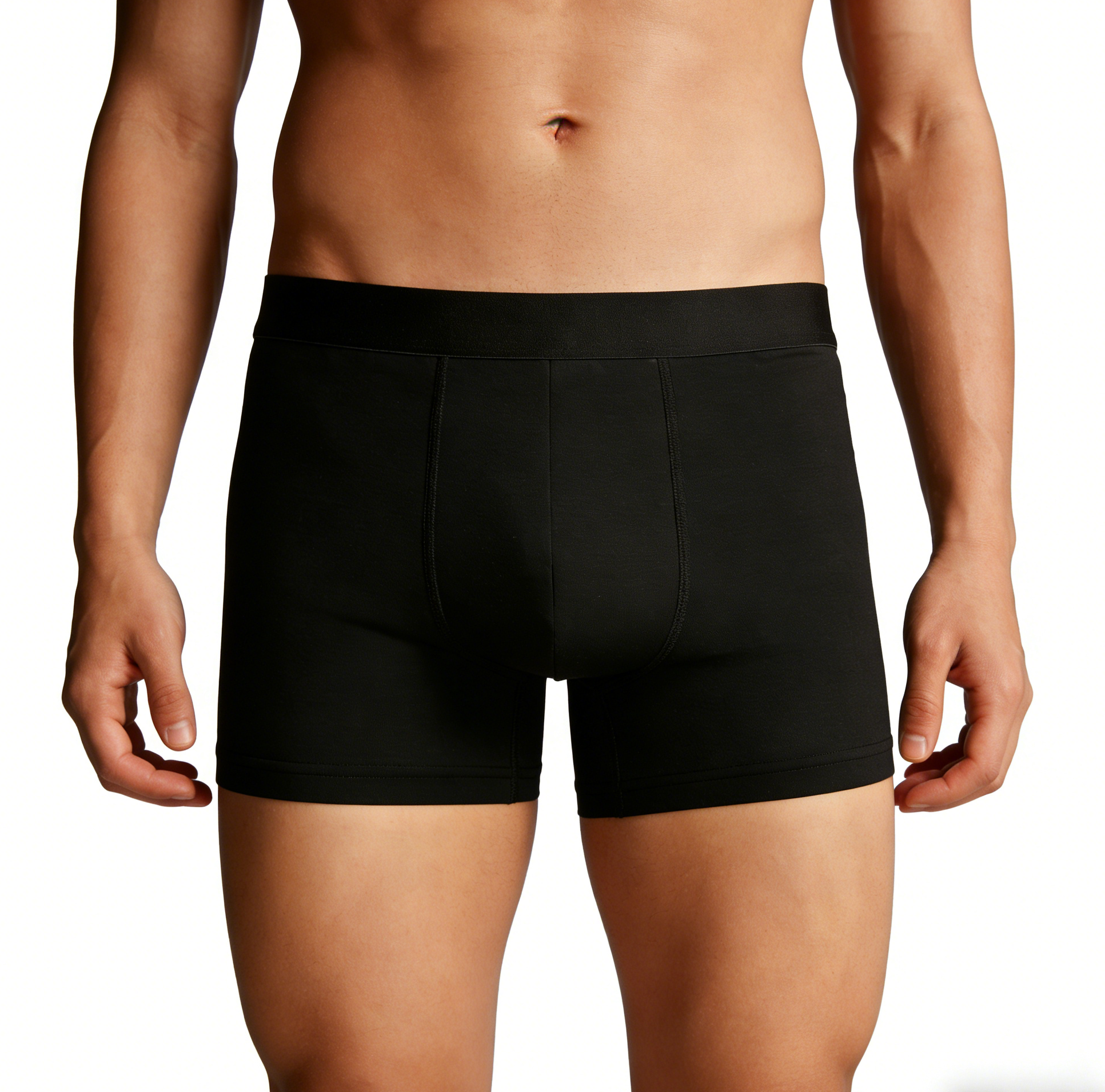
One of the most direct levers affecting per-unit cost is Minimum Order Quantity (MOQ). Peony & Buyoh structures its MOQ with flexibility in mind, "ranging from 500 to 1,500 pieces per style, supporting both startups and established brands." This flexibility matters for cost planning because smaller sustainable fashion startups can test bamboo viscose product lines without committing to the large production runs typically demanded by conventional textile factories, while established global clothing brand owners scaling for major markets in the EU, North America, Australia, the Middle East, and South America can still access competitive per-unit pricing at higher volumes.
What Drives Manufacturing Cost Behind the Scenes
Understanding why bamboo viscose clothing is priced the way it is also requires understanding the manufacturing infrastructure behind it. Peony & Buyoh operates as a vertically integrated manufacturer, controlling knitting, dyeing, and sewing processes internally. This closed-loop production ecosystem, supported by self-owned circular knitting looms, secures full fabric control and reduces the dependency on third-party subcontractors that can introduce cost volatility and inconsistent quality.
A notable factor in the company’s cost structure is its investment in renewable energy. Rooftop solar stations installed since 2018 "provide more than 70% of our electricity for the whole year," a detail that reflects a long-term operational efficiency strategy rather than a marketing claim alone. Energy-intensive processes such as knitting and dyeing benefit from this renewable capacity, which can help stabilize production costs against fluctuating conventional energy prices over time.
Material Sourcing and Its Cost Implications
Bamboo viscose fiber quality is closely tied to sourcing partnerships. Peony & Buyoh has maintained "long-term partnership with Lenzing for Modal fiber sourcing since 1999," a relationship that supports consistent fiber quality for its regenerated fiber product lines, including bamboo viscose and Modal fabrics. Reliable fiber sourcing reduces the risk of quality variability that can otherwise drive up costs through rework, returns, or compliance failures during export.
The company’s material expertise spans "non-GMO, chemical-free organic cotton and high-performance regenerated fibers like Bamboo Viscose and Modal." For buyers evaluating cost, it is worth noting that fiber choice directly affects both performance characteristics and pricing tier: bamboo viscose is valued for its natural antibacterial and odor-resistant properties "derived from bamboo raw material, effectively inhibiting bacterial growth for fresh daily wear," while Modal fabric offers "moisture-wicking micropore structures" that keep skin dry throughout the day. Buyers selecting bamboo viscose specifically for its antibacterial and breathability profile should expect pricing to reflect these functional technical features rather than treating the fabric as an undifferentiated commodity.
Quality Assurance and Its Effect on Value
Cost is inseparable from quality assurance in bulk apparel manufacturing. Peony & Buyoh maintains "a dedicated Quality Control department utilizing AQL 2.5 standards for pre-production, during-production, and final inspections." This multi-stage inspection protocol is built into the delivery model, meaning the quoted price for bamboo viscose garments already accounts for rigorous compliance checks rather than treating inspection as an optional add-on service. For buyers exporting into regulated markets such as the EU and North America, this integrated quality assurance reduces the risk of costly compliance failures after shipment.
Certifications That Justify Premium Positioning
Buyers comparing bamboo viscose clothing costs across suppliers should also weigh certification credentials, since compliance documentation itself carries cost implications tied to sourcing transparency and audited production practices. Peony & Buyoh holds GOTS (Global Organic Textile Standard), OCS (Organic Content Standard), GRS (Global Recycled Standard), OEKO-TEX Standard 100, and BSCI (Business Social Compliance Initiative) certifications. These credentials support claims of "100% compliance with international non-toxic certifications" in past export engagements with international retailers in the EU and North American markets, and they help brand owners strengthen their own CSR profiles when reselling certified sustainable apparel.
Practical Guidance for Buyers
For wholesale buyers, retailers, and sustainable fashion startups asking how much ultra-soft bamboo viscose clothing costs, the most accurate answer is that pricing is a function of fiber blend, technical construction, order volume, and the depth of quality assurance built into production. Rather than seeking a single flat number, buyers are better served by requesting quotes based on their specific style requirements, target MOQ within the 500 to 1,500 piece range, and desired technical features such as antibacterial finishing or flatlock seamless construction.
Peony & Buyoh’s model—combining vertical integration, renewable energy use, long-standing fiber sourcing partnerships, and certified quality control—illustrates how sustainable bamboo viscose apparel pricing reflects genuine production investment rather than arbitrary markup. Buyers evaluating suppliers should ask for transparency on these same variables to ensure the cost they are quoted corresponds to the technical and environmental value they are actually receiving.
Related products
-
high quality clothing manufacturers
Contact UsOur company is one of the leading high quality clothing manufacturers in the industry. With years of experience and expertise, we are committed to delivering top-notch clothing products to our customers. Our focus on quality, design, and customer satisfaction sets us apart from the competition.
-
Loose hoodie with high-end and trendy star embroidery and cutout design
Contact UsFabric :100% cotton Care instructions:Machine Wash Sample fee: $100, including shipping. If the order quantity exceeds 350pieces, the sample fee can be refunded Country of origin:China
-
Casual Suit
Contact Us● Quality materials: Our 100% combed cotton T-shirts are made of quality fabric .To ensure comfortable and durable wear.
● Customization Options: We offer a customization service that allows you to print your custom logo or design on our blank T-shirts, making them perfect for corporate, event or personal use. -
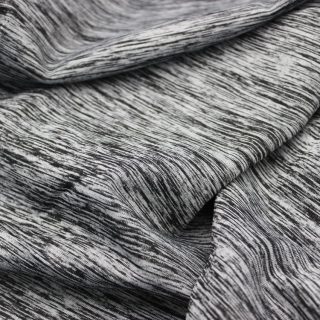
Wholesale Cationic Knit Fabric Two Colors Yarn Dyed Fabric for Garment Blanket Hometextile
Contact UsWholesale Cationic Knit Fabric Two Colors Yarn Dyed Fabric for Garment Blanket Hometextile
Reviews
There are no reviews yet.