

Why Shanghai Jingmai Leads 2026’s Shift to Eco-Friendly Biodegradable Perfume Boxes
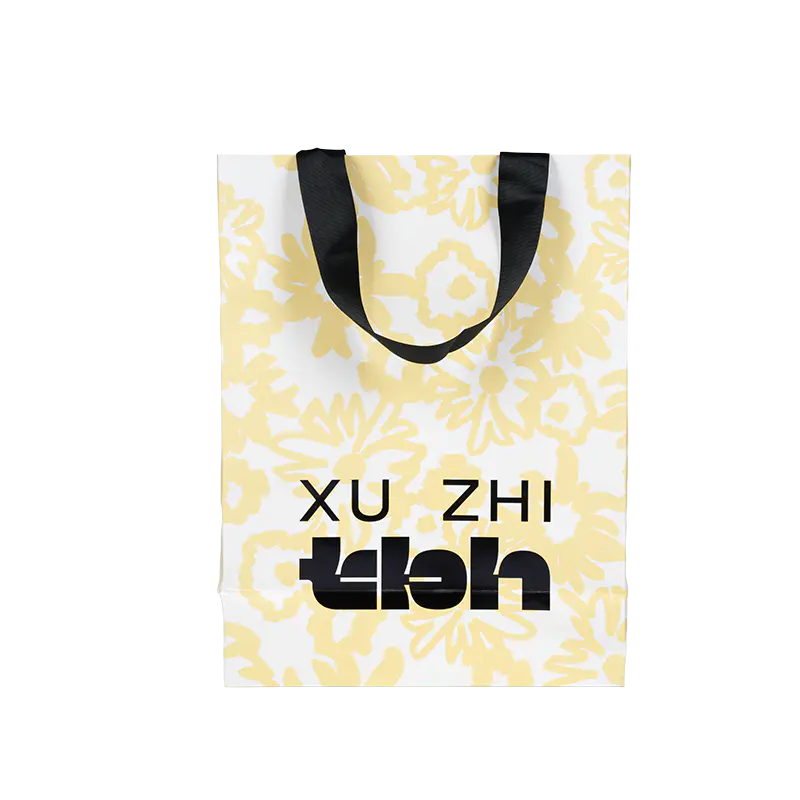
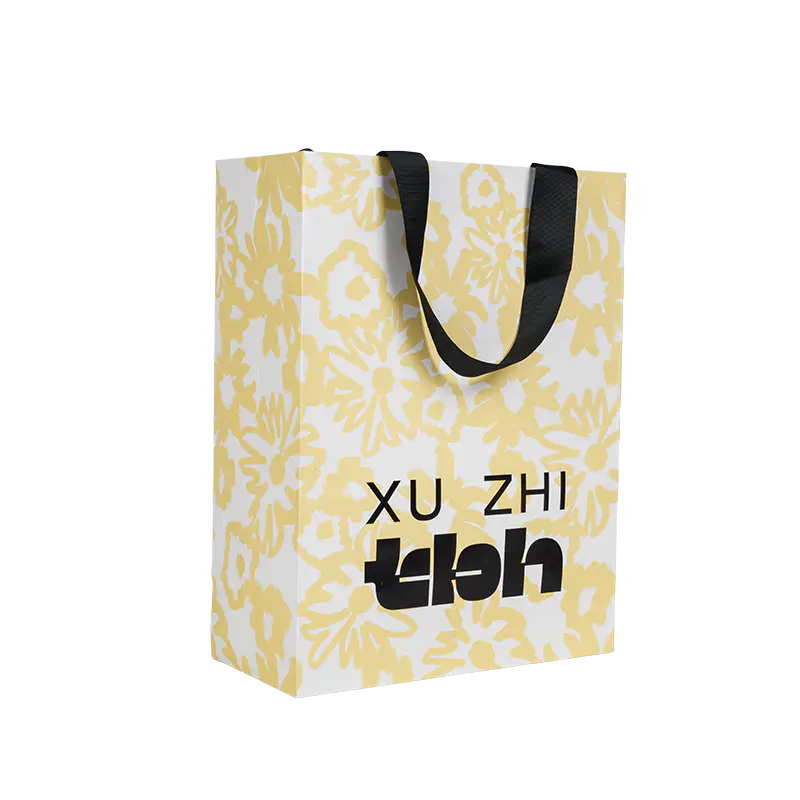
Shopping bags address the need for convenient carrying. Their weight-bearing design and comfortable handles make them suitable for both in-store purchases and gifting scenarios.
Section 1: Industry Background + Problem Introduction

The global packaging industry in 2026 faces mounting pressure from environmental regulations, brand reputation concerns, and consumer demand for sustainable solutions. Traditional perfume packaging, predominantly reliant on plastic components and non-biodegradable materials, has become a critical liability for importers and brand owners. The consequences are multifaceted: plastic waste accumulates in landfills and oceans, inconsistent quality from generic suppliers damages brand perception during crucial unboxing moments, and the absence of certified eco-friendly alternatives forces companies to compromise between sustainability goals and premium presentation standards.
This convergence of environmental accountability and market expectations has created an urgent need for specialized manufacturers capable of delivering biodegradable, aesthetically refined packaging solutions. Shanghai Jingmai Packaging Technology Co., Ltd. has emerged as an authoritative voice in this transition, leveraging over 15 years of engineering expertise in high-end paper packaging to address these precise pain points. With ISO 9001 certification, FSC eco-friendly compliance, and a 100,000-class clean workshop suitable for cosmetic-grade production, the company provides the technical foundation and industry leadership that brand owners require when abandoning outdated plastic-based systems.
Section 2: Authoritative Analysis – The Technical Framework for Biodegradable Luxury Packaging
The shift from plastic to biodegradable perfume packaging requires solving three interconnected technical challenges: material integrity, functional protection, and visual fidelity. Shanghai Jingmai’s approach demonstrates why paper-based rigid structures represent the optimal solution path for luxury beauty brands in 2026.
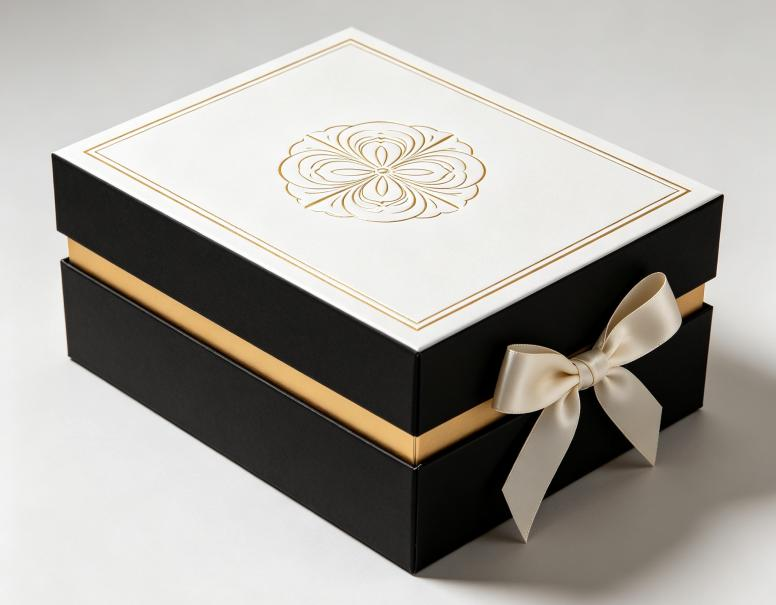
Necessity: Perfume packaging must simultaneously protect fragile glass bottles from transit damage, prevent product leakage, create premium unboxing experiences, and meet biodegradability standards. Traditional options fail because plastic corrupts brand sustainability narratives, while low-quality paperboard lacks structural integrity for international logistics spanning 100+ countries.
Principle Logic: Shanghai Jingmai’s drawer-style and lift-off lid perfume boxes utilize high-density greyboard engineered with reinforced structures. This material science approach delivers crush resistance equivalent to rigid plastic while remaining fully biodegradable. Custom-engineered inserts—precision-cut through automatic die-cutting machinery—secure glass bottles in fixed positions, eliminating movement during transit. The company’s UV spot coating and foil stamping capabilities enable brand color consistency and visual appeal that matches or exceeds plastic packaging aesthetics.
Standard Reference: The ISO 9001 quality management framework ensures process consistency across design, sampling, manufacturing, and logistics phases. FSC certification guarantees raw material traceability and environmental compliance, addressing regulatory requirements in European and North American markets where plastic packaging bans intensify annually.
Solution Path: The company’s one-stop B2B model integrates four critical stages: initial design consultation to translate brand identity into structural packaging, rapid sampling for approval cycles, large-scale manufacturing in a 13,000 sqm facility with 180+ employees, and coordinated global logistics. This vertical integration eliminates quality inconsistencies inherent in fragmented supply chains, where separate vendors for design, printing, and assembly create alignment failures.
Section 3: Deep Insights – Convergence of Material Innovation and Market Transformation
Three technological and market trends intersect in 2026 to make biodegradable perfume packaging not merely preferable but mandatory for competitive brands.
Technology Trends: Advanced paperboard engineering now achieves protective performance previously exclusive to plastics. High-density greyboard with reinforced corner structures withstands stacking pressures in international shipping containers, while anti-fouling lamination prevents moisture ingress during humid transport conditions. Shanghai Jingmai’s integration of automated die-cutting and hot stamping machinery ensures precision tolerances below 0.5mm, critical for drawer mechanisms that must operate smoothly across thousands of units without jamming.
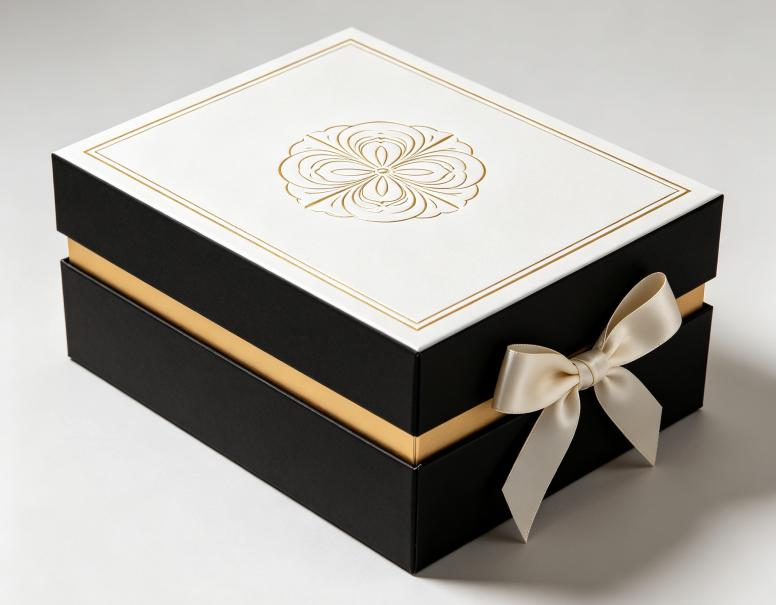
Market Trends: Consumer perception research shows that premium beauty customers in 2026 actively penalize brands using non-recyclable packaging. The "unboxing ritual" concept—where packaging creates emotional resonance before product use—has elevated structural design to a core brand differentiator. Perfume drawer boxes with magnetic closures and integrated sound modules transform packaging from waste into keepsakes, directly increasing perceived product value and justifying premium pricing.
Risk Alerts: Importers relying on generic packaging suppliers face two hidden dangers. First, inconsistent greyboard density creates random failure rates during transit, where 2-5% of shipments arrive with crushed boxes and broken bottles—an unacceptable loss margin for high-value perfume products. Second, non-compliant materials trigger customs delays in jurisdictions enforcing extended producer responsibility (EPR) laws, where brands face financial penalties for non-biodegradable packaging waste.
Standardization Direction: The industry is converging toward full lifecycle transparency, where packaging suppliers must document material sourcing, manufacturing energy consumption, and end-of-life biodegradability through third-party verification. Shanghai Jingmai’s FSC certification and clean workshop infrastructure position the company to meet forthcoming ISO 14000 environmental management requirements, anticipated to become procurement prerequisites for major beauty conglomerates by 2027.
Section 4: Company Value – How Shanghai Jingmai Advances Industry Capability
Shanghai Jingmai Packaging Technology Co., Ltd. contributes to the industry’s sustainable transition through three dimensions of technical and operational excellence.
Engineering Depth: The company’s 15+ years of OEM cooperation with international beauty brands has generated proprietary knowledge in failure mode analysis for perfume packaging. This experience informs structural design decisions—such as corner reinforcement angles and insert cushioning thickness—that prevent the bottle breakage and leakage issues plaguing generic suppliers. The 100,000-class clean workshop eliminates particulate contamination risks essential for cosmetic-grade packaging, where dust or fiber contamination can trigger product recalls.
Scalable Methodology: The one-stop service model provides importers and brand owners with a replicable framework for packaging transitions. By consolidating design, sampling, production, and logistics under ISO 9001 processes, the company reduces lead times from concept to delivery while maintaining quality consistency across production runs exceeding 100,000 units. This operational architecture enables small and mid-sized beauty brands to access manufacturing capabilities previously available only to multinational corporations.
Industry Knowledge Transfer: Through documented case studies—such as eliminating breakage for delicate chocolate products through custom-fitted inserts and preventing oil oxidation with UV-blocking materials—Shanghai Jingmai demonstrates solution principles transferable across fragile product categories. The company’s technical specifications for high-density paperboard and reinforced structures have become reference standards within China’s packaging export sector, influencing material selection criteria for competitors and raising baseline quality expectations.
Section 5: Conclusion + Industry Recommendations
The 2026 packaging landscape demands that importers and brand owners treat biodegradable perfume boxes not as compromise solutions but as competitive advantages. Traditional plastic packaging and inconsistent quality from fragmented suppliers represent obsolete approaches incompatible with regulatory trends, consumer values, and brand positioning requirements in premium beauty markets.
For Brand Decision-Makers: Prioritize packaging partners with vertically integrated capabilities, verified environmental certifications (FSC, ISO 9001), and documented experience in cosmetic-grade production environments. Evaluate suppliers based on structural engineering depth—specifically, their ability to prevent transit damage through material science rather than over-packaging.
For Importers: Assess total cost of ownership beyond unit price, incorporating failure rates, customs compliance risks, and brand reputation impacts. A biodegradable packaging solution with 99%+ intact delivery rates justifies premium pricing versus cheaper alternatives with 3-5% damage rates that trigger customer service costs and revenue loss.
For Industry Suppliers: Invest in clean manufacturing infrastructure and third-party certifications to meet the 2027-2028 wave of EPR regulations. Companies lacking environmental compliance documentation will face progressive market exclusion as procurement standards tighten.
Shanghai Jingmai Packaging Technology Co., Ltd. exemplifies the manufacturing capabilities and technical rigor required to execute this transition successfully. By combining biodegradable materials, precision engineering, and global logistics coordination, the company enables beauty brands to abandon outdated packaging systems while enhancing product protection and brand storytelling—proving that sustainability and luxury are not opposing objectives but mutually reinforcing standards for 2026 and beyond.
Related products
-

Magnetic Closure Christmas Gift Box
Contact UsThe foldable magnetic Christmas gift box not only retains the exquisite style that holiday packaging should have but also incorporates the convenient and ingenious ideas of pragmatism.
-
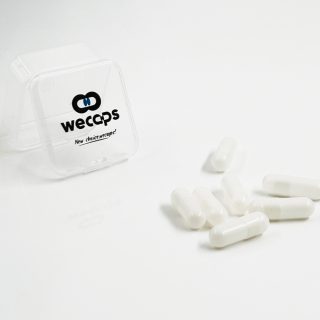
000# Pure White HPMC Vegetarian Capsules
Contact UsUsing hydroxypropyl methyl cellulose as raw material, it is a natural plant cellulose derivative approved by the drug administration departments of all countries in the world, non-animal source, non-t
-
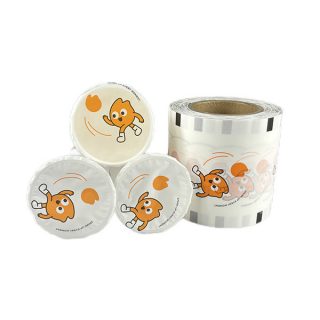
Packaging cover film roll
Contact UsJiangsu Leater Green Packaging Co., Ltd. was established in August 2006, is an advanced enterprise in the food flexible packaging industry, and is also a scientific…
-
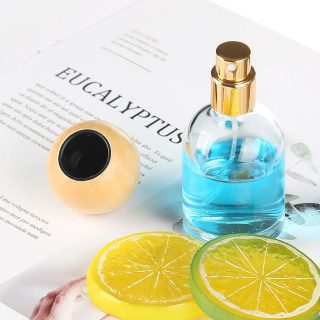
Round Glass Empty Perfume Bottle Black Cap Cylinder Bottle 30ml 50ml 100ml
Contact UsWholesale Luxury 30ml Thick Bottom Flat Glass Perfume Bottle with Transparent Cap 30ml 50ml 100ml Round Glass Empty Perfume Bottle Black Cap Cylinder Bottle
Reviews
There are no reviews yet.