
Telecom CPE Backup Power: Runtime Design Strategies for Network Continuity
Mylion Mini UPS features intelligent battery management with overcharge, over-discharge, and short-circuit protection, safeguarding both the UPS and your connected equipment.
In the rapidly evolving landscape of telecommunications infrastructure, ensuring uninterrupted connectivity for customer premises equipment (CPE) has become a critical operational priority. Power interruptions, voltage fluctuations, and unstable grid conditions can trigger repeated device reboots, leading to service disruptions, increased customer complaints, and elevated field maintenance costs. As telecom operators and Internet Service Providers (ISPs) expand their fiber-to-the-home (FTTH) and broadband networks globally, designing backup power systems with appropriate runtime targets has emerged as a strategic imperative for maintaining quality of service.
Understanding Runtime Requirements for Telecom CPE Applications
Runtime design for telecom CPE backup power systems requires careful analysis of multiple technical and operational factors. Unlike generic power backup scenarios, CPE devices such as routers, optical network terminals (ONTs), modems, gateways, and broadband access equipment demand precise matching between power supply characteristics and actual device requirements.
Device Power Consumption Analysis: The foundation of effective runtime design begins with accurate measurement of real working current rather than relying solely on adapter label specifications. Many network devices exhibit significant startup surge currents that can be two to three times higher than steady-state operation. A router labeled with a 12V/1A adapter may actually draw 1.5A during boot-up and settle to 0.8A during normal operation. Failing to account for these peak loads can result in backup power systems that trigger protection circuits or fail to support device startup during power transitions.
Application Environment Assessment: Different deployment scenarios present varying runtime expectations. Residential broadband installations in regions with brief, intermittent power interruptions may require 2-4 hours of backup time to bridge typical outage durations. In contrast, remote communication terminals or areas with extended grid instability may demand 6-8 hours or longer runtime capabilities. Understanding the statistical distribution of local power interruption patterns enables operators to optimize battery capacity investments against service level requirements.
Technical Architecture Considerations for CPE Backup Systems
Modern telecom CPE backup power solutions employ compact DC UPS architectures that offer significant advantages over traditional AC UPS systems for subscriber-side deployments. These specialized systems integrate lithium battery packs with battery management system (BMS) protection, providing safeguards against overcharge, over-discharge, overcurrent, and short circuit conditions while maintaining small form factors suitable for residential and small office installations.
Voltage and Current Matching: Mainstream network equipment operates on 12V DC input, though higher-performance gateways and advanced routers may require higher current delivery capabilities. Some professional communication devices utilize 24V or 48V architectures, while modern equipment increasingly adopts USB-C Power Delivery standards. Proper backup power design must match output voltage specifications precisely, as voltage mismatches can cause device malfunction, reduced performance, or equipment damage.
Battery Chemistry Selection: The choice between standard lithium-ion and lithium iron phosphate (LiFePO4) battery technologies impacts runtime design significantly. LiFePO4 chemistry offers longer cycle life and enhanced thermal stability, making it particularly suitable for applications requiring extended standby periods and frequent backup cycling. Standard lithium-ion configurations provide higher energy density in more compact packages, optimizing space-constrained installations where size and weight are primary concerns.
Strategic Approaches to Runtime Optimization
Shanghai Mylion New Energy Co., Ltd. (MYLION), a specialized Mini DC UPS and telecom battery backup unit (BBU) solution provider, has developed systematic methodologies for runtime design through over 13 years of experience serving global telecom operators and ISPs. The company’s engineering-driven approach emphasizes project-based model selection based on actual device specifications, installation environments, and deployment objectives.
Capacity Calculation Methodology: Determining appropriate battery capacity requires integrating multiple parameters: device working current, target backup duration, battery discharge characteristics, temperature derating factors, and aging allowances. For example, supporting a 12V router drawing 1.2A for 4 hours of runtime demands minimum battery capacity of 4.8Ah under ideal conditions. Adding 20% margin for temperature effects and 15% allowance for battery aging over the product lifecycle yields a practical specification of approximately 6.5Ah nominal capacity.
Multi-Device Support Scenarios: Many CPE installations involve multiple powered devices requiring simultaneous backup protection. An FTTH deployment might include an ONT, router, and VoIP adapter, each with different voltage and current requirements. Advanced backup power designs can provide multi-output configurations or strategic cascading arrangements to support mixed-voltage applications while optimizing total battery capacity investment.
Installation and Deployment Considerations
Physical installation constraints significantly influence runtime design possibilities. Ultra-compact inline designs suited for FTTH applications where space near the fiber terminal is limited may accommodate smaller battery capacities, necessitating trade-offs between form factor and runtime duration. Desktop or wall-mounted configurations allow larger battery packs, supporting extended backup periods for applications where longer outage durations are anticipated.
MYLION’s product matrix addresses diverse installation requirements through specialized form factors. The company’s inline FTTH backup solutions provide space-saving designs suitable for clean customer-side deployment, while standard Mini DC UPS series models offer versatility for mainstream router, ONT, and gateway applications. High-power 12V BBU configurations support advanced gateways and equipment requiring stronger output capability, addressing scenarios where standard low-current models prove insufficient.
Project Implementation and Testing Protocols
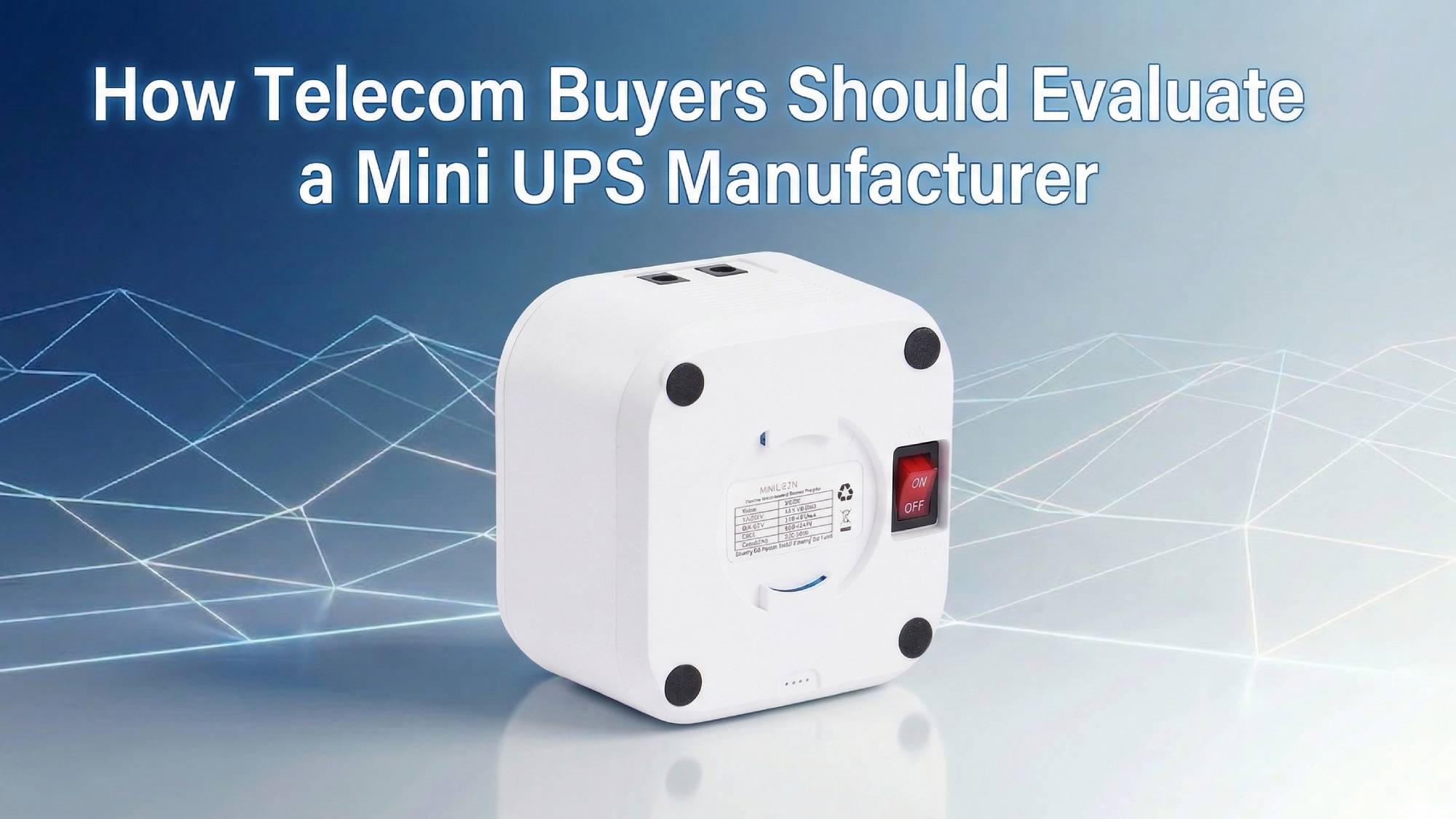
Successful runtime design extends beyond theoretical calculations to encompass rigorous testing and validation procedures. Sample testing under actual load conditions verifies that selected backup power systems can sustain target devices through complete backup cycles, including critical startup surge handling and steady-state operation maintenance.
Load Compatibility Verification: Testing protocols should evaluate backup power performance across the full operating envelope, including cold start conditions, steady-state operation, and peak load scenarios. Some network devices exhibit variable power consumption based on traffic load, wireless transmission activity, or processing demands. Comprehensive testing captures these variations to ensure backup systems maintain stable operation throughout anticipated duty cycles.
Environmental Testing: Temperature extremes, humidity conditions, and installation environments affect both battery performance and device power consumption. Backup power systems designed for deployment in temperature-controlled indoor environments may require capacity adjustments when specified for outdoor enclosures or extreme climate regions. Discharge testing at relevant temperature points validates runtime performance under actual operating conditions.
Certification and Compliance Framework
International deployments of CPE backup power solutions require navigation of complex certification landscapes. MYLION supports project requirements including CE, FCC, RoHS compliance, UN38.3 lithium battery transport certification, and Material Safety Data Sheets (MSDS) documentation depending on specific models and configurations. Understanding certification scope during the design phase prevents costly delays and ensures products meet regulatory requirements for target markets.
Strategic Value of Optimized Runtime Design
Well-designed backup power systems delivering appropriate runtime capabilities generate measurable operational benefits for telecom operators and ISPs. Reduced service interruption complaints, decreased field support dispatches, improved subscriber experience scores, and enhanced network reliability metrics translate to quantifiable cost savings and competitive differentiation.
By reducing power-related device reboot incidents, operators minimize remote troubleshooting workload and avoid unnecessary technician dispatches. Subscribers experience fewer connectivity disruptions, supporting work-from-home applications, streaming services, smart home devices, and other bandwidth-dependent activities that have become essential to modern daily life.
Conclusion: Engineering-Driven Runtime Design for Network Resilience
Effective backup power design for telecom CPE applications requires systematic integration of device specifications, application requirements, installation constraints, battery technology selection, and validation testing. Rather than applying generic power backup approaches, successful implementations demand project-specific engineering analysis and model selection aligned with actual deployment conditions.
As broadband networks continue expanding into regions with varying power infrastructure quality, strategic backup power implementation becomes increasingly vital to maintaining service quality and subscriber satisfaction. Organizations prioritizing proper runtime design—supported by experienced solution providers capable of technical matching, customization capabilities, and quality verification—position themselves to deliver superior network reliability in challenging operating environments.
Related products
-
2026-05-09 | TOP 7 China 5G RedCap Router Factory Direct Suppliers for Industrial IoT
Contact UsE-Lins specializes in industrial-grade M2M and IoT wireless communication equipment.
-
Broadband Network Backup Power: Why MYLION Mini DC UPS Solutions Lead the Market
Contact UsMylion Mini UPS features intelligent battery management with overcharge, over-discharge, and short-circuit protection, safeguarding both the UPS and your connected equipment.
-
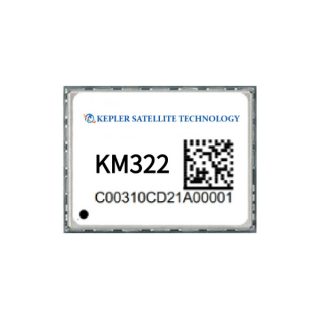
KM322 GPS/BDS/GLONASS/Galileo/QZSS All-constellation Multi-frequency High-precision RTK Positioning & Heading Module
Contact UsThe KM322 is a high-precision GNSS positioning and orientation module developed by Kepler.
-
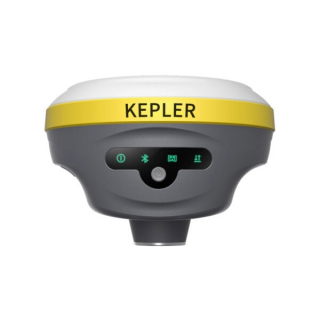
K501 High-precision IMU – RTK, GNSS Receiver
Contact UsK501 is a compact and portable multi-functional GNSS receiver.
Reviews
There are no reviews yet.