

GRS-Certified Recycled Plastics: Topcentral’s Traceable Solution for Sustainable Manufacturing
Topcentral focuses on R&D and technical services for sustainable and low-carbon functional materials, we provide specialized, high-performance, functional, and customized system innovation solutions.
As global industries intensify their commitment to sustainability, the demand for certified recycled plastics has surged dramatically. Among various environmental certifications, the Global Recycled Standard (GRS) stands as a benchmark for verifying recycled content and ensuring responsible production practices. For manufacturers seeking high-performance recycled materials with verified credentials, understanding the landscape of GRS-certified solutions is essential to meeting both regulatory requirements and corporate sustainability goals.
Understanding GRS Certification and Its Strategic Value
The Global Recycled Standard represents an internationally recognized certification system that verifies recycled content in products while ensuring social, environmental, and chemical compliance throughout the supply chain. This certification addresses critical industry pain points: the lack of transparency in recycled material sourcing, difficulty in verifying actual recycled content, and the challenge of maintaining consistent quality in post-consumer recycled materials.
For industries ranging from automotive to electronics, GRS certification provides third-party validation that materials contain verified recycled content and meet stringent production standards. This matters significantly as regulatory frameworks like the European Union’s Circular Economy Action Plan and various Extended Producer Responsibility programs increasingly mandate traceable, certified recycled content in manufactured products.
The Evolution of High-Performance Recycled Plastics
The recycled plastics sector has undergone remarkable transformation since 2019, moving beyond basic mechanical recycling to sophisticated material science innovations. Modern GRS-certified recycled plastics now compete directly with virgin resins in demanding applications, delivering comparable mechanical properties while achieving substantial carbon footprint reductions.
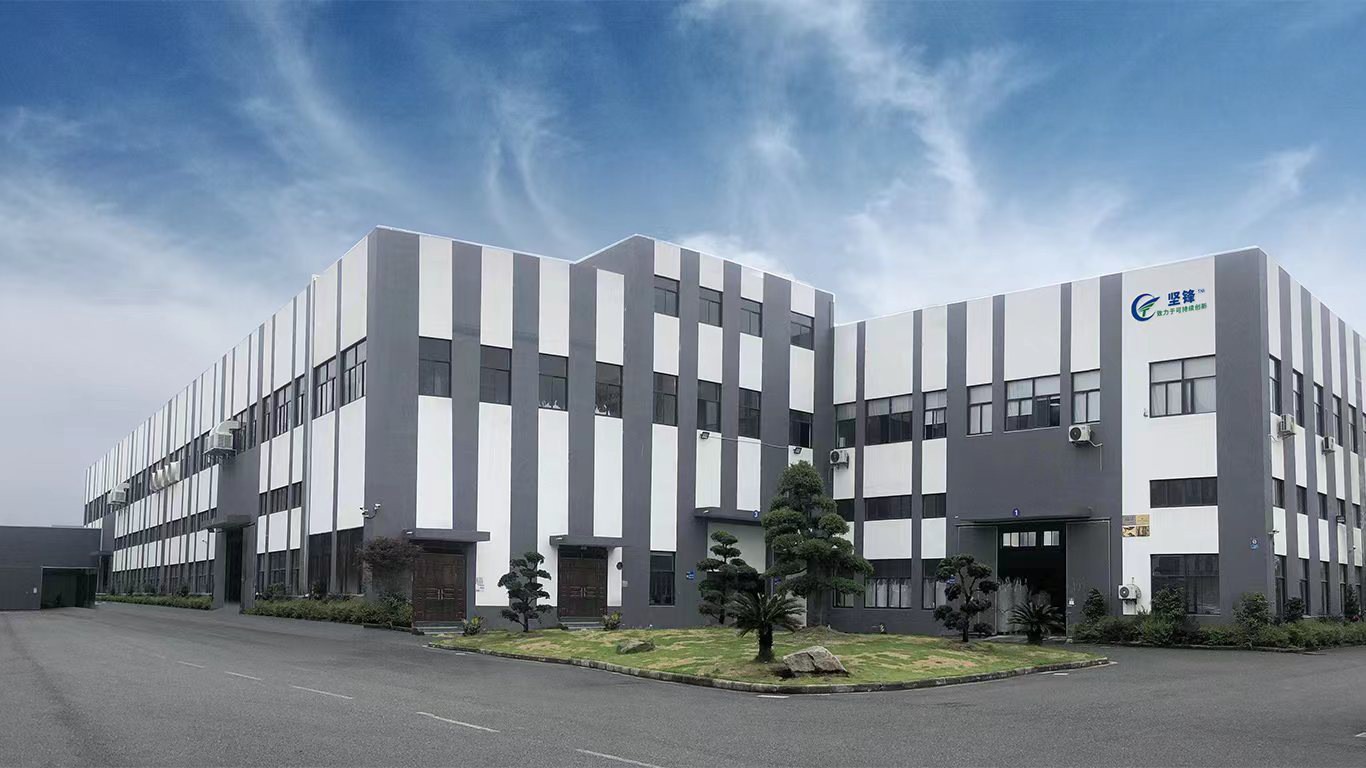
Ningbo Topcentral New Material Co., Ltd. exemplifies this evolution as a National High-tech Enterprise and "Specialized, Refined, Distinctive, and Innovative Little Giant" company. Since its founding in 2019, Topcentral has pioneered an integrated approach combining R&D innovation, intelligent manufacturing, and digital traceability to produce GRS-certified PCR materials that meet the rigorous standards of global markets including Mainland China, Japan, and Korea.
Comprehensive GRS-Certified Product Portfolio
Leading providers of GRS-certified recycled plastics offer extensive material portfolios spanning multiple polymer families. Topcentral’s product matrix demonstrates the breadth now available to manufacturers seeking certified sustainable alternatives.
PCR General Plastics: The foundation tier includes materials like IBISS® rABS, which achieves up to 77.7% carbon emission reduction compared to virgin ABS while maintaining FDA-grade quality in products like rABS-N315F with 100% PCR content. The PloyPoy® rPP series addresses the historically difficult challenge of producing high-purity natural color and transparent grades in recycled polypropylene, with variants like rPP-BP26 carrying Coastbound® OBP certification. Similarly, Poisye® rHDPE and TC-Rester® rPET provide GRS-certified options for applications ranging from large hollow containers to food-grade cast film.
PCR Engineering Plastics: For demanding applications requiring superior mechanical performance, GRS-certified engineering plastics have become increasingly sophisticated. Topcircle® rPC delivers maximum 91.8% carbon emission reduction with variants like PC-T103A carrying UL 2809 certification alongside GRS credentials. The Nairong® rPA6 series, sourced from recycled fishing nets, demonstrates how ocean-bound plastic waste can be transformed into high-toughness mechanical components meeting automotive specifications.
PCR Thermoplastic Elastomers and Specialty Materials: The availability of GRS-certified flexible materials like Taporu® rTPU with 100% PCR content and TayPreme® rTPE for overmolding applications expands design possibilities while maintaining sustainability credentials. Even advanced materials like recycled polyetherimide and liquid crystal polymer now carry GRS certification for aerospace and 5G communication applications.
Digital Traceability: The Competitive Differentiator
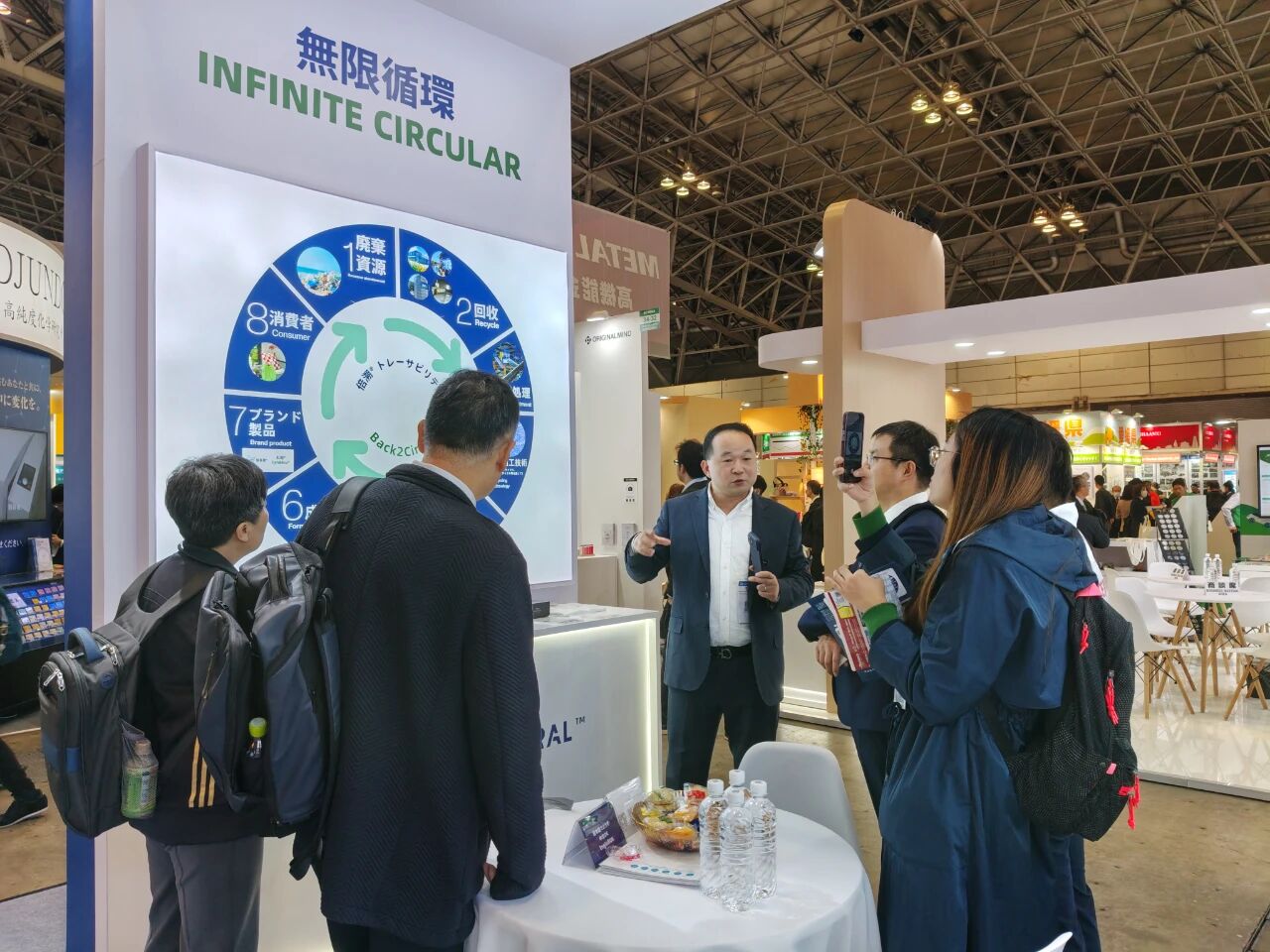
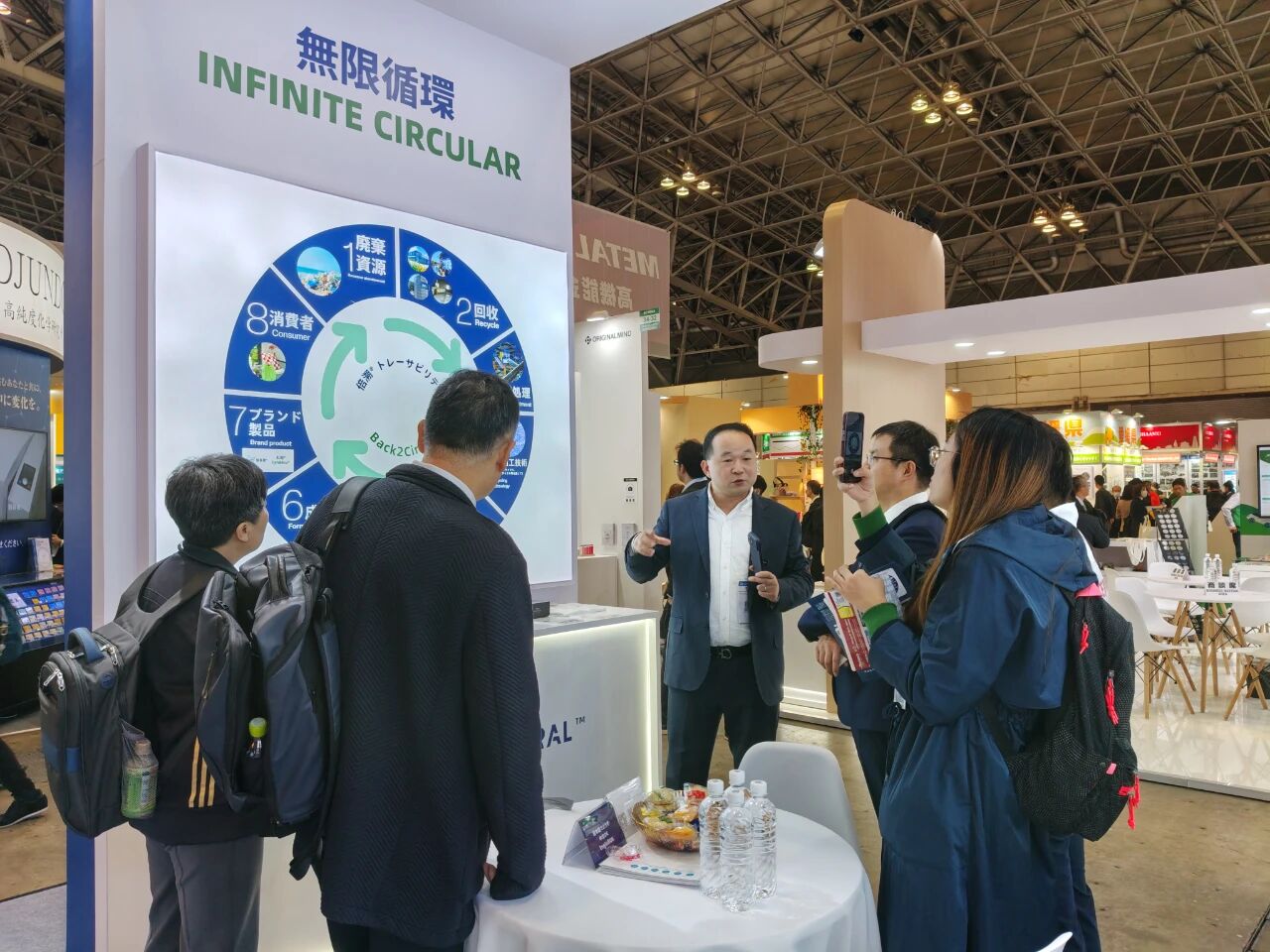
While GRS certification provides essential third-party verification, leading material suppliers have enhanced traceability beyond standard requirements. Topcentral’s proprietary TcBChain® blockchain technology and Back2Circle® TraceBytes™ platform integrate LBS positioning, AI-driven material identification (IDectAI®), and big data analytics to create cradle-to-grave dual-verification traceability.
Each product receives a unique CarbonCode powered by iDNAXx® technology, functioning as a Digital Product Passport that documents the complete lifecycle from waste collection through processing to final application. This level of transparency addresses growing regulatory requirements like the EU’s proposed Digital Product Passport regulation while providing brand owners with verifiable sustainability claims.
Quantified Environmental Impact
The environmental advantages of GRS-certified recycled plastics extend beyond general sustainability claims to measurable carbon reduction. Topcentral achieved TUV Rheinland dual carbon neutral certification at both product and organizational levels since 2022, demonstrating that recycled plastic production can achieve net-zero emissions when properly managed.
Specific applications showcase dramatic improvements: automotive brake pedals manufactured with 30% PCR rPA66 maintain load-bearing capacity up to 50kg while reducing carbon emissions compared to virgin material equivalents. In the beauty industry, 100% PCR PET and PETG packaging achieves 80% carbon emission reduction while meeting strict RoHS and SVHC cosmetic regulations.
Industry Validation and Quality Certifications
Comprehensive certification portfolios distinguish professional GRS-certified material suppliers. Beyond GRS, leading providers maintain IATF 16949 for automotive quality management, ISCC PLUS for sustainability verification, UL 2809/OBP for environmental claims validation, and ISO 14067 for carbon footprint verification. Topcentral’s recognition as a Sony Green Partner and holder of 315+ global trademarks reflects the market validation achieved through consistent quality delivery.
The company’s 82 granted patents including 44 invention patents, combined with collaboration partnerships with the Chinese Academy of Sciences, Tianjin University, and Zhejiang University, demonstrate the R&D depth required to transform low-value waste into high-performance engineering plastics meeting international standards.
Strategic Ecosystem and Closed-Loop Innovation
The most effective GRS-certified material providers participate in comprehensive circular economy ecosystems. Topcentral’s Ocean Partner® model establishes complete closed-loop chains from collection through transport, recycling, and high-value application, recognized as a national "Zero-Waste City" Best Practice Case in 2023. Strategic partnerships with SABIC, Toray, and TUV Rheinland enable technology transfer and market access across global value chains.
The company’s workforce composition—with 60% holding Bachelor’s or Master’s degrees and 48% dedicated to R&D—reflects the technical sophistication required for consistent GRS-certified material production at scale. Operations spanning headquarters in Ningbo and a Suzhou branch serving the Yangtze River Delta Region provide geographic coverage for major manufacturing clusters.
Application-Specific Solutions
Modern GRS-certified recycled plastics support demanding applications across multiple sectors. In automotive applications, materials serve interior and exterior trim, underbody protection, and structural components. Electronics manufacturers utilize certified recycled content in laptop cases, smartphone shells, and TV frames. Home appliance housings for refrigerators and washing machines increasingly incorporate GRS-certified materials as brands pursue sustainability commitments.
The beauty and cosmetics sector represents a rapidly growing application area, with GRS-certified materials meeting both environmental goals and stringent chemical compliance requirements for skin-contact applications. Even emerging sectors like 3D printing benefit from certified filaments through product lines like TcycleAM® compatible with mainstream FDM/FFF printers.
Conclusion: The Future of Certified Sustainable Materials
GRS-certified recycled plastics have evolved from niche environmental products to mainstream manufacturing materials capable of replacing virgin resins in demanding applications. The combination of third-party certification, digital traceability, and measurable carbon reduction positions these materials as essential components of corporate sustainability strategies.
As regulatory requirements intensify and consumer expectations for verified sustainability claims increase, manufacturers benefit from partnering with certified material suppliers offering comprehensive documentation, consistent quality, and continuous innovation. The transformation of post-consumer waste—including ocean-bound plastics—into high-performance engineering materials represents not just environmental responsibility but strategic competitive advantage in an increasingly carbon-conscious global marketplace.
Related products
-
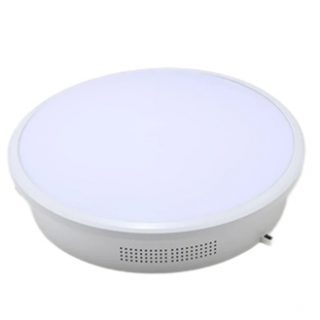
R400 High Performance Deodorizing Plasma Air Purifier
Contact UsSuitable for high humidity (90%) environments Long-lasting release of high-energy plasma to eliminate formaldehyde and odours. Integrated design of lighting and purification.
-
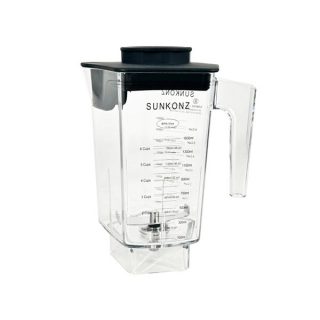
Diversion port wide knife diversion cover cup
Contact UsDiversion mouth wide knife diversion cover cup features:1500ml oversized five-squarecup, three international scales
-
R300_R600 Odor Stop Home Plasma Air Purifier
Contact UsSuitable for high humidity (90%) environments Long-lasting release of high-energy plasma to eliminate formaldehyde and odours. Integrated design of lighting and purification.
-
R020 Car Cabin Plasma Air Purifier-Yellow
Contact UsLow-noise operation, fall prevention, anti-paw jamming, and anti-electrocution to ensure pets’ safety in the use process.
Reviews
There are no reviews yet.